


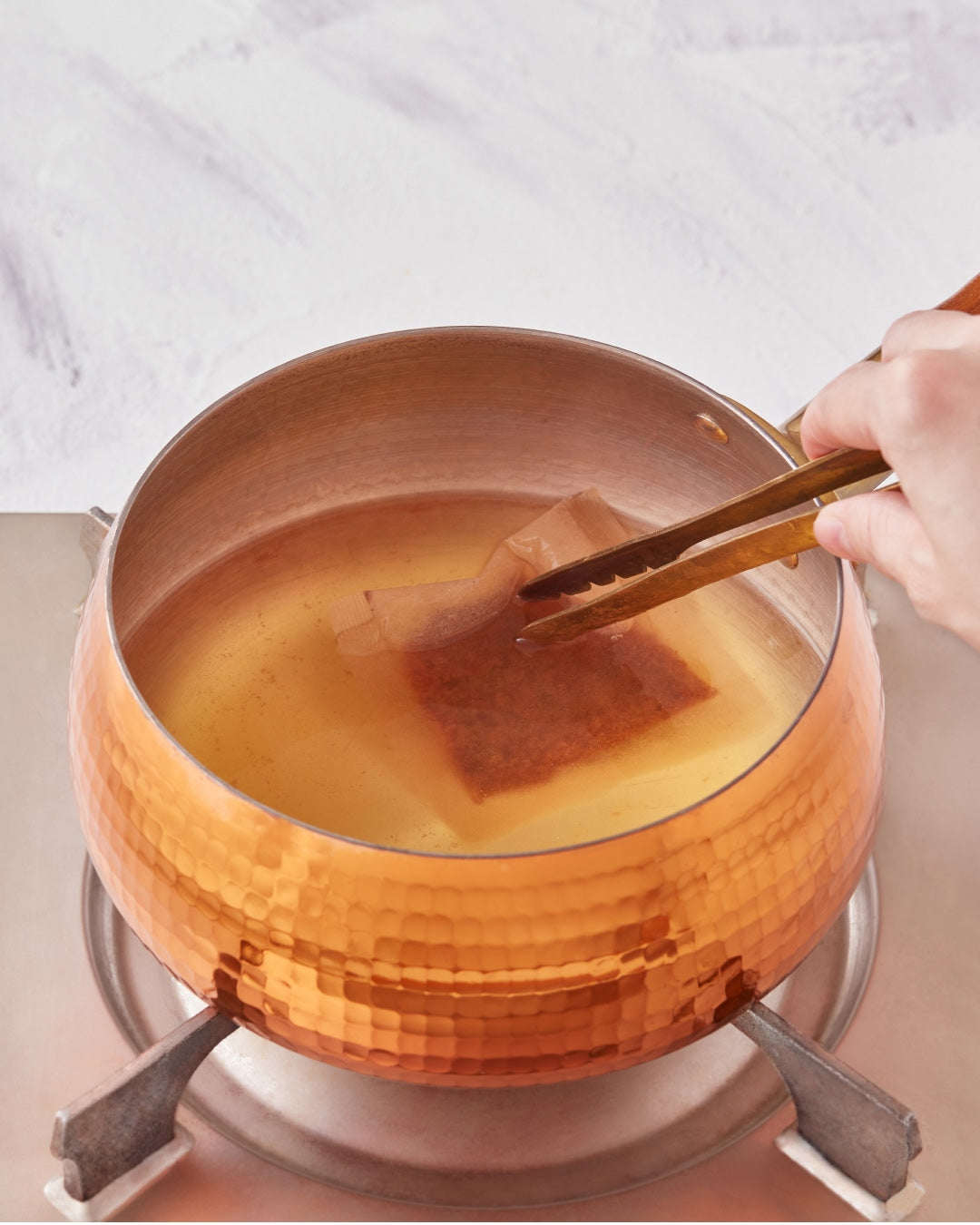
 Making Authentic Dashi Broth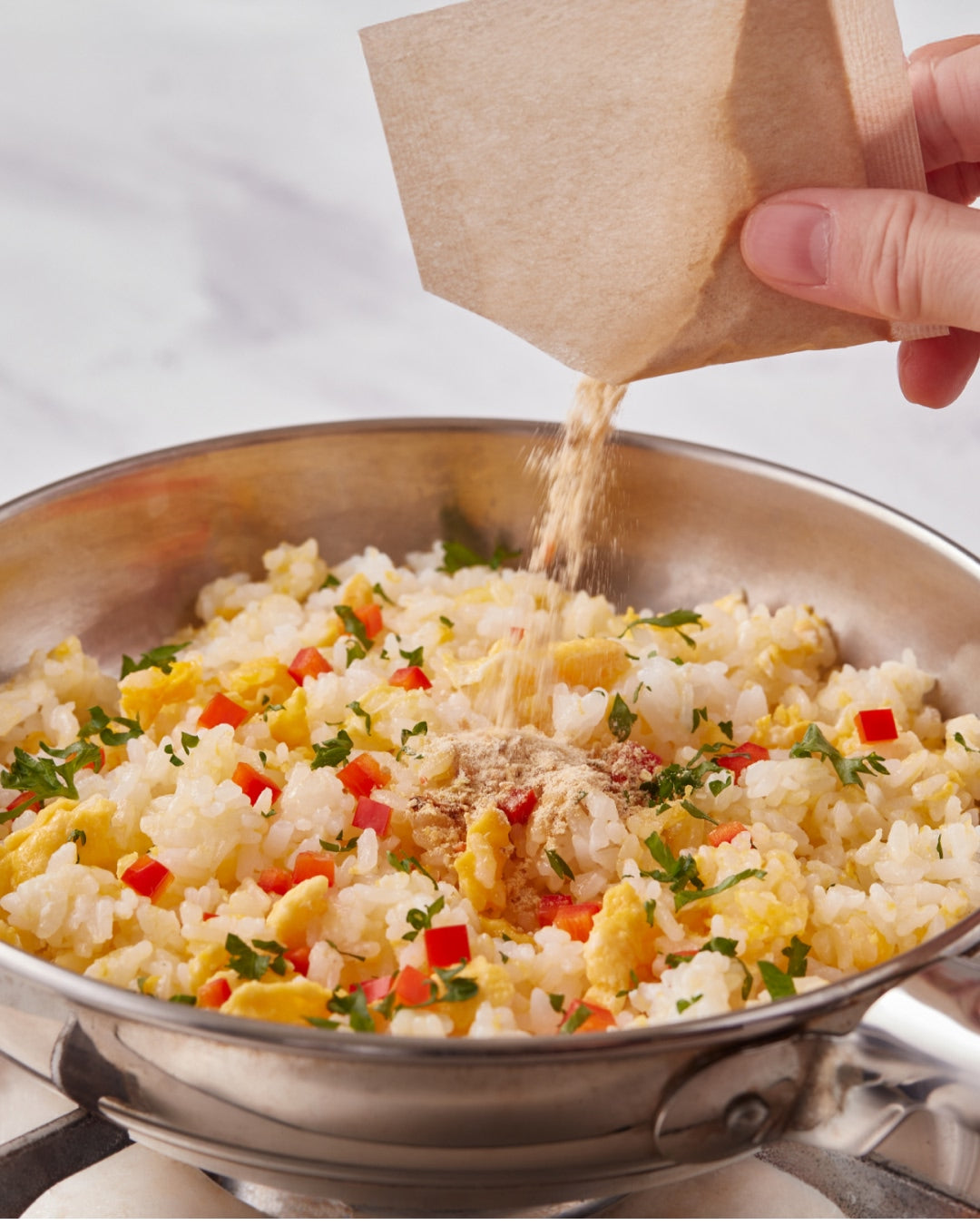
 Cooking with Dashi as a Seasoning











Hello, everyone. I'm Fukurokouji Tome.
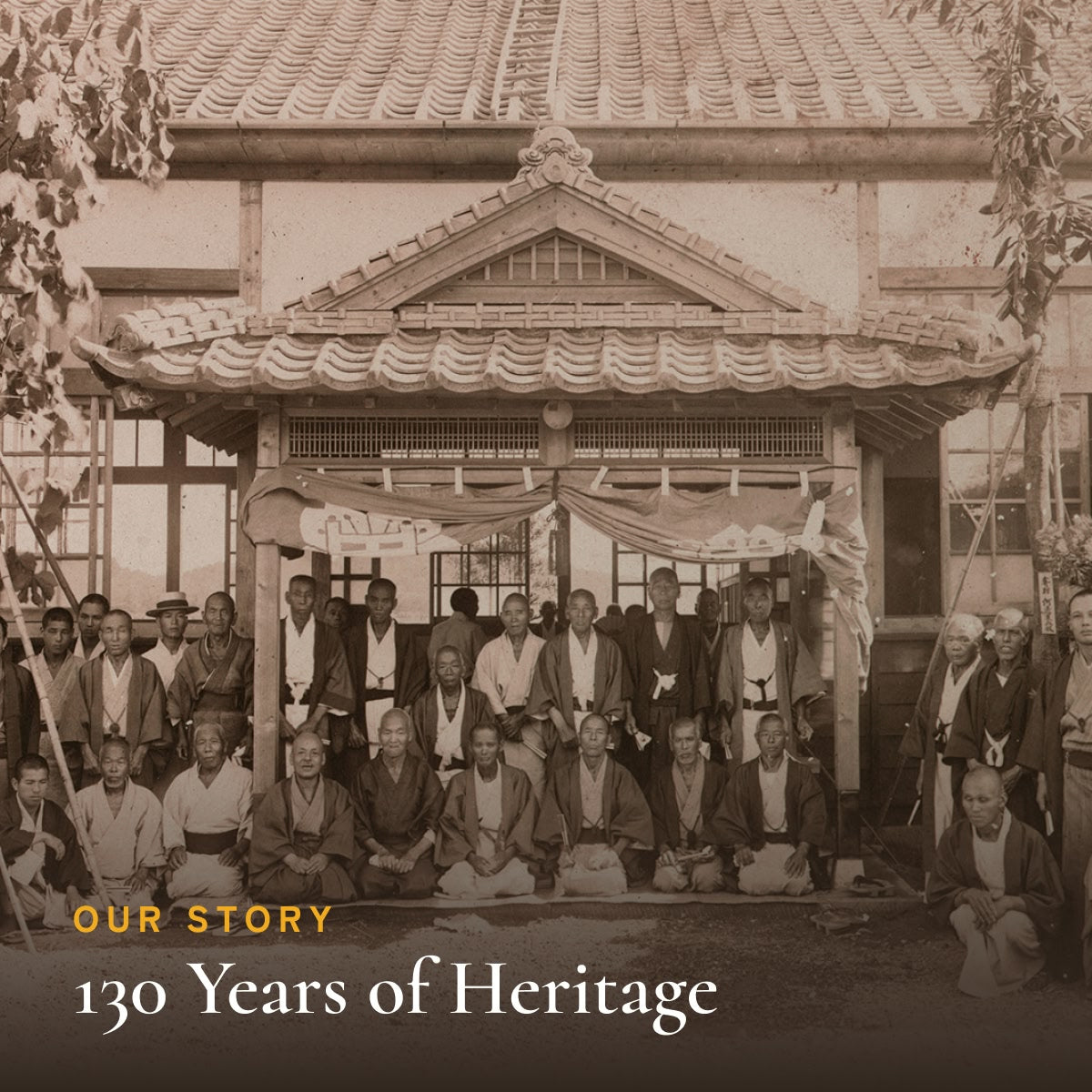
Many people have supported Kubara Honke, the company behind Kayanoya, on its journey from a small soy sauce maker to the company it is today. We'd like to share just a few of their stories with you.
Our story begins with a small miracle brought about by Tetsuji Kawabe, the president of Kubara Honke.
Looking back, Kayanoya has been shaped by a series of remarkable moments that could almost be called miracles. This time, I'd like to tell the story behind the miracle of Nama Shichimi.
At Kayanoya, we are committed to preserving and passing on Japan's traditional food culture.
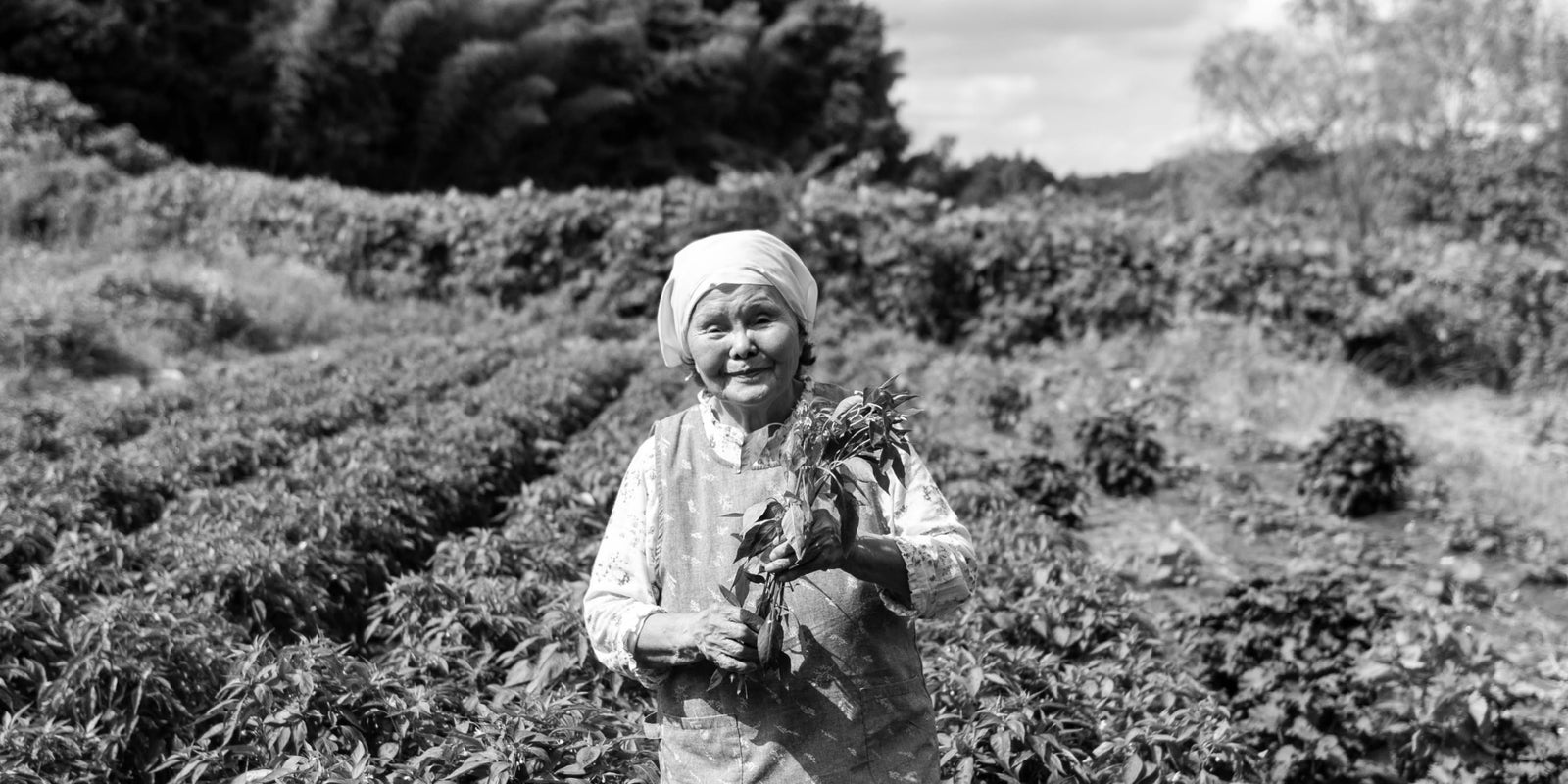
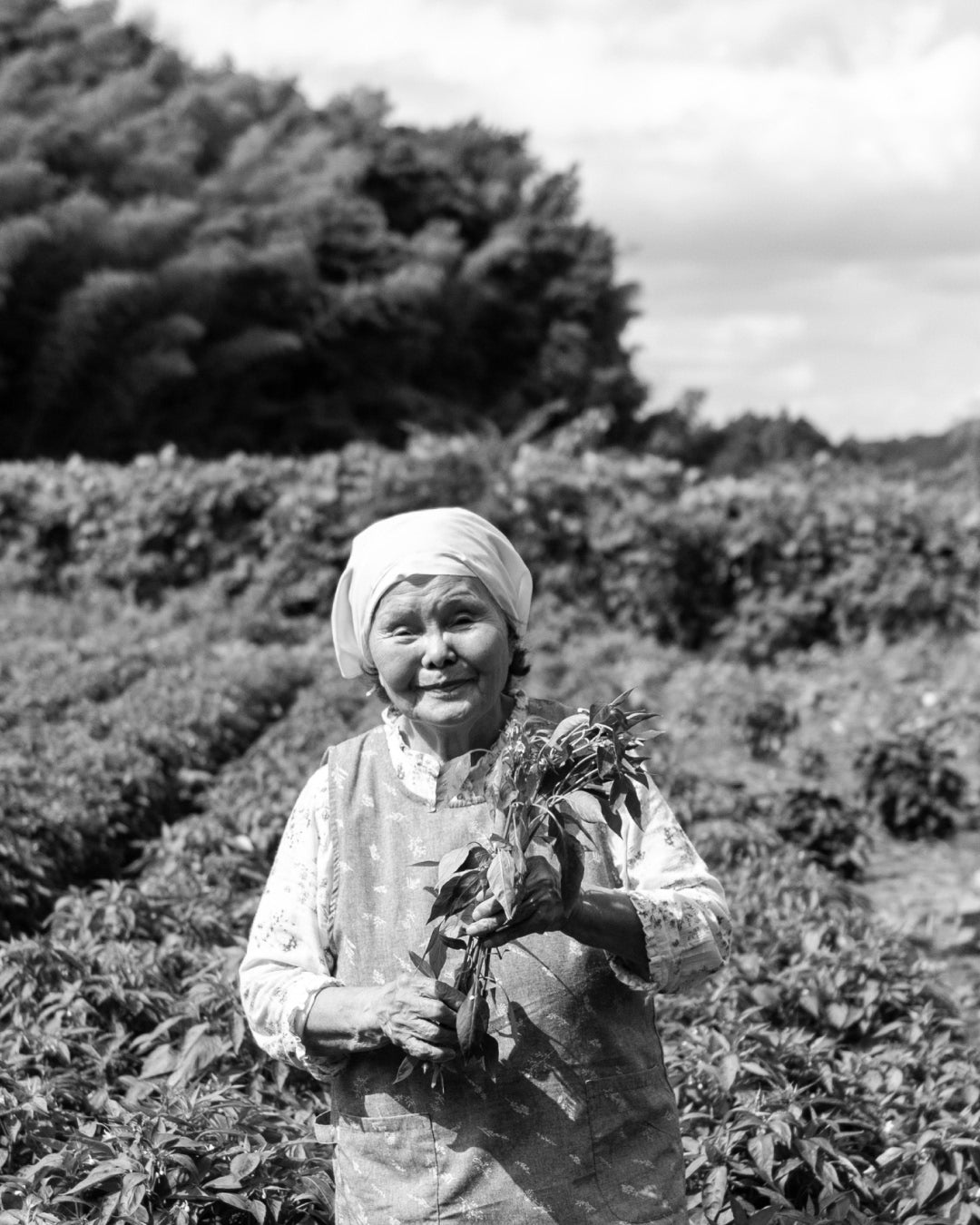
 At 92, she's as active as ever, and brightens everyone around her.
One day in 2002, while reading the evening newspaper, Tetsuji Kawabe came across an article about an elderly woman who worked as a farmer.
Around that time, Kawabe had been deeply inspired by the Slow Food movement he encountered in Italy. When he read the article, one thought immediately came to mind: "She truly represents the spirit of Slow Food." The woman was Michiyo Nagano. She was 71 years old at the time.
The article was written by Hiroshi Sato, a reporter with the Chikuho Bureau of The Nishinippon Shimbun, a regional newspaper in western Japan.
Reflecting on his first meeting with Ms. Nagano a year earlier, he recalled:
"Her insight, culinary sense, character, and the weight of her words, shaped by a lifetime of experience... I knew immediately that she was someone truly extraordinary."
He went on to say, "I knew I had to share her story with the world."
 The article struck a chord with many readers. One woman's life story touched countless hearts.
There was still so much more to learn from the wisdom she had gained over a lifetime.
Kawabe felt the same way. "She was no ordinary person," he recalled. "She had the wisdom we needed—someone we should learn from."
Thinking that they should seek her advice, he immediately reached out to Kazuhiko Aramaki, who was overseeing Kayanoya.
"This was before Kayanoya Restaurant had even opened. We immediately visited Grandma Nagano with the members of the Slow Foods Department (later renamed Biden)," Aramaki recalls.
(That's right—we call her "Grandma Nagano" at Kubara Honke, out of both respect and affection.)
While helping with the farm work, the team enjoyed home-cooked meals prepared with vegetables fresh from the fields. They were deeply impressed by their simple, honest flavors, and before long, regular visits to learn from Grandma Nagano had begun.

Japanese Wisdom and Thoughtfulness in Every Detail

Fresh rakkyo (a crisp, mildly sweet Japanese bulb vegetable) simmered with baby sardines. A simple dish that's quick to prepare.
Grandma Nagano was born into a farming family in Uchino, Chikuzen—a village in Iizuka, Fukuoka, often called "the heart of Fukuoka." After losing her mother at the age of 15, shortly after the war, she took on the responsibility of preparing meals for her entire family.
After marrying at the age of 23, she became the wife of the heir to the family's main household, a role that involved overseeing local rituals and seasonal events. For these occasions, she prepared dishes with seasonal ingredients and wild plants found close to home, drawing on the wisdom and thoughtful care rooted in Japanese tradition.
She also had an enterprising spirit. At the age of 60, she founded the Nonomi-kai with women from her community, aiming to revitalize the region through food. Together, they also began developing locally made food products.
The group's first product, Handmade Oil-Free Yuzu Dressing, won the Silver Prize for Excellence at the Fukuoka Prefecture Processed Agricultural Products Competition. They went on to develop a series of new products, including Red Koji (a fermented seasoning made with rice koji and red chili peppers) and Pepper Miso. Many of these products remain popular to this day.
Nama Shichimi: An Unexpected Hit

Miso soup made from homemade miso, served with homemade yuzu kosho(a paste made with fresh yuzu, chili peppers, and salt).
Grandma Nagano generously shared the wisdom she had cultivated over a lifetime. Little by little, the staff of Kayanoya's Slow Foods Department learned from her.
They planted chili peppers and learned how to make yuzu kosho. They also grew Italian tomato seedlings to make ketchup and sauces. Through countless trials like these, they gradually deepened their understanding.
Everything was done on a very small scale. They hand-crafted green, red, and yellow yuzu kosho using homegrown chili peppers and the methods Grandma Nagano had taught them.
"Our ambitions were high, but everything was handmade, so we could only produce a limited number," Aramaki recalls.

It was then that one of the team members came up with an intriguing idea for a new product.
Grandma Nagano's field was home to an astonishingly large sansho tree (Japanese pepper tree), whose berries were wonderfully fragrant.
One of the team members was especially fond of sansho and wanted to make the most of its wonderful aroma.
"Kyoto-style shichimi, a traditional Japanese seven-spice blend, contains dried sansho. What if we made a paste shichimi, like yuzu kosho, to preserve the vibrant aroma of fresh sansho? And instead of using the dried citrus peel traditionally found in shichimi, we could use fresh yuzu." It was a remarkably simple idea.
 A sansho tree laden with berries. Pinch one gently between your fingers, and its wonderful aroma comes through.
This paste-style shichimi was named Nama Shichimi ("nama" means "fresh" in Japanese). It was made with seven ingredients: ginger, black sesame seeds, yuzu, homegrown chili peppers, sea salt, aonori seaweed, and hand-picked sansho berries.
"We took great care in selecting high-quality ingredients," Aramaki says.
At the time, crunchy chili oil (a condiment meant to be enjoyed as a topping rather than just a seasoning) was all the rage.
As soon as Nama Shichimi was released, it unexpectedly became a hit as the next crunchy chili oil. It became popular as a topping for rice, rather than simply as a condiment for miso soup, udon, or hot pot—the way traditional shichimi is often used.
Since then, it has become a longtime favorite, evolving through small refinements over the years.

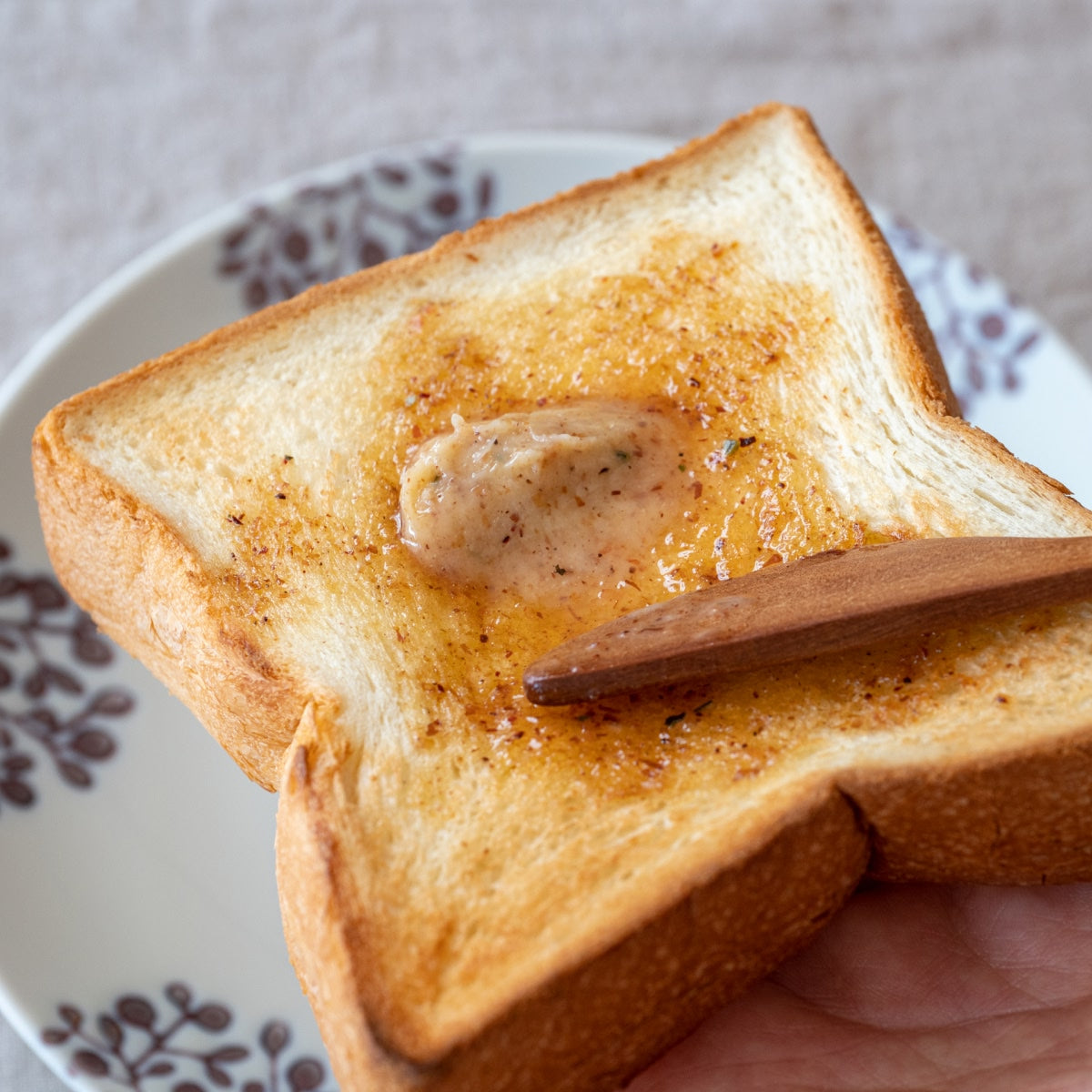
A little jar that makes a big difference. It brings out the best in any dish and adds an extra layer of deliciousness.
A versatile condiment you'll want to keep in every kitchen.
When Kayanoya Restaurant opened in 2005, Tetsuji Kawabe was looking for a signature dish—something truly memorable that would captivate guests as part of the course menu. Then he had an idea: why not include one of Grandma Nagano's dishes?
"The result was a dish made with local ingredients—simple, yet deeply satisfying and comforting," Aramaki recalls.
Grandma Nagano taught the Kayanoya staff how to cook, and her farm-style dishes rooted in local traditions quickly became favorites among the team.
Her stories were always a joy to listen to—flowing effortlessly and filled with practical wisdom. Through her, we have been able to preserve and pass on the traditional food culture that Kawabe long hoped to protect.
Our relationship with Grandma Nagano continues to this day. In her field, the sansho berries that inspired the idea for Nama Shichimi still grow in abundance.
Dishes That Bring Out the Best in Every Ingredient
Every Bite Is Delicious

Grandma Nagano is always on the move.
The field was meticulously tended, and the chili peppers stood proudly upright, thriving.
"Just a little longer until they're ready," Grandma Nagano said. She walked briskly through the field—it was hard to believe she was 92 years old.
After working up a sweat under the unseasonably blazing sun, the Kayanoya team gathered to enjoy the lunch Grandma Nagano had prepared.
Before long, an abundant lunch came together: kaki-no-ha sushi(seasoned rice wrapped in fragrant persimmon leaves, a traditional festival dish), vegetable sushi topped with tomatoes and cucumbers, a rare dish of simmered rakkyo with baby sardines, remarkably light and fluffy, deep-fried eggplant in dashi broth, homemade konnyaku (a firm jelly made from konjac root), and miso soup with daikon radish, mushrooms, and young Yatsugashira taro (a traditional Japanese variety of taro).
 Soy-Braised Baby Potatoes

Freshly steamed rice mixed with stir-fried takana pickles (pickled mustard greens).

Deep-fried eggplant in dashi broth. A perfect companion to a bowl of steamed rice.
Every dish is nourishing in a way that feels good for the body, with flavors deeply rooted in the local land and traditions.
"My cooking is based on using whatever ingredients are available at the time," Grandma Nagano says. "In summer, tomatoes and cucumbers grow in abundance, so I use them again and again.
I might make eight or even ten different dishes with them. That's the wisdom—finding different ways to make the most of the same ingredients."
As we enjoyed her wonderful cooking, listened to her deeply insightful stories, and experienced the warmth of her generous spirit, we were reminded of the profound influence Grandma Nagano has had on Kayanoya's approach to food.