Special Interview
Fukuoka’s Flavors, Through the Eyes of a Chef.
Chef Isao Yamada - Yamada, NY
Kayanoya was born in Fukuoka. So was Chef Isao Yamada, the chef behind the Michelin-starred kaiseki restaurant Yamada in New York.
In this conversation, we asked Chef Yamada about the food culture that shaped his craft, the role of ingredients and dashi in Japanese cuisine, and how umami may continue to evolve in American kitchens.
A Culinary Gateway Shaped by Nature and Exchange
Fukuoka has long been known for a food culture that feels both generous and deeply rooted in place. Everyday dishes and regional specialties alike reflect the character of the land: fresh seafood, seasonal produce, and ingredients shaped by the surrounding sea and mountains.
Its history as a gateway to Asia has also given Fukuoka a sense of openness. Local flavors have developed through exchange, adapting outside influences while remaining closely tied to the region’s own ingredients and traditions.
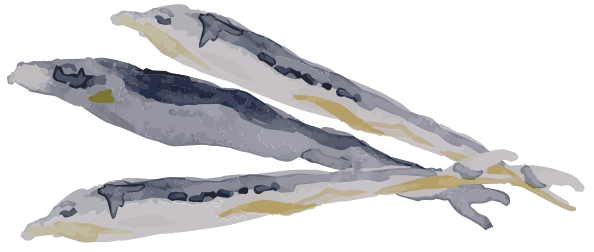
From ago dashi and Yame tea to tonkotsu ramen, mizutaki, and mentaiko, Fukuoka’s flavors carry a balance of familiarity, depth, and regional identity.
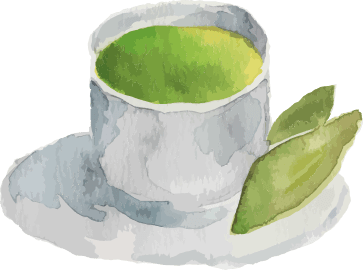
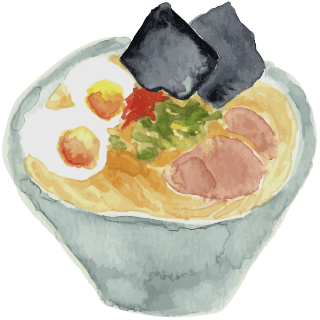
For both Kayanoya and Chef Isao Yamada, this food culture is more than a backdrop — it is a foundation for thinking about flavor.
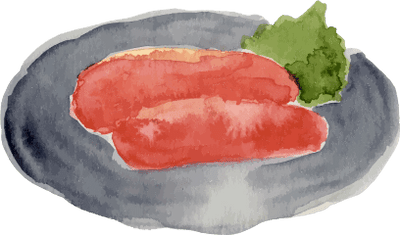
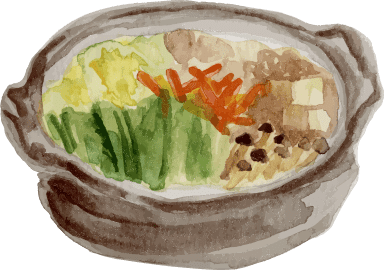
A Vibrant Hub in Kyushu
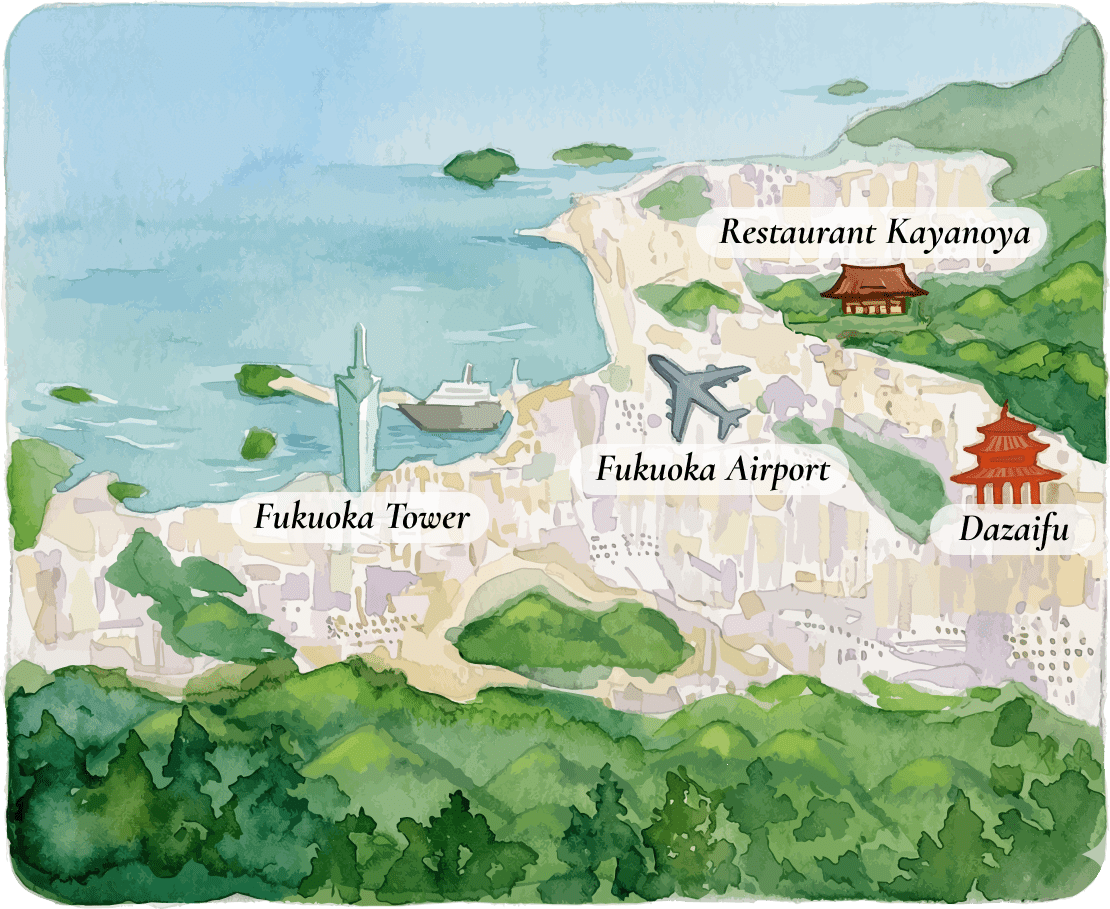
Fukuoka sits on the northern coast of Kyushu, facing the Genkai Sea. The city is known for its compact sense of access, with the airport, coastline, historic sites, and surrounding nature all close to one another.
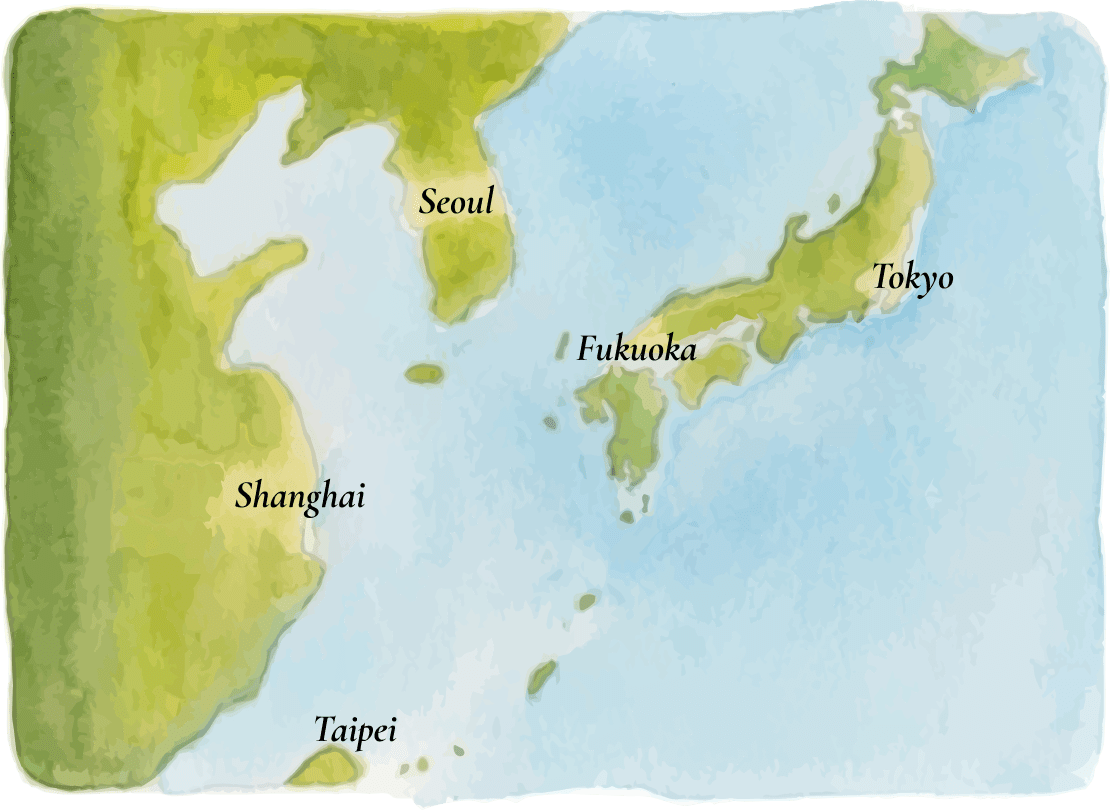
Seen on the map, Fukuoka’s location tells part of its story. Positioned on the western side of Japan, close to the Asian continent, it has long carried a sense of connection beyond the islands — a geography that helped shape its open and distinctive character.
Interview
The Chef Behind the Kitchen
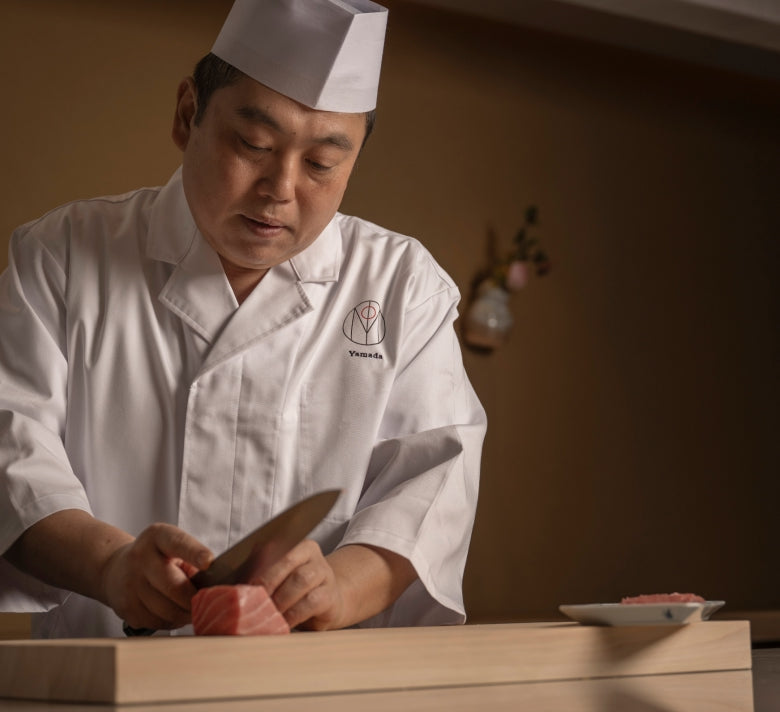
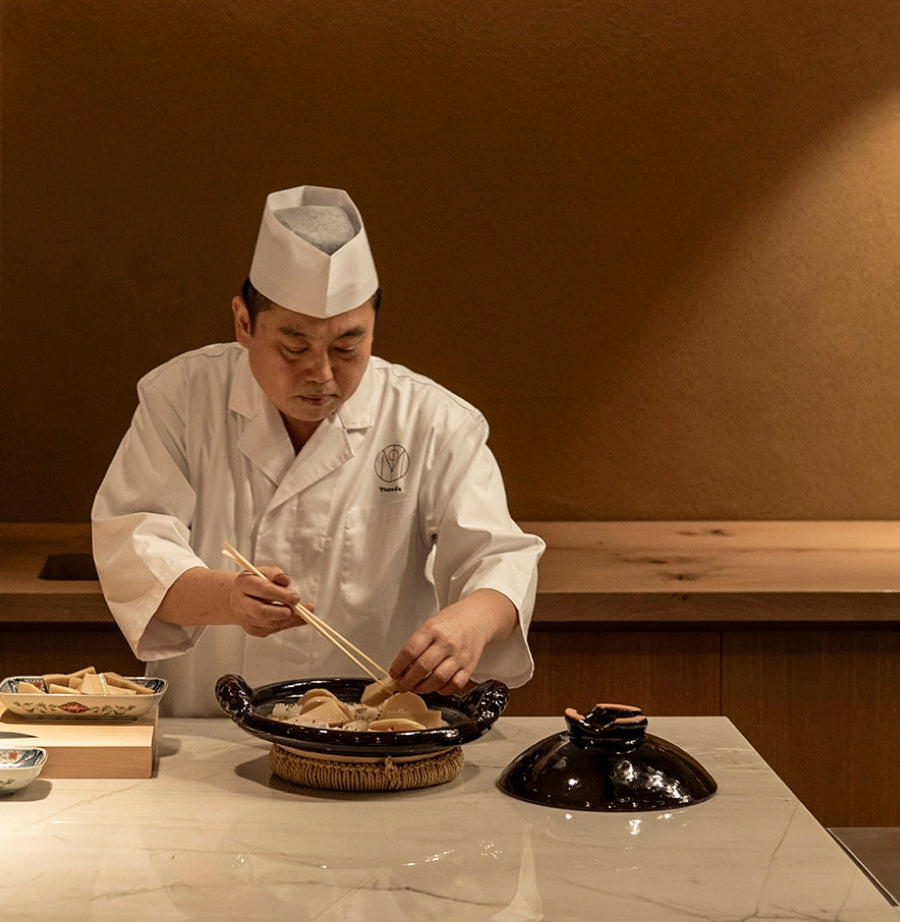
At Yamada, a kaiseki restaurant in New York, Chef Isao Yamada brings a deeply personal sense of seasonality, ingredients, and place to his cooking.
Born in Fukuoka and shaped by the traditions of Japanese cuisine, he brings a deeply personal sense of seasonality, ingredients, and place to his cooking.
Kaiseki is a cuisine built on subtlety: the careful expression of the season, the natural character of each ingredient, and the quiet depth created by dashi. In that sense, Chef Yamada’s work shares a natural connection with Kayanoya’s own philosophy — bringing out the best of ingredients through time, care, and balance.
When we asked what makes Fukuoka’s food culture distinct, Chef Yamada pointed first to the region’s openness — a place where nature, ingredients, and cultural exchange have long shaped the way people eat.
“Fukuoka has long been a gateway to Asia, where diverse cultures and culinary traditions naturally blended together. Surrounded by both sea and mountains, it offers exceptional seafood and produce, creating a culture deeply passionate about quality ingredients.”
For Chef Yamada, that environment was not only a backdrop, but a foundation. Growing up in Fukuoka helped shape the way he sees ingredients, flavor, and the possibilities within Japanese cuisine.
“Growing up surrounded by nature and fresh ingredients sharpened my eye for quality of ingredients from an early age. Exposure to such a rich food culture inspired me to explore not only traditional kaiseki cuisine, but also a wide range of techniques and flavors.”
Born from Fukuoka’s Rich Food Culture
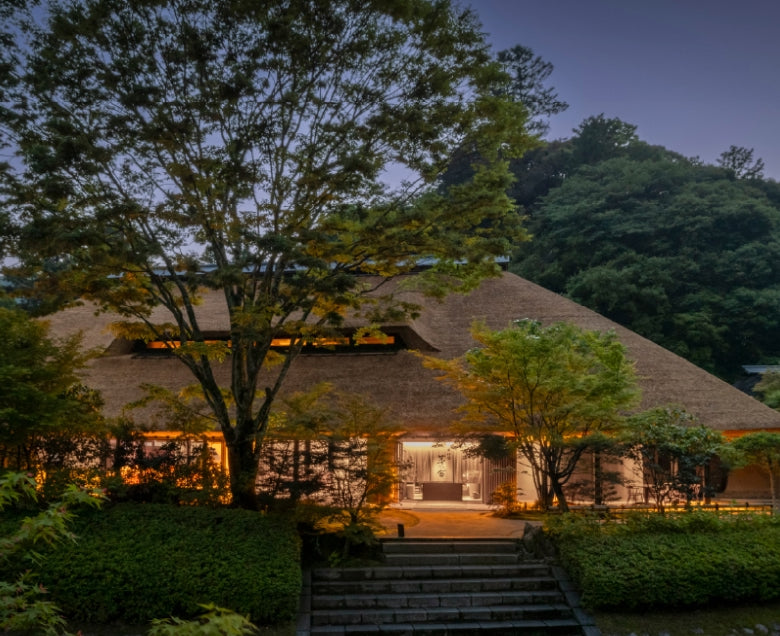
Kayanoya was born in Fukuoka. Known for its products that bring out the natural flavors of ingredients, Kayanoya has gained recognition both in Japan and abroad, particularly for its ago dashi made from grilled flying fish caught off Kyushu.
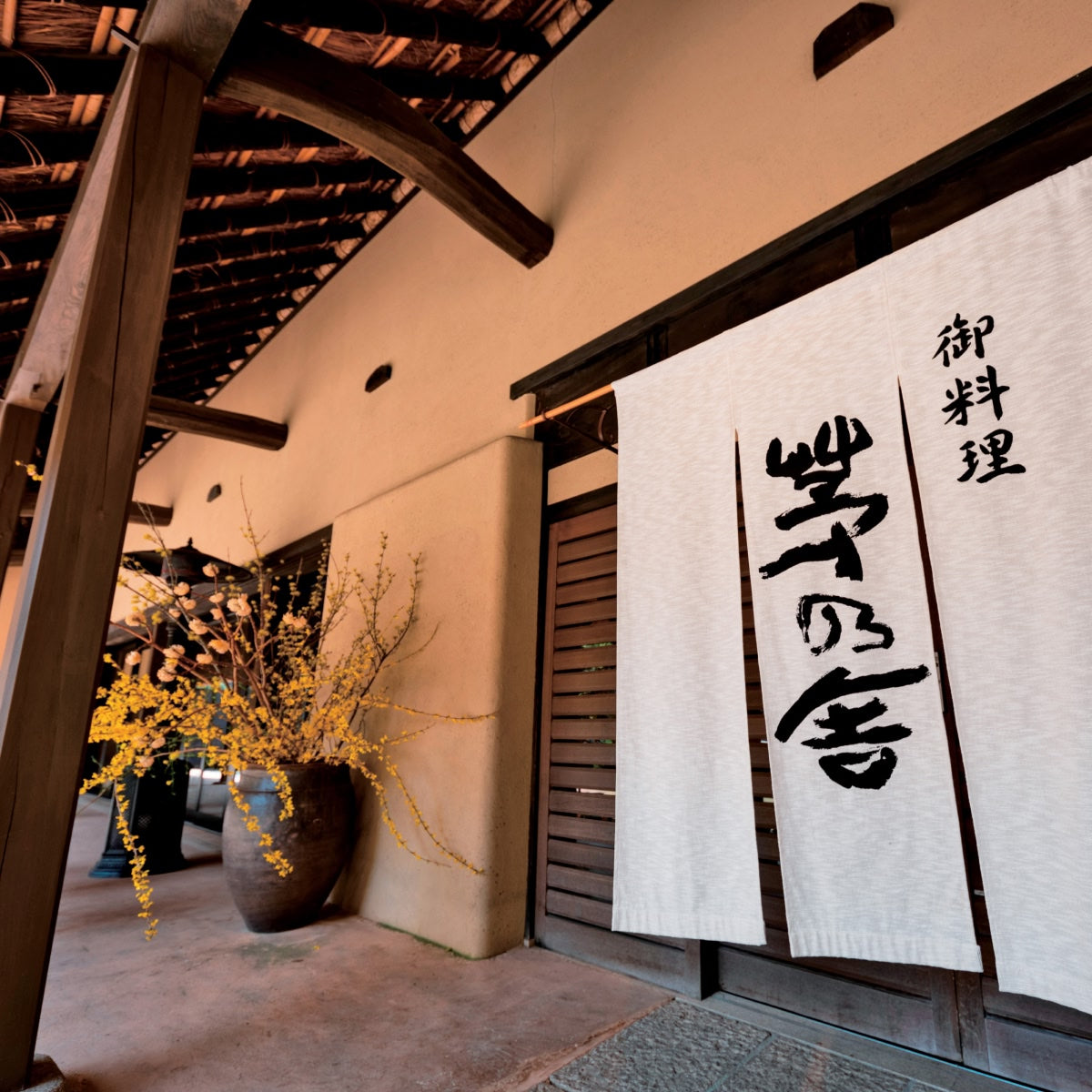
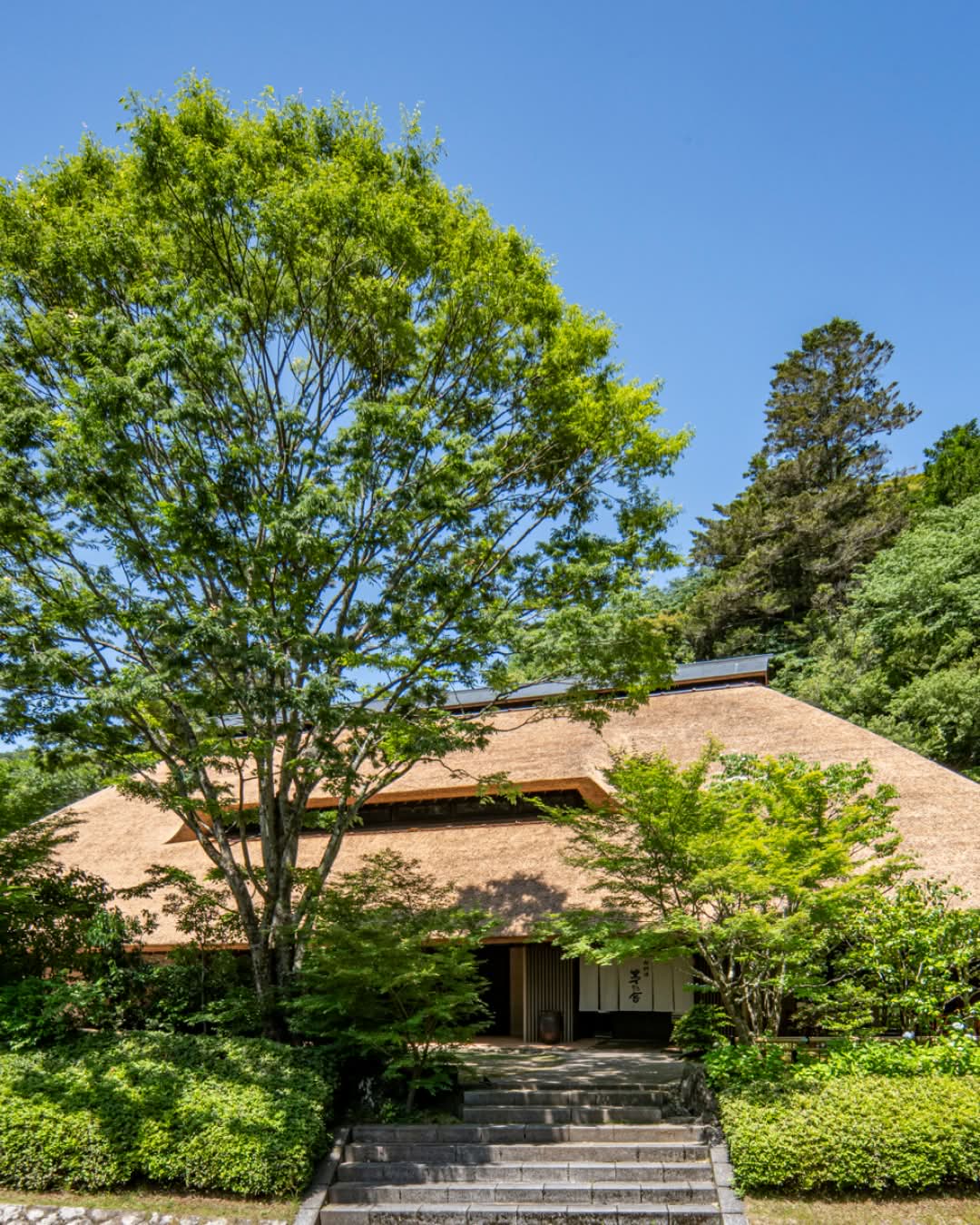
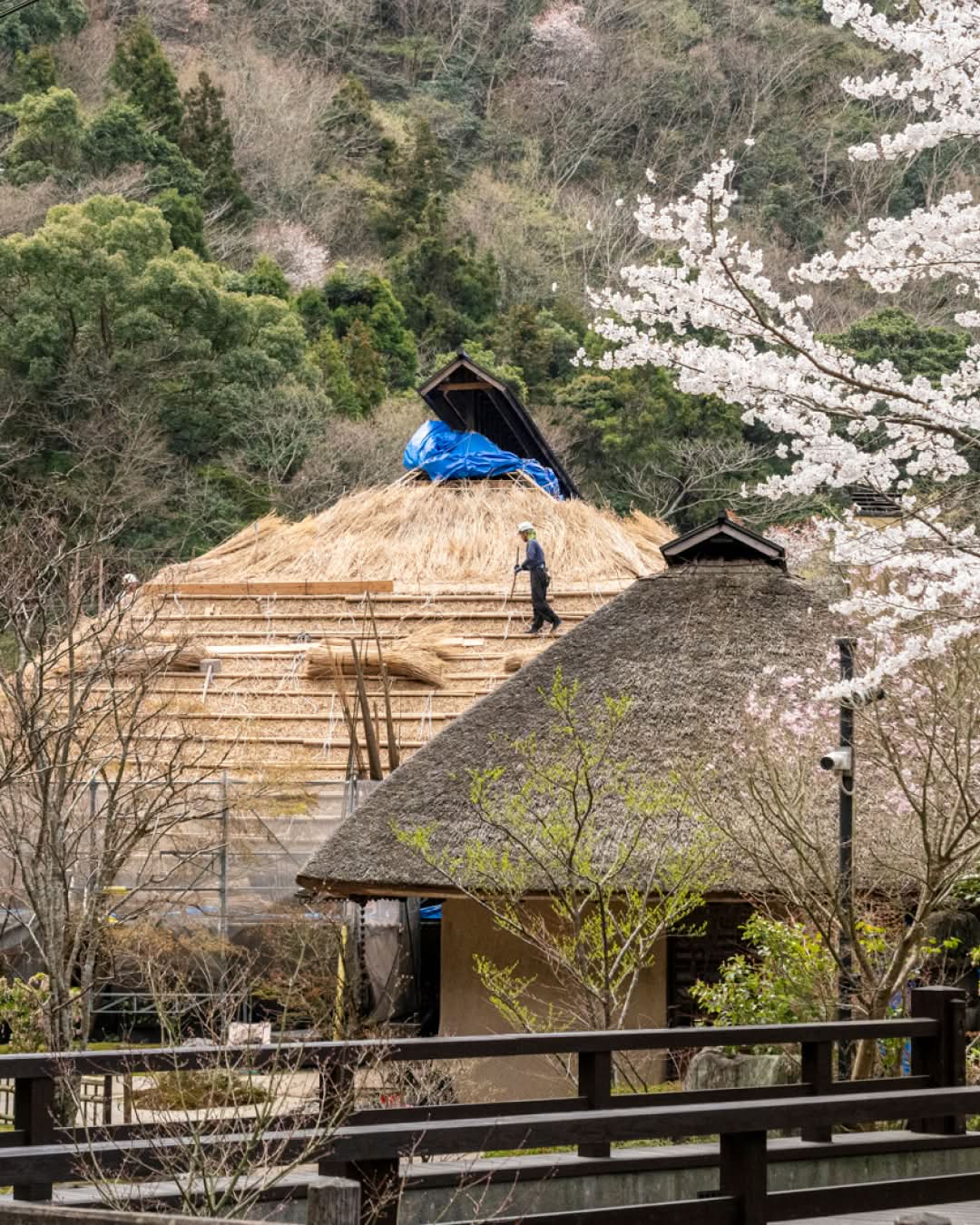
In Fukuoka, Kayanoya also operates Kayanoya Restaurant, a traditional thatched-roof restaurant. The discerning eye for seasonal ingredients, along with the skills and sensibility of its chefs, is reflected in Kayanoya’s product development.
Carefully selecting ingredients and pursuing the most delicious expression, Kayanoya’s craftsmanship is built on time, care, and dedication.
Dashi & The Future
From Fukuoka to New York, dashi continues to carry the quiet depth of Japanese cooking into new places and new kitchens.
As the conversation turned toward the future, we asked Chef Yamada how dashi might continue to find its place in American kitchens.
“The concepts of dashi and umami are already becoming more established in the US. I believe dashi will continue to grow as a way for home cooks and restaurants across all cuisines to create deeper, more refined flavors.”
— Chef Isao Yamada
From Fukuoka to New York, and from restaurant counters to home kitchens, dashi carries tradition into new possibilities.


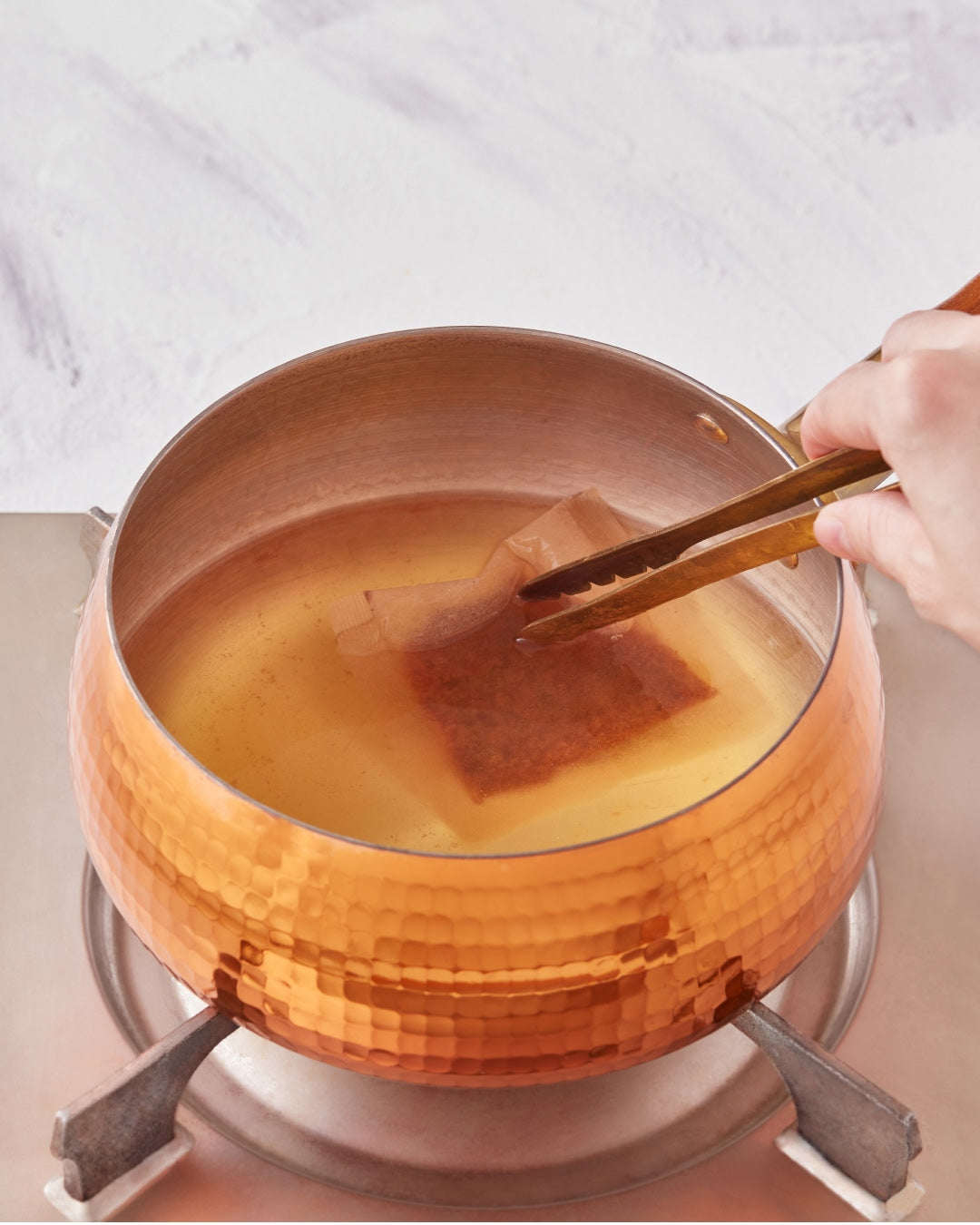
 Making Authentic Dashi Broth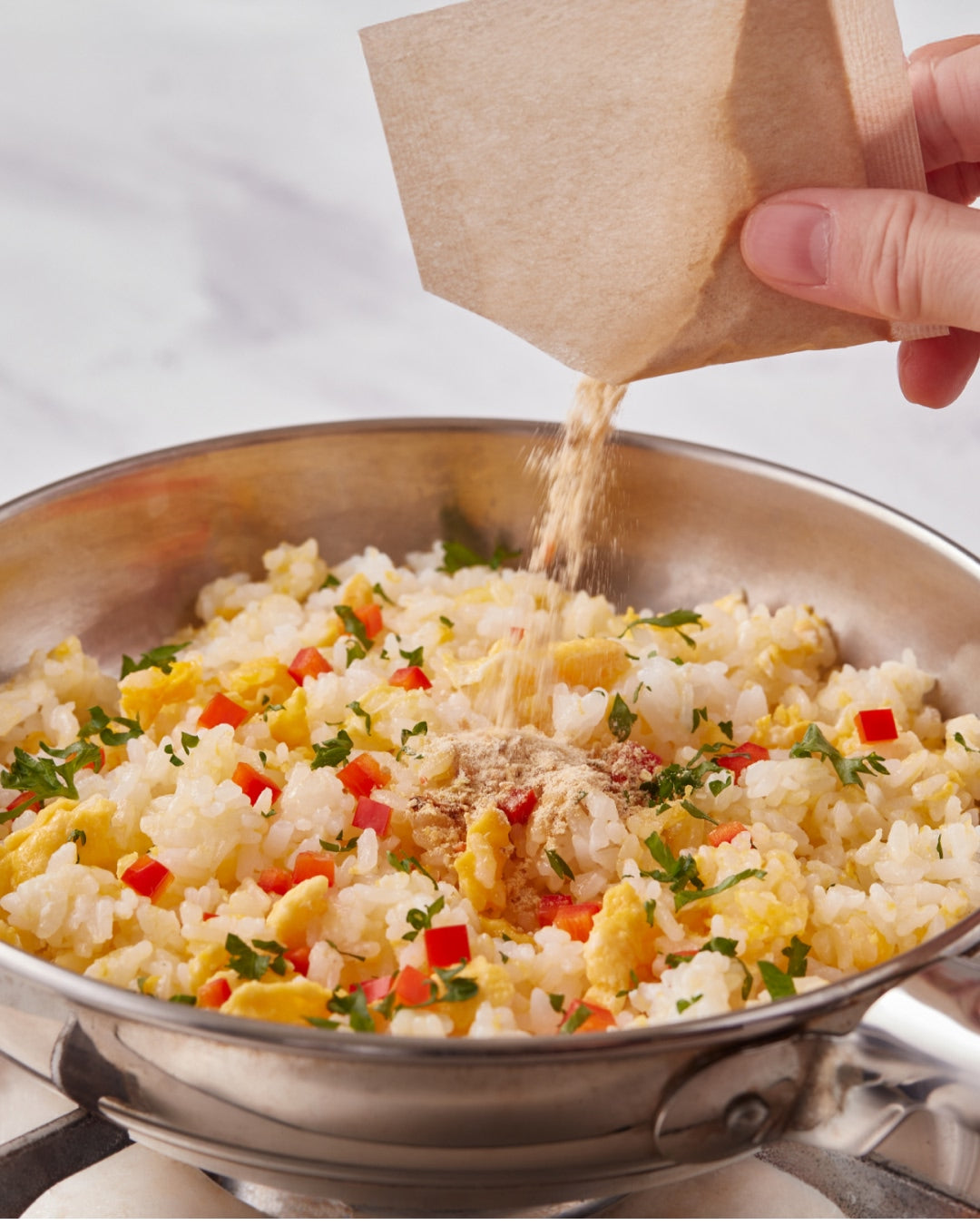
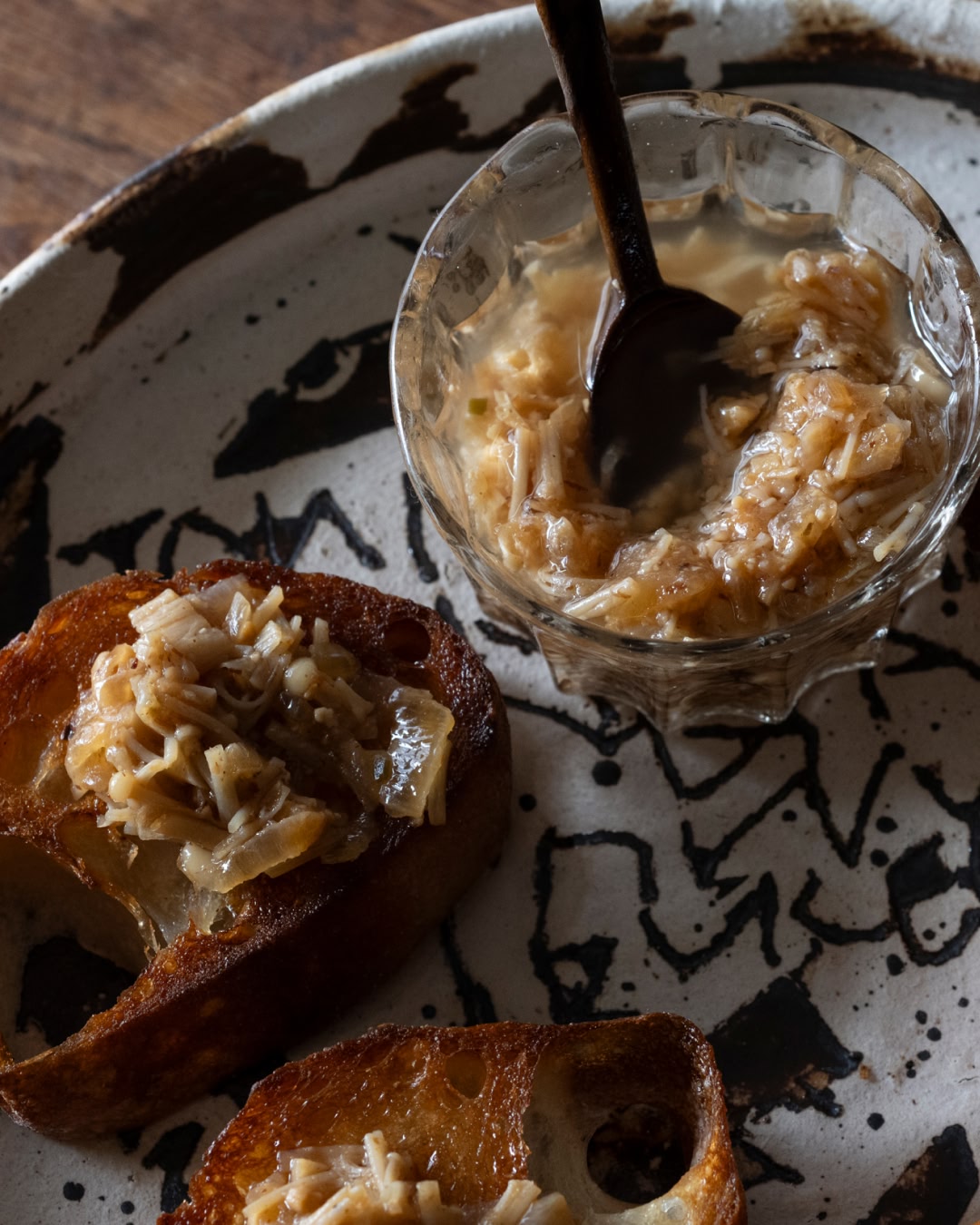
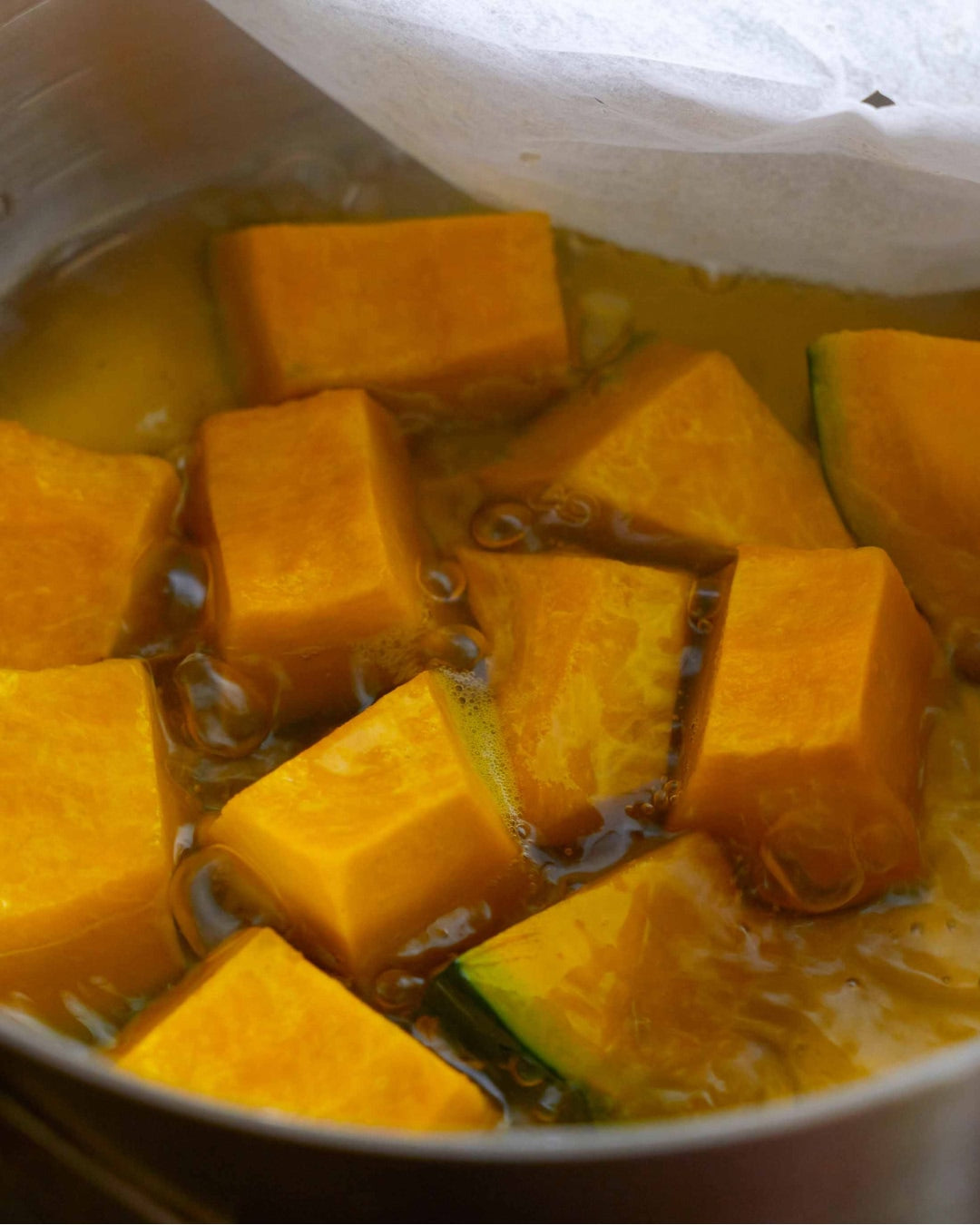
 Cooking with Dashi as a Seasoning