





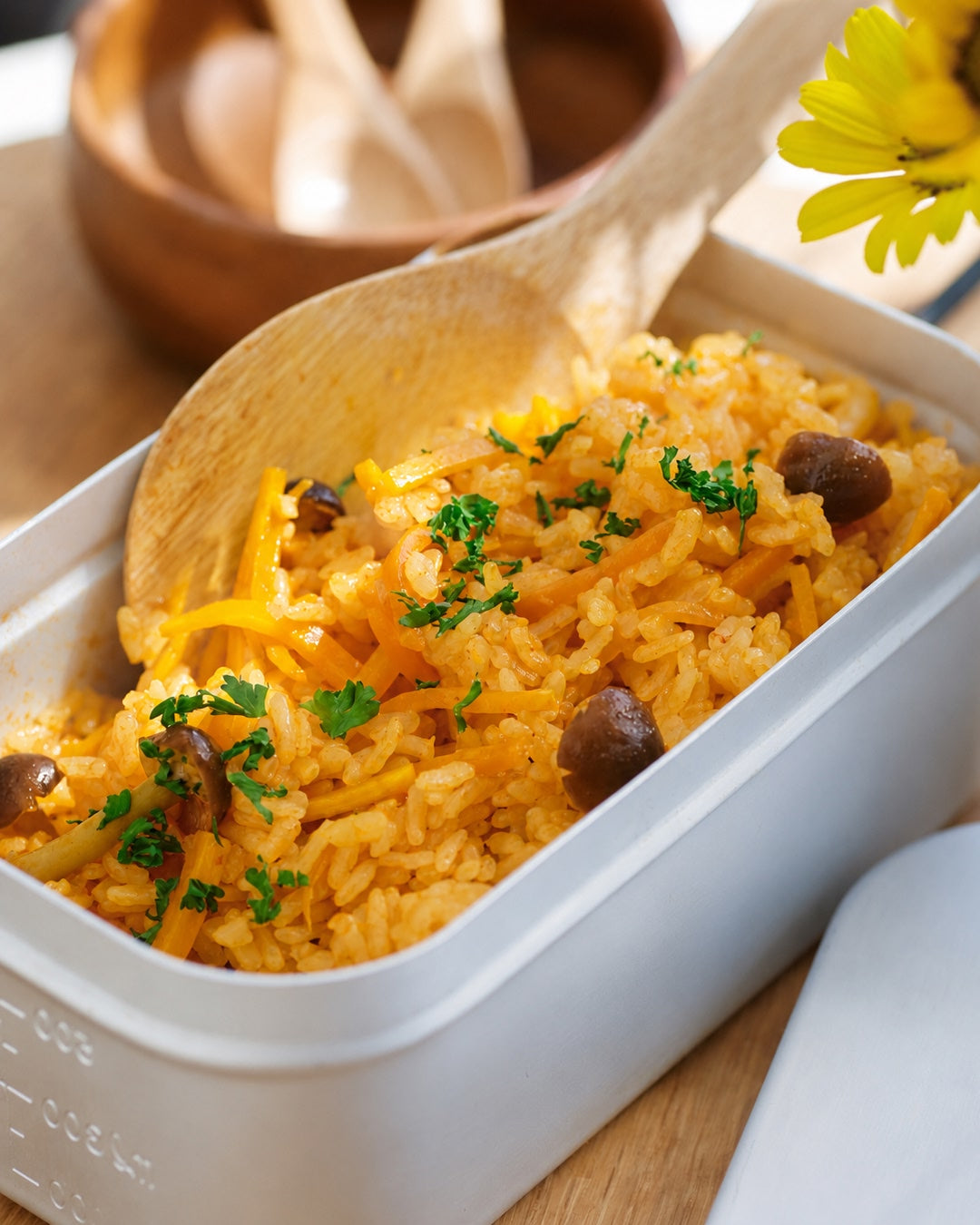
 Colorful Mushroom and Carrot Pilaf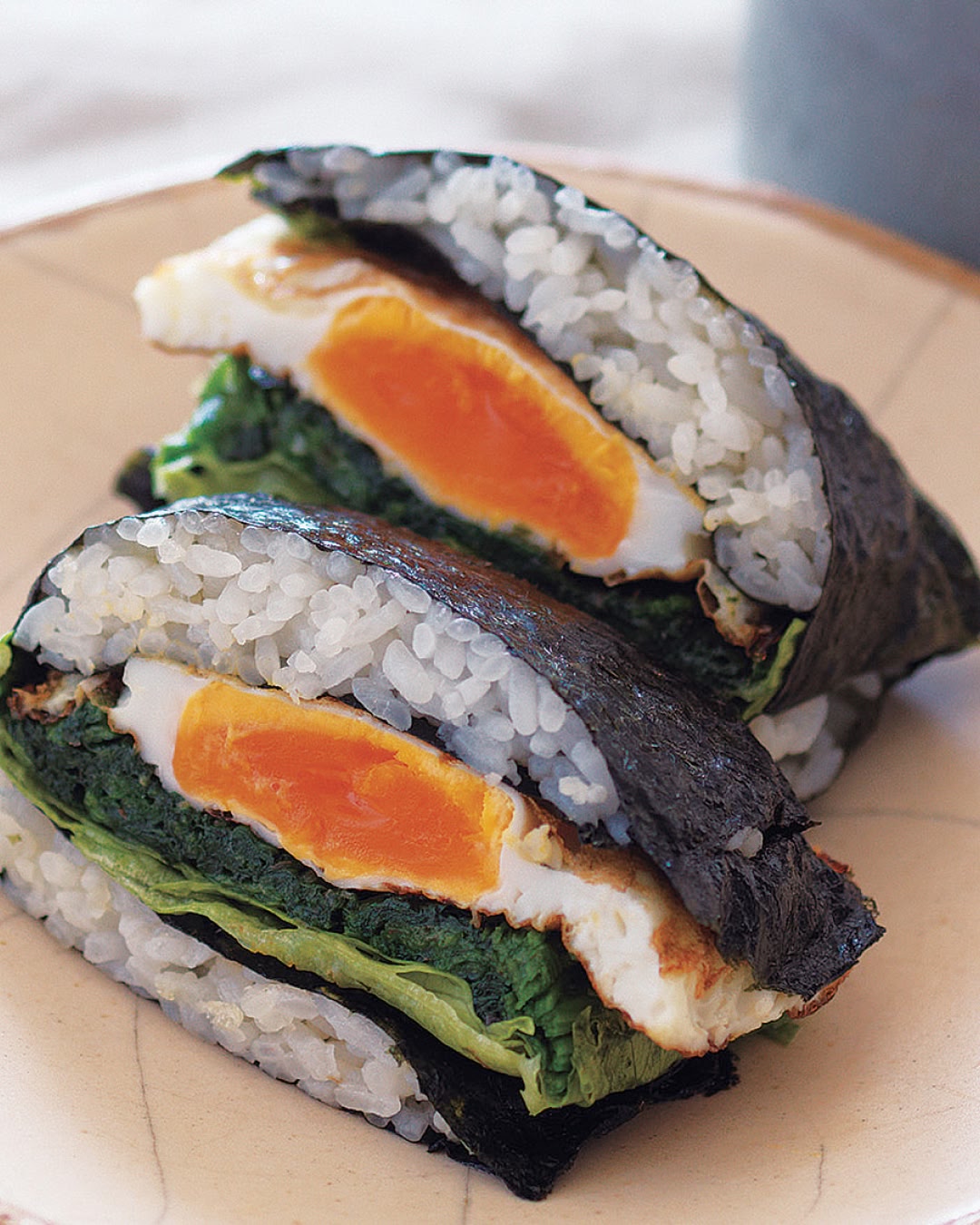
 Dashi Rice and Fried Egg Folded Onigiri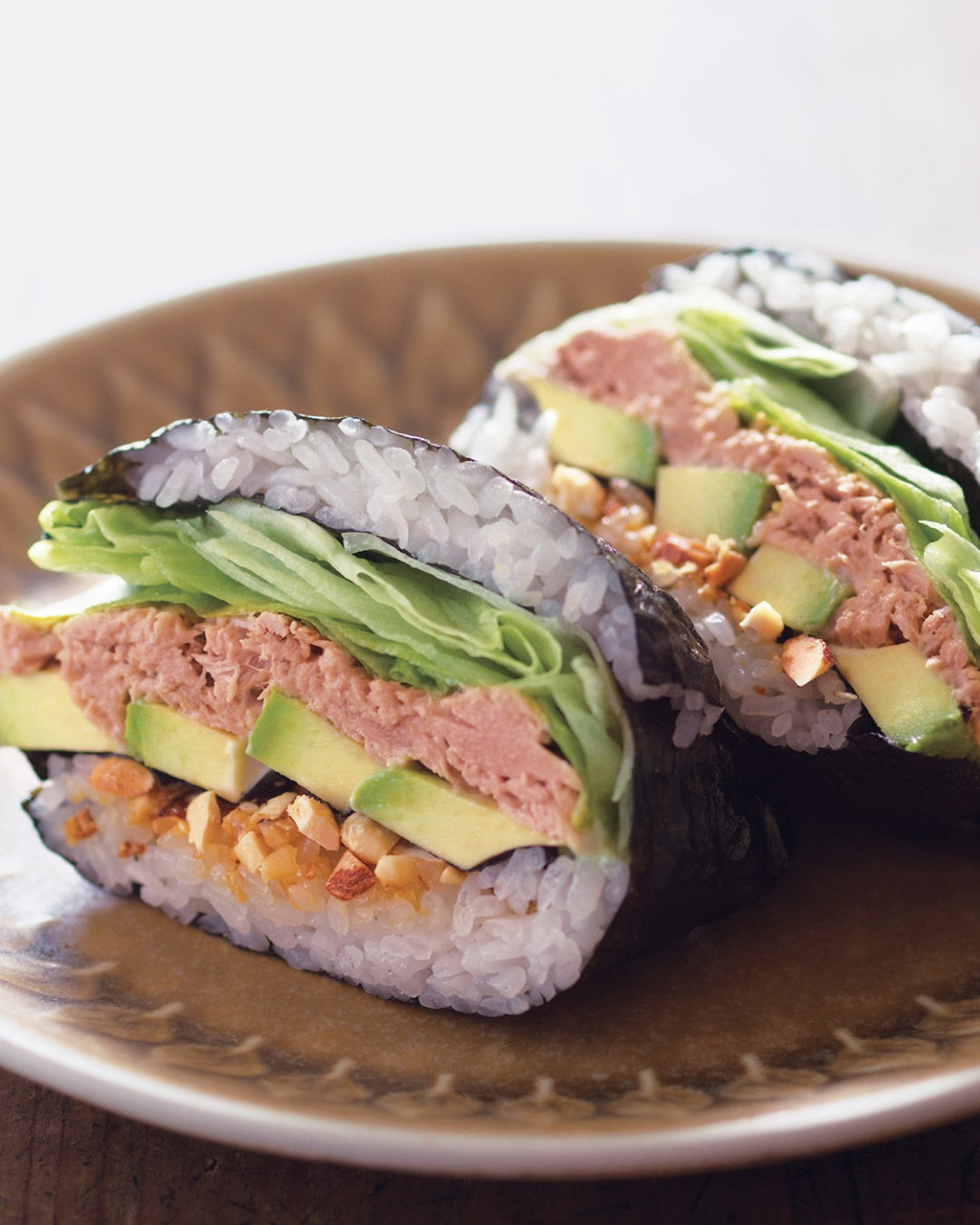
 Tuna and Nuts Folded Onigiri






If only I could master dishes that always turn out right—no matter when I make them—so I could serve them with confidence, knowing they’ll taste just right.
We call such dishes recipes for a lifetime.
The first ones to master are the basics of Japanese cuisine—dishes everyone loves, that appear on the table repeatedly over the course of life.
In this series, our recipes are created with three guiding principles:
-
Keep the ingredients as simple as possible
-
Use dashi and basic seasonings
- Incorporate fundamental Japanese cooking techniques
For autumn, we’ve chosen simmered kabocha (Japanese pumpkin).
Why? Because for many, it brings back memories of home-cooked meals and time with grandparents.
It’s a classic side dish that has long been loved in both autumn and winter.
This time, let’s learn how to make it perfectly.
We’re sharing the recipe using Kayanoya Dashi.
Kabocha has long been simmered together with dried sardines, so making it with niboshi dashi (dried sardine stock) is of course also recommended.
With Kayanoya Dashi, the flavor turns out refined and elegant, while with niboshi dashi, it takes on a more rustic, countryside taste.
Try and discover the flavor you like best.

Simmered kabocha is a dish where the pumpkin absorbs plenty of flavorful broth.
Whether you want it fluffy and hearty or tender and soft, the key lies in the amount of liquid used.

Steps for Making Simmered Kabocha
The process of making simmered kabocha can be broadly divided into the following two steps:
- Prepare
- Simmer

Key Points for Simmered Kabocha
- Measure the amount of kabocha and liquid accurately, and simmer with just a small amount of broth.
- Cook for a short time over relatively high heat.
Common Mistakes When Making Simmered Kabocha
The way you cook pumpkin can be adjusted to your preference—whether you like it fluffy and tender, or soft and melting.
However, no one wants the pumpkin flesh to turn soggy and fall apart.
The main reason this happens is excess moisture.
Please use the water ratio I’ll share with you as a guide.
In this recipe, I’ll be showing you how to achieve a fluffy, firm texture.
Let’s go through the cooking steps while keeping in mind a few tips to bring out the best flavor.

Simmered Kabocha (Japanese pumpkin)

Ingredients (Serves 2)
- 10.6 oz (300 g) kabocha (about 1/6 of a whole)
- [A] 1 packet Kayanoya Original Dashi Stock Powder
- [A]1 ½ cup(350 ml) water
- 1 ½ tbsp sugar
- 2 tsp light soy sauce
- ½ tbsp mirin
Instructions
- Cut the kabocha into about 1–1 ½ inches (3–4 cm) cubes and trim the edges.
- Put [A] into a pot, bring to a boil, and simmer for 2–3 minutes.
- Turn off the heat, arrange the kabocha skin-side down in the pot, then heat over medium.
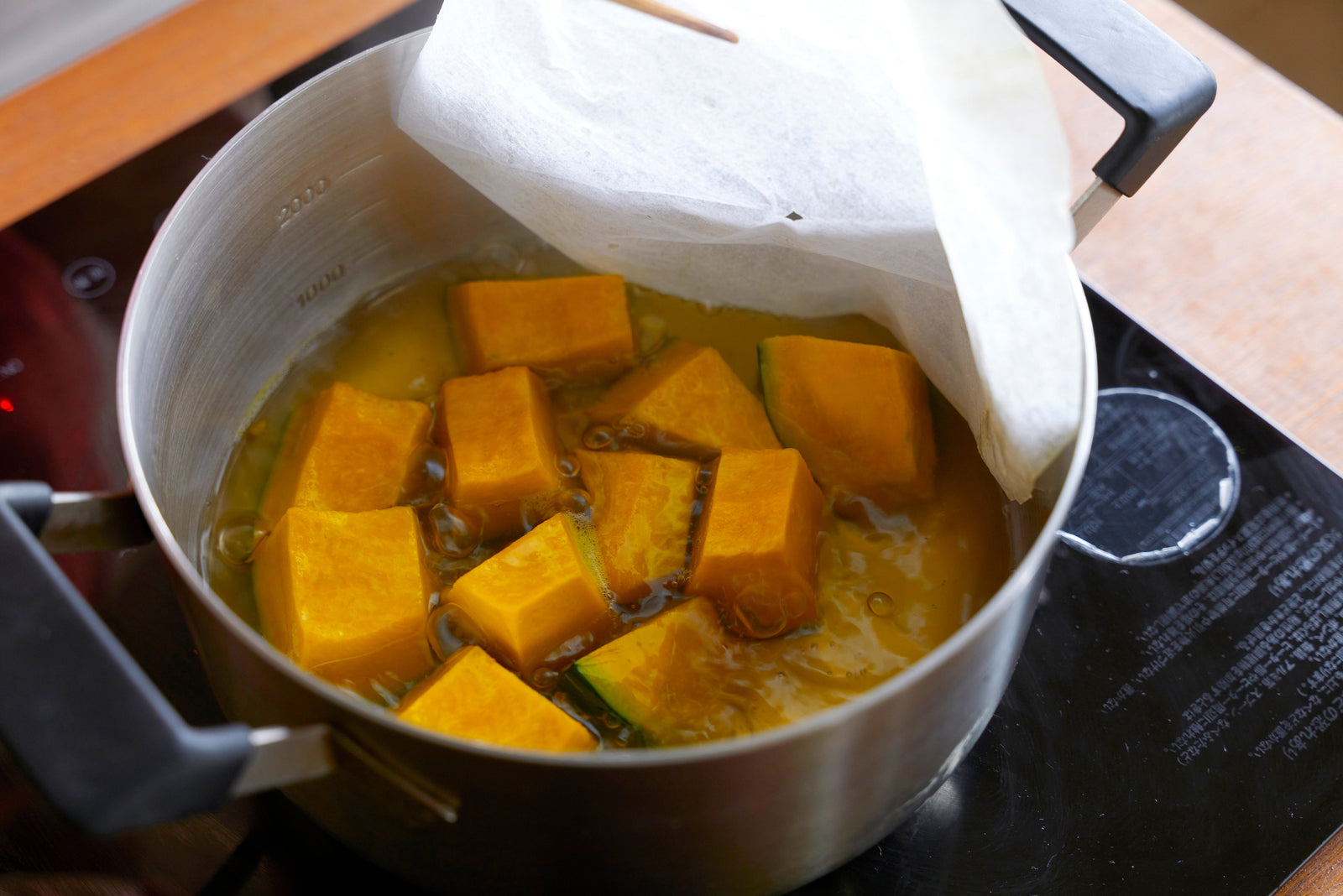
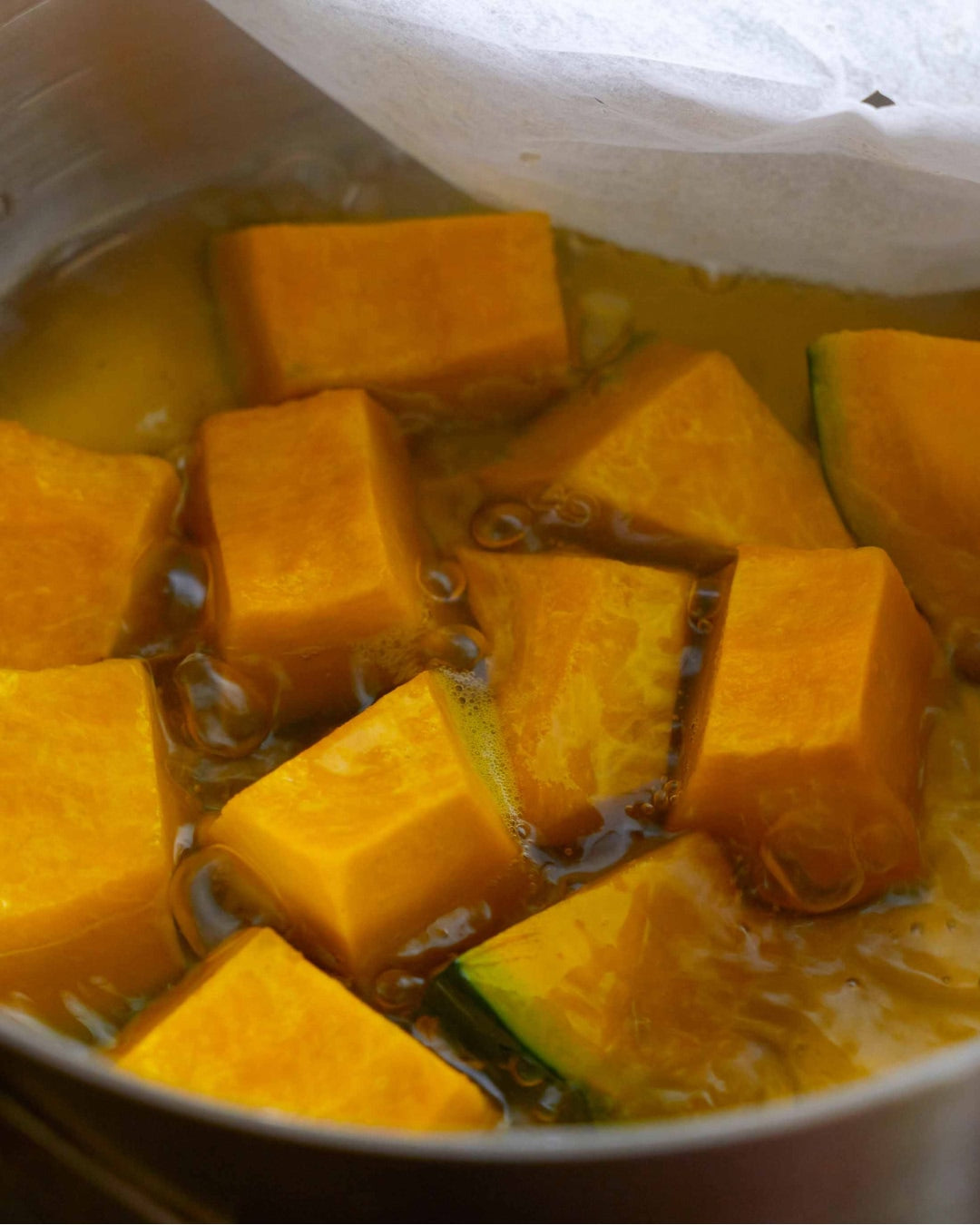
- Add the sugar, cover with a drop lid (otoshibuta), and simmer for 4 minutes. Then add the light soy sauce. Increase to medium-high heat and simmer for about 6–7 minutes.
- Turn the kabocha pieces over, add the mirin, and simmer gently without the drop lid until the pumpkin becomes glossy.
1) Remove the pulp for better flavor absorption


The pulp of kabocha can cloud the cooking liquid and keep the flavors from being absorbed well. Use a spoon to thoroughly scoop them out. In such a simple dish, these small attentions to detail make a big difference in taste. If the skin has particularly thick areas, trim them as well. (When storing kabocha, removing the seeds and pulp beforehand will help it stay fresh longer.)
2) The ratio for a fluffy texture: 10.6 oz (300 g) kabocha to 1 ½ cup (350 ml) water
When making simmered kabocha, it is important to decide the amount of kabocha and water from the beginning. Do not add extra water along the way—cook only with the set amount.
This is because kabocha keeps absorbing liquid as it cooks. For example, with daikon, the amount of liquid absorbed remains about the same no matter how much broth there is. But kabocha is different: the more liquid there is, the more it soaks up, leaving the texture soggy and mushy.
That’s why you need to determine the right amount of liquid in advance.
For this recipe, I’d like you to remember this ratio well.
10.6 oz (300 g) kabocha to 1 ½ cup (350 ml) water (dashi broth)

The key point of this ratio is to simmer the kabocha with only a small amount of cooking liquid.
Arrange the pieces in the pot skin-side down, making sure they don’t overlap. Ideally, the liquid should just cover the flesh of the pumpkin. If you place the flesh side down at the start, it will turn soggy.
Also, choose a pot of the right size. If the pot is too large, the kabocha will move around while simmering, which can cause it to break apart.
3) Seasoning: sugar first, then soy sauce


After simmering the kabocha in Kayanoya dashi broth, season with 1 ½ tablespoons sugar and 2 teaspoons light soy sauce.
Remember the golden rule of Japanese cooking: always add sugar before soy sauce.
Bring to a strong medium heat until bubbles rise vigorously. Simmer for about 4 minutes to let the sweetness spread evenly, then add the soy sauce.
4) Cooking time: just over 10 minutes – do not simmer slowly

Although it’s called nimono (simmered dish), kabocha is not meant to be cooked with a gentle, long simmer. Instead, it should be cooked over relatively strong heat for a short time.
It may come as a surprise, but the actual cooking time is just a little over 10 minutes. This is the secret to achieving that fluffy, tender texture.

When simmering starchy vegetables, use a light paper lid (otoshibuta) to gently cover them.
If a bamboo skewer slips through easily, it’s a sign that the inside is cooked. Once you confirm that, turn the kabocha pieces over to finish. At this point, a little cooking liquid should remain in the pot.

Finally, add the mirin to give a glossy finish. Be careful not to add it too early, as doing so can cause the kabocha to break apart.
Your Timeless Japanese Dish, Simmered Kabocha, is now complete.
For many, this dish should bring back memories of childhood.
I hope this flavor, too, can become a cherished memory in your own household.
Extra: The traditional Japanese pumpkin – Black-skinned Kabocha

Nowadays, in Japan, when people say pumpkin, they usually mean the green-skinned kabocha. But did you know that Japan also has a traditional variety? It’s called Kurokawa Kabocha, or black-skinned kabocha.
Its distinctive features are a rugged exterior and soft, tender flesh. Earlier I mentioned that kabocha should not be simmered slowly, but black-skinned kabocha is just the opposite—it is a vegetable meant to be gently simmered, almost imperceptibly.
Because of its fine texture, it cooks up moist and elegant.
It is also important to steam it before simmering. And since we are focusing on kabocha in this section, let’s also take a look at how to prepare a simmered dish using this traditional Japanese variety.


Simmered Black-skinned Kabocha
Ingredients (Serves 2)
- 10.6 oz (300 g) black-skinned kabocha
- [A] 1 packet Kayanoya Original Dashi Stock Powder
- [A] 1 2/3 cups (400 ml) water
- 2 tbsp sugar
- 1 tbsp light soy sauce
- ½ tbsp cooking sake
Instructions
- Cut the kabocha along the ridges into bite-sized pieces. Peel the skin thickly and trim the edges.
- Place the pieces in a steamer and steam for about 15 minutes, or until a bamboo skewer goes through easily.
- Put [A] into a pot, bring to a boil, and simmer for 2–3 minutes. Then arrange the steamed kabocha pieces in the pot.
- Add the sugar, cover with a paper lid (otoshibuta), and simmer over low heat for 4 minutes. Add the light soy sauce, cover again with the paper lid, and continue simmering until the cooking liquid is reduced by half. Finally, add the sake and simmer briefly.
Recipe Creator

Yoko Yamada – Food Stylist
Active contributor to Kayanoya’s quarterly magazine Temahima. Holds the title of Professor in Edo Kaiseki Kinsaryu cuisine. With deep knowledge and skill in Japanese culinary techniques and etiquette, she creates recipes that are approachable for home cooks while maintaining the beauty and delicate flavors of Japanese cooking.