




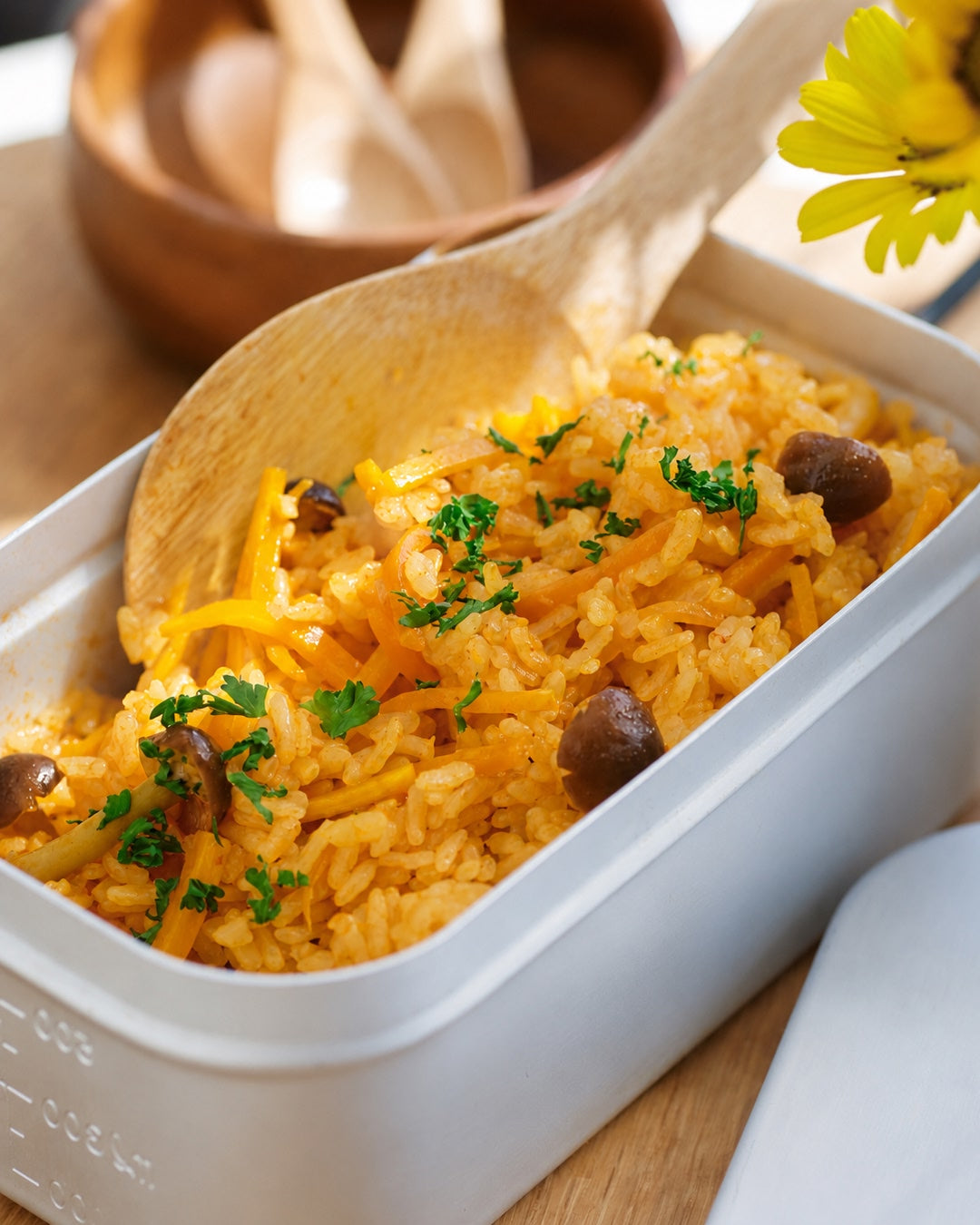
 Colorful Mushroom and Carrot Pilaf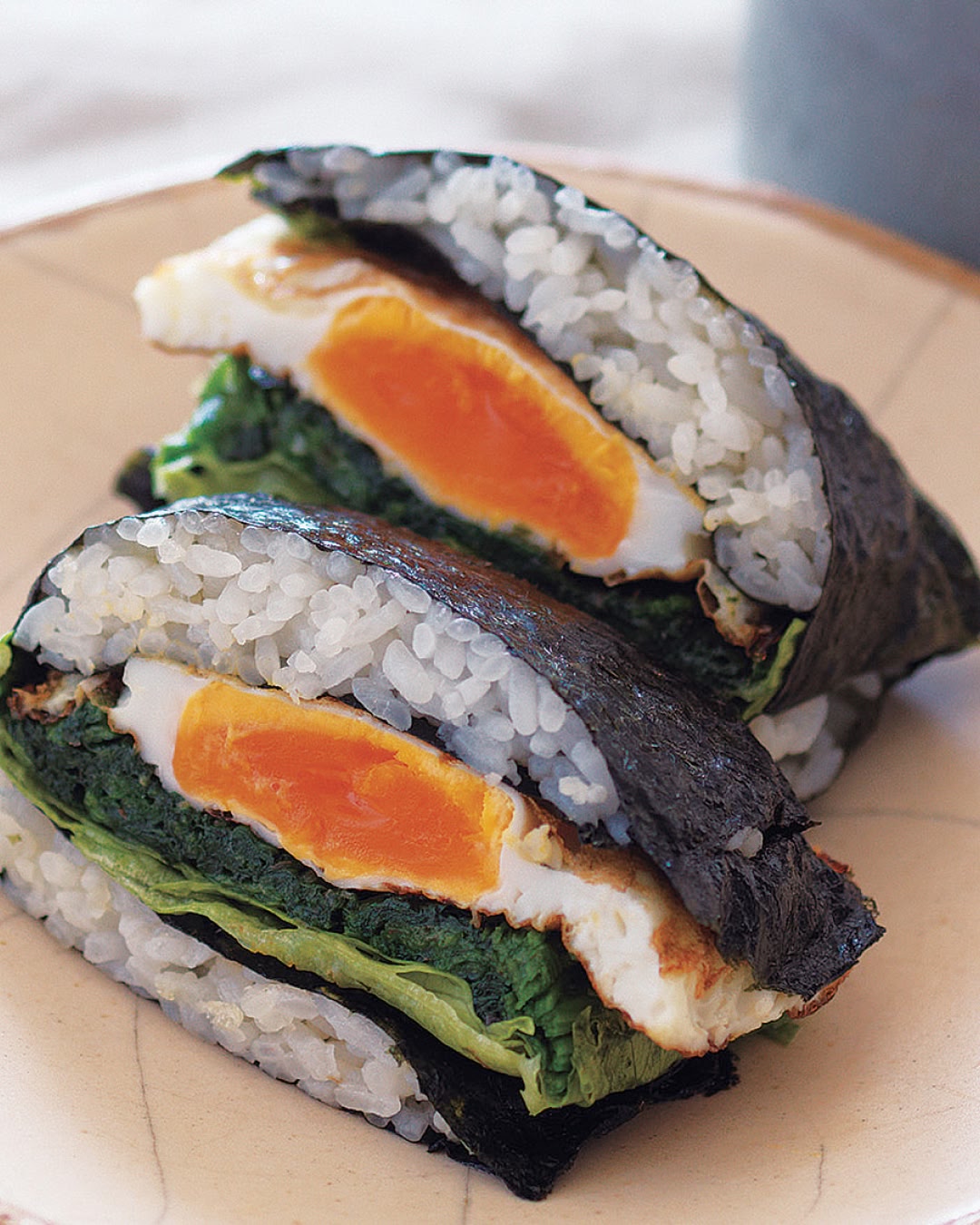
 Dashi Rice and Fried Egg Folded Onigiri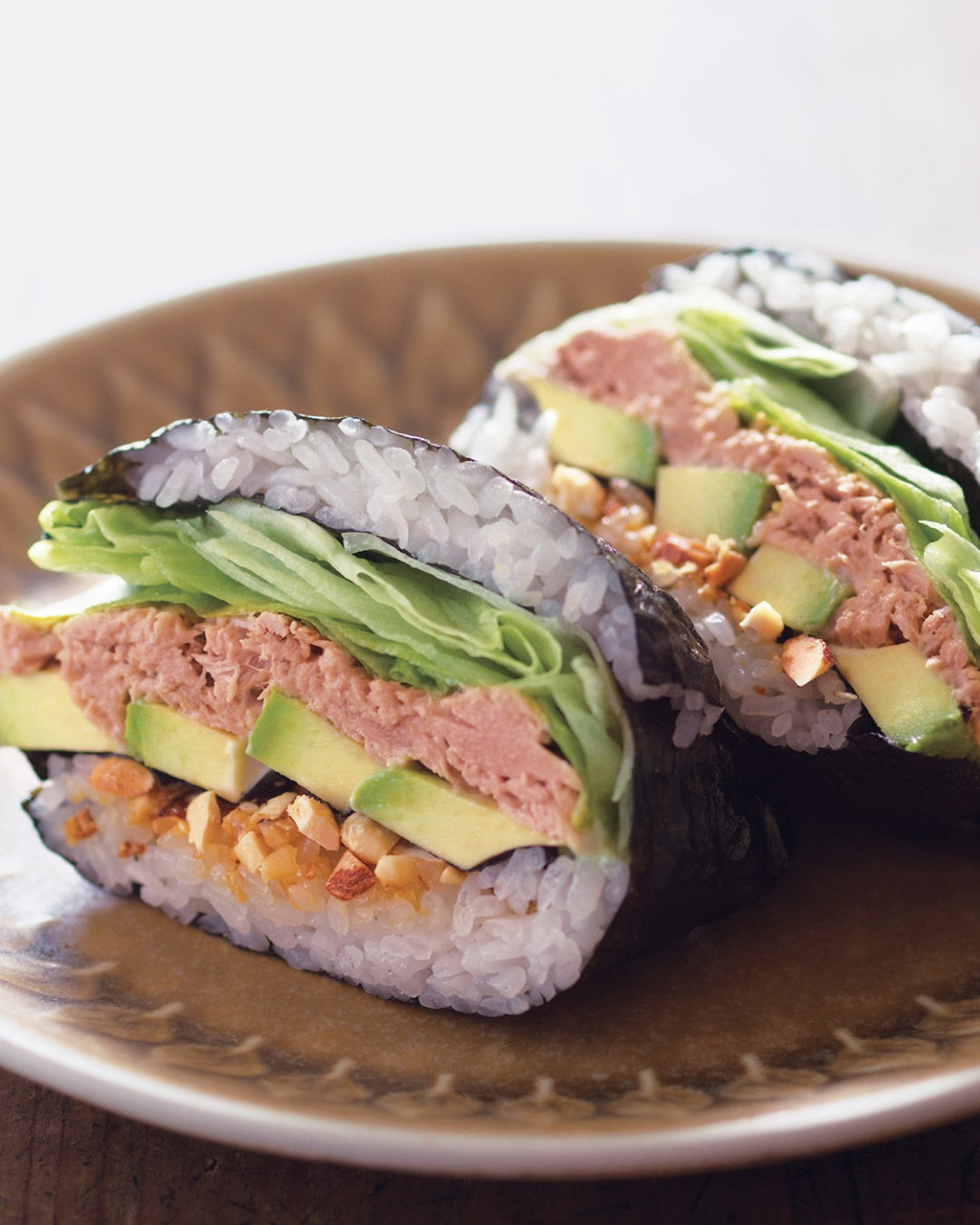
 Tuna and Nuts Folded Onigiri






Japanese cuisine is truly wonderful. Our guests always enjoy it and leave satisfied after every meal. Yet, at home, fewer people are cooking washoku, traditional Japanese dishes.
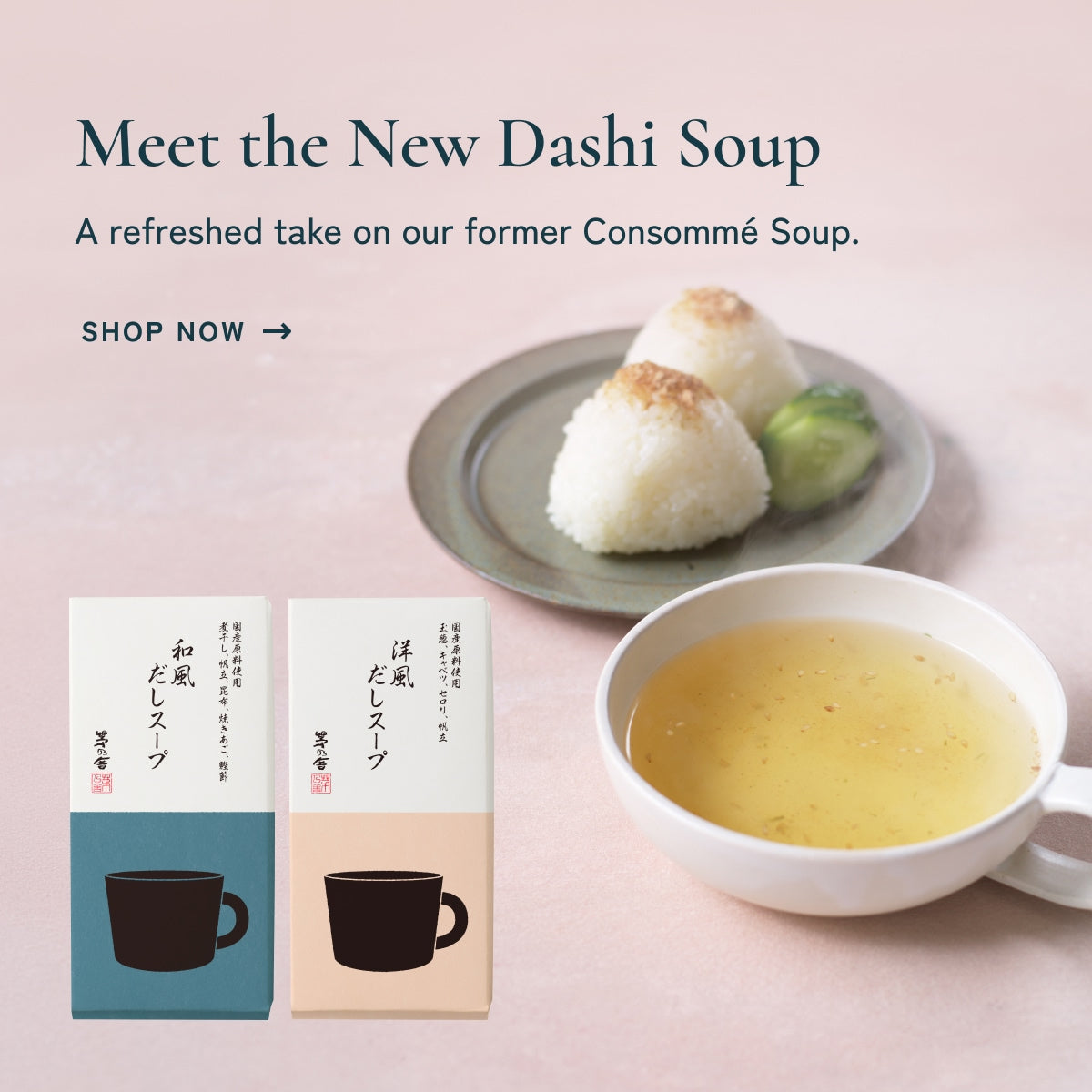
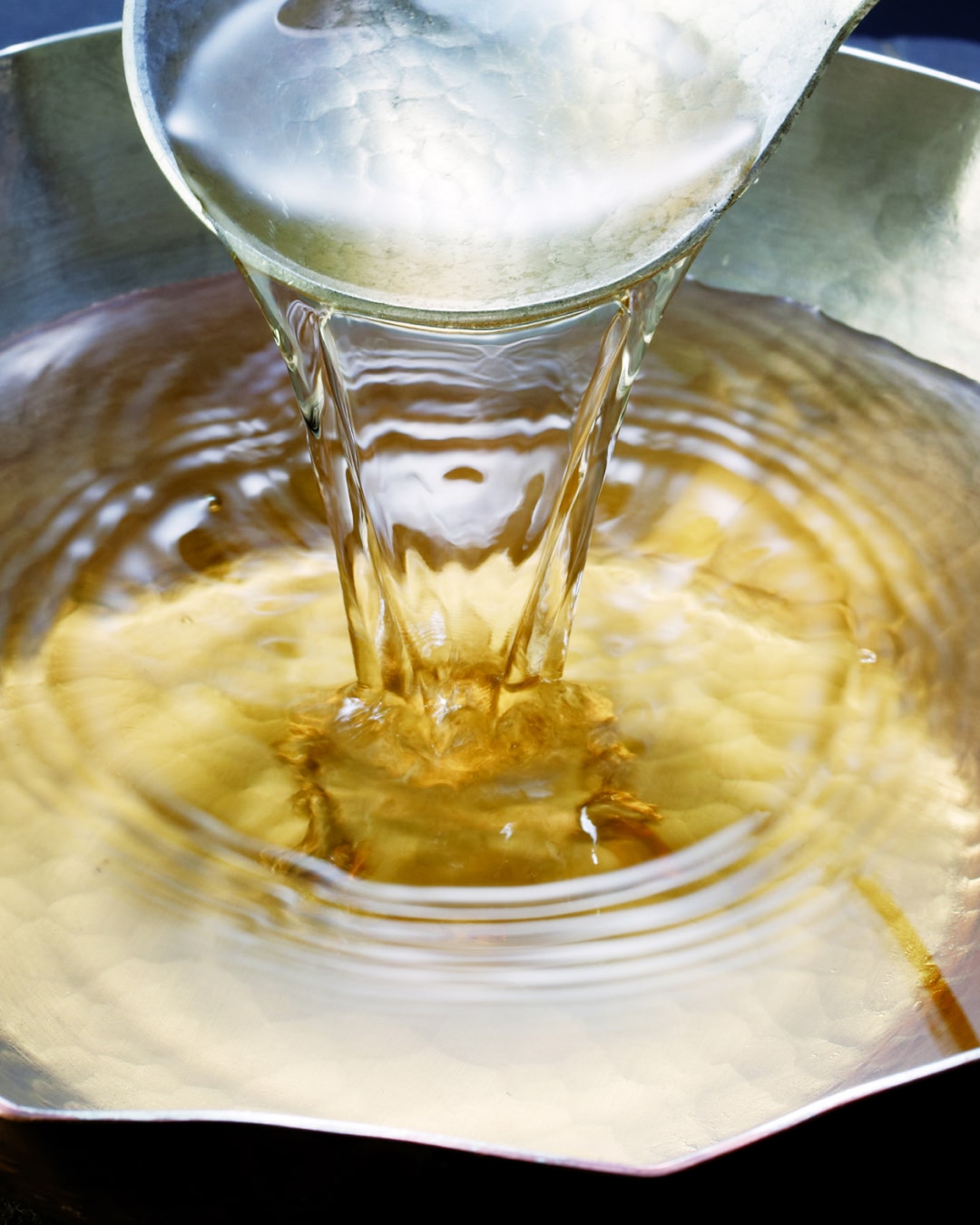
Why is that? Perhaps the biggest challenge lies in dashi — the soup stock that forms the heart of Japanese cooking. Many people may find preparing dashi at home troublesome, and that may be why they hesitate to make washoku themselves.
So, we decided to create it. Our company had been researching dashi-making techniques since my father’s time, waiting for the right day to bring them to life. Although it was the height of the fast-food era, we were driven by a single desire: to share the rich food culture of Kyushu with people across Japan.


Moreover, many guests told us how much they loved the broth in Oryori Kayanoya’s Jukkoku Nabe (“Ten-Grain Hot Pot”)and asked to know our secret. Their words became a powerful source of encouragement for our development efforts.
The key ingredient we focused on was ago-dashi, a flying fish broth that Kawabe himself loved deeply. And so, our dashi was finally born. At that time, however, we never imagined that ago-dashi would one day be embraced so warmly by people outside of Hakata.


It was the height of the mail-order boom, and at first, we were thinking of recommending our Nama Shichimi (fresh seven-spiced blend).


It was the height of the mail-order boom. The very first product we planned to recommend through our online shop was Nama Shichimi, our fresh seven-spice blend.
The roots of this Nama Shichimi go back to Granma Nagano’s homemade yuzu kosho—a fragrant paste of yuzu citrus and chili peppers. One of our staff members learned how to make it from her and wondered if it could be transformed into a shichimi blend.That idea eventually became the product we have today.


On the other hand, our ago-dashi—flying fish broth—was only given a small introduction in the catalog. However, the daikon radish simmered in the broth became so popular that we even received requests from customers saying they wanted to buy the daikon itself.
In this way, it was the ago-dashi that, contrary to our expectations, gradually began to gain popularity.


Later on, an unexpected offer came our way—to open a store in Tokyo Midtown, a newly developed shopping and cultural complex in central Tokyo. At that time, however, we had only just managed to open a small Kayanoya shop of about 200 square feet in our local department store. With so much still uncertain, opening a store in Tokyo felt like nothing more than a distant dream.
Thankfully, over the years we received repeated invitations, and finally, on the third offer, the timing felt right. We decided at last to open our store.
Once the Kayanoya shop opened in Tokyo Midtown, the city’s vibrant hub for culture and innovation, it quickly became a sensation. The power of word-of-mouth among our customers also gave us an incredible boost.


Fortunately, the reputation of “When it comes to dashi, it’s Kayanoya” began to spread rapidly. The speed of this growth surprised not only Kawabe himself but all of us on the team.
When we first opened in Tokyo Midtown, we were told, “We hope to welcome brands that will one day share their story with the world.” Now, that vision is truly beginning to take shape.


The workshop where we make soy sauce, vinegar, and miso—all based on koji—has remained in the same place since our founding. Even today, the traditional techniques from our origins are carefully preserved and passed down.
We also launched a new project called Kayanoya Koji-gura, a place dedicated to exploring the possibilities of koji, the traditional Japanese ingredient used to ferment soy sauce, miso, and other seasonings.
But this is only a small glimpse of what’s to come. It seems that Kawabe still has many secret plans that he cannot yet reveal. We look forward with anticipation to discovering what kind of surprises await.
Kayanoya will continue to pursue new and exciting ideas!


Tetsuji Kawabe, CEO

