


 Making Authentic Dashi Broth
 Cooking with Dashi as a Seasoning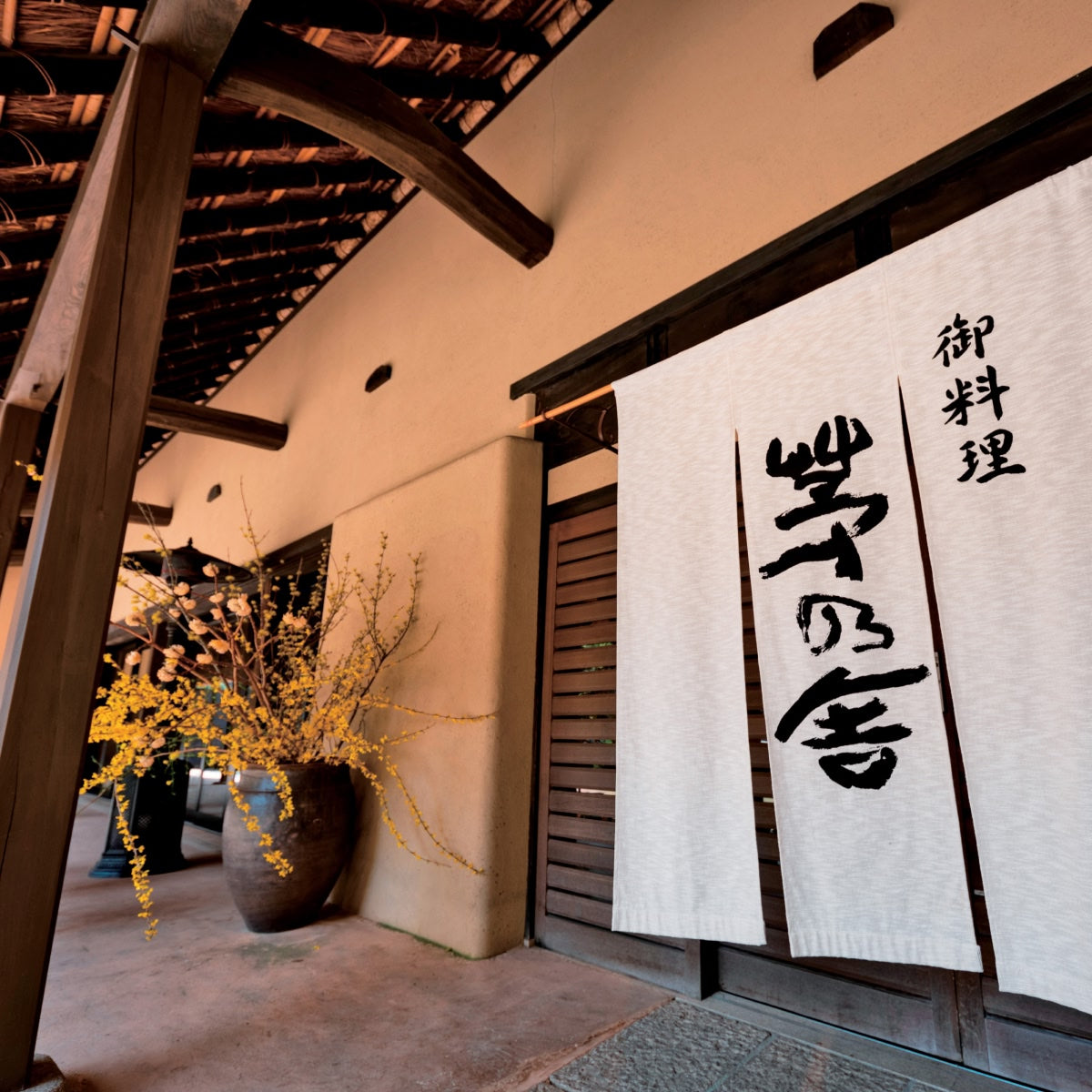











Hello, everyone. I'm Tome Fukurokoji, your writer for this series.
Throughout this series, I've shared some of the lesser-known stories behind Kayanoya. Today, I'd like to explore the secret behind the satoyama cuisine served at Oryori Kayanoya Dining—inspired by Japan's traditional rural countryside and brought to life with local ingredients and traditional cooking methods.
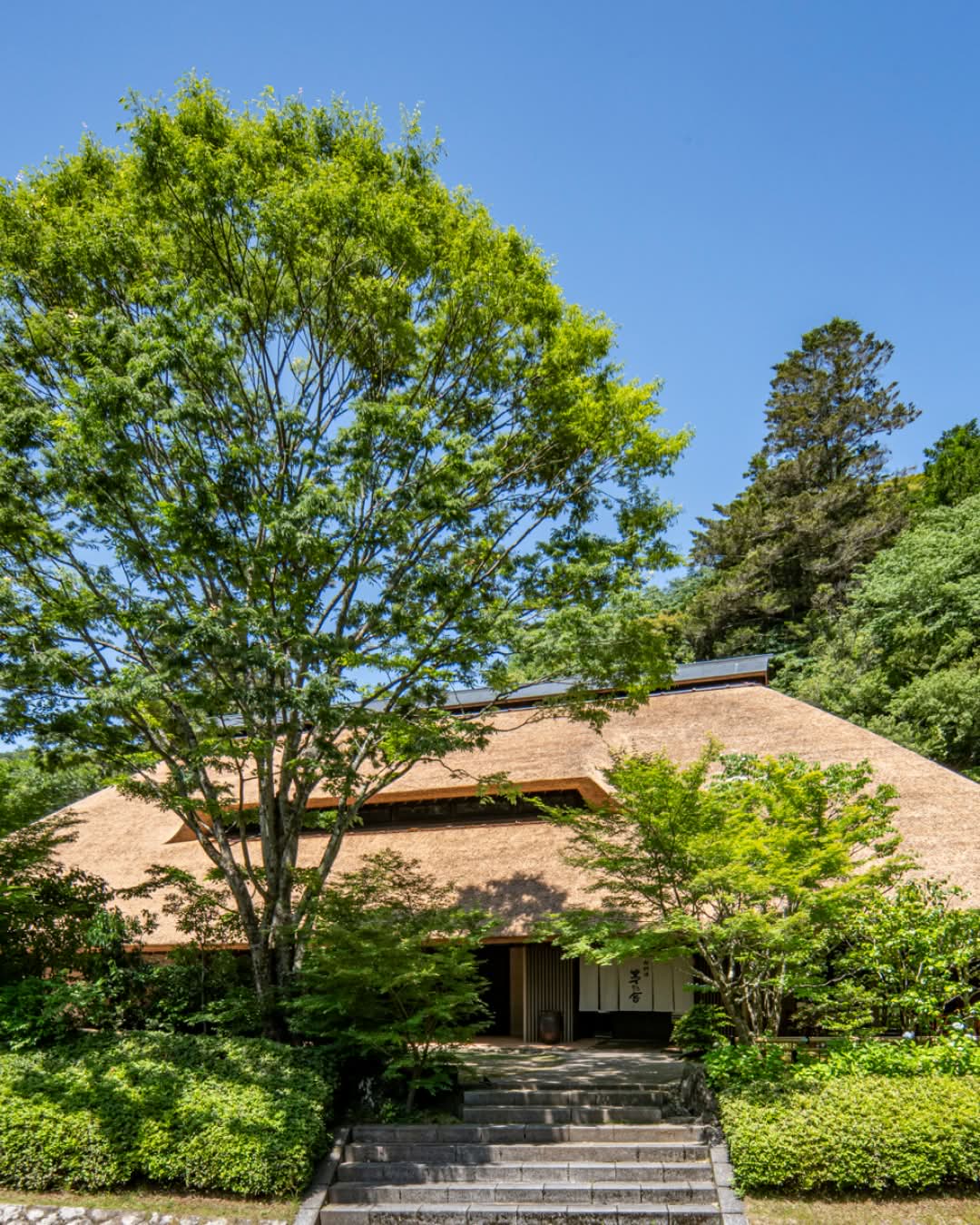
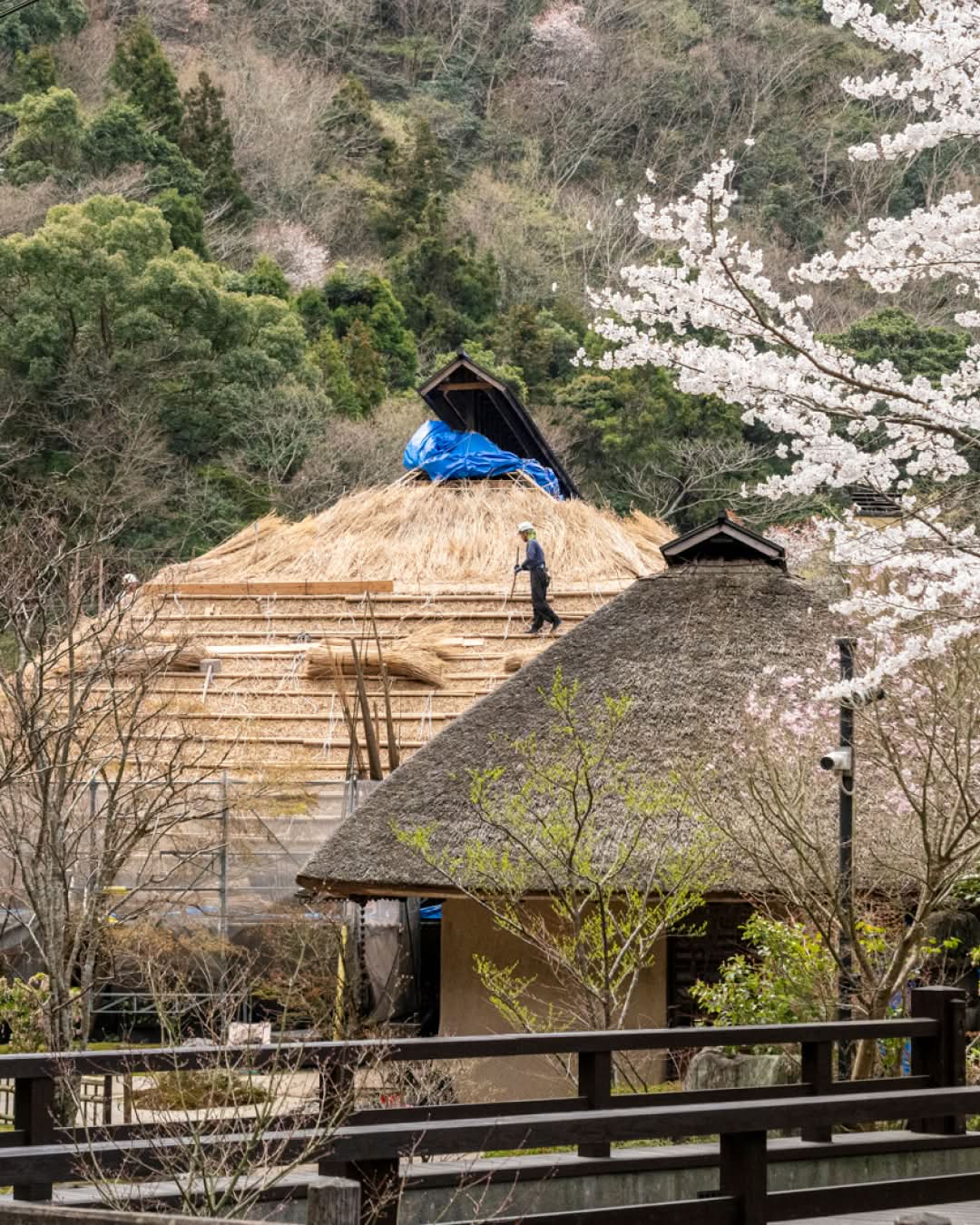
Let's begin with a visit to the restaurant itself—a traditional thatched-roof building nestled in the mountains, about a 40-minute drive northeast of downtown Fukuoka.
Oryori Kayanoya Dining was born from a passion to preserve and pass on Japan's culinary traditions.

A nostalgic place where the flavors of satoyama cuisine await.
As you follow the mountain road along the Ino River in Hisayama, Kasuya District, Fukuoka Prefecture, a magnificent thatched-roof building comes into view, evoking the world of a traditional Japanese folktale. This is Oryori Kayanoya Dining.
The area is also known for its fireflies, drawing visitors each year from late May through June. As mentioned in a previous article, it was during firefly season that Tetsuji Kawabe, the president of Kubara Honke, first envisioned creating a thatched-roof restaurant here while he was still a university student.

Previous head chef Yuji Ozaki (left) and founding head chef Kenji Okabe (right)
Oryori Kayanoya Dining opened in 2005 with the hope that its guests would experience—and come to appreciate—the richness of Japan's culinary and cultural traditions. Leading the kitchen from the very beginning was its founding head chef, Kenji Okabe.
From sourcing the right ingredients to round after round of testing, a great deal of time went into developing the menu. Above all, the greatest challenge was finding a way to express what makes Kayanoya distinctly Kayanoya.
The menu was planned around two main dishes: one grilled and one simmered. And from the beginning, there was a clear vision that the simmered dish would be served as a hot pot.
For the main ingredient in the hot pot, the team searched for something that met the highest standards of quality and safety. In the end, they chose Kurobuta pork from Yabakei in Oita Prefecture, which proved just as exceptional in flavor.

Ten grains are simmered in dashi made from kombu and bonito flakes.
In developing the hot pot, the goal was to create a flavor in which the Kurobuta pork, dashi, and vegetables would complement one another, allowing each ingredient's natural character to shine as they came together in perfect harmony.
Another important consideration was how to reflect Tetsuji Kawabe's vision of preserving Japan's culinary traditions. Additive-free ingredients, quality and safety, and sourcing ingredients from producers they knew and trusted were also essential elements.
After much trial and error, they decided on a hot pot that would highlight the natural aromas of rice and grains.
“We incorporated the aroma of mixed grains into the dashi broth. It's simple, yet there's something undeniably comforting about it. Perhaps it evokes a sense of familiarity that has been passed down through generations in Japan.”
And so, just before the restaurant opened, Jukkoku Nabe (“Ten-Grain Hot Pot”) was born—a dish that would go on to become one of Oryori Kayanoya Dining’s signature specialties.

Jukkoku Nabe at Oryori Kayanoya Dining. A kombu and bonito dashi layered with
the rich flavor of ten grains, finished with plenty of ginger to warm you from the inside out.
The approach to flavor that Kenji Okabe pioneered—rooted in the wisdom of those who came before him—along with the spirit behind it, has been faithfully carried on by his successor, Yuji Ozaki.
Despite his busy schedule, Ozaki has made the trip once a month to visit Michiyo Nagano, whom we introduced in the previous article as “Grandma Nagano.” Cooking alongside her, he has learned about Japan's seasonal traditional dishes, local customs, and many other traditions that have been passed down through generations.
In later days, when Ozaki visits, Nagano no longer needed to step into the kitchen, leaving everything in his hands. He had earned her complete trust.

Even under a blanket of snow, the thatched roof is a picture of timeless beauty.
A cuisine that speaks to the soul of Japan.

Left: “Grandma Michiyo’s Specialty”—simmered napa cabbage and fried tofu.
Right: Kayanoya’s Daichi no Megumi soup, featuring Japanese sweet potato and turnip.
Today’s “Grandma Michiyo’s Specialty,” a dish served with most course menus, was simmered napa cabbage and fried tofu.
It may remind many guests of the comforting dishes their mothers or grandmothers once made. Simple yet deeply satisfying, it reflects the richness of traditional home cooking. Drawn from Grandma Michiyo's wealth of knowledge, it is a dish that embodies a culinary tradition worthy of being passed on.
Another dish not to be missed is Daichi no Megumi (“Blessing of the Earth”) soup. Brimming with vibrant seasonal vegetables, this nourishing soup is truly a blessing from the earth.

Sukiyaki made with Kaho Beef, raised in the Kaho District of Kama City in the southern Chikuho region.
Now, let's take a closer look at Jukkoku Nabe. The kombu and bonito dashi is filled with ten grains and seasonal vegetables. With each bite of Kurobuta pork and ten grains, a warm, toasty aroma gently fills your senses. The pork is wonderfully sweet. The vegetables are full of flavor. You'll find yourself reaching for another bite.
The hot pot became so popular that guests began asking if they could enjoy it at home. In response, the Jukkoku Nabe Meal Kit was introduced.
*The Jukkoku Nabe Meal Kit is no longer available.

We hope that one day you'll have the opportunity to enjoy Jukkoku Nabe in the satoyama setting of Oryori Kayanoya Dining.