


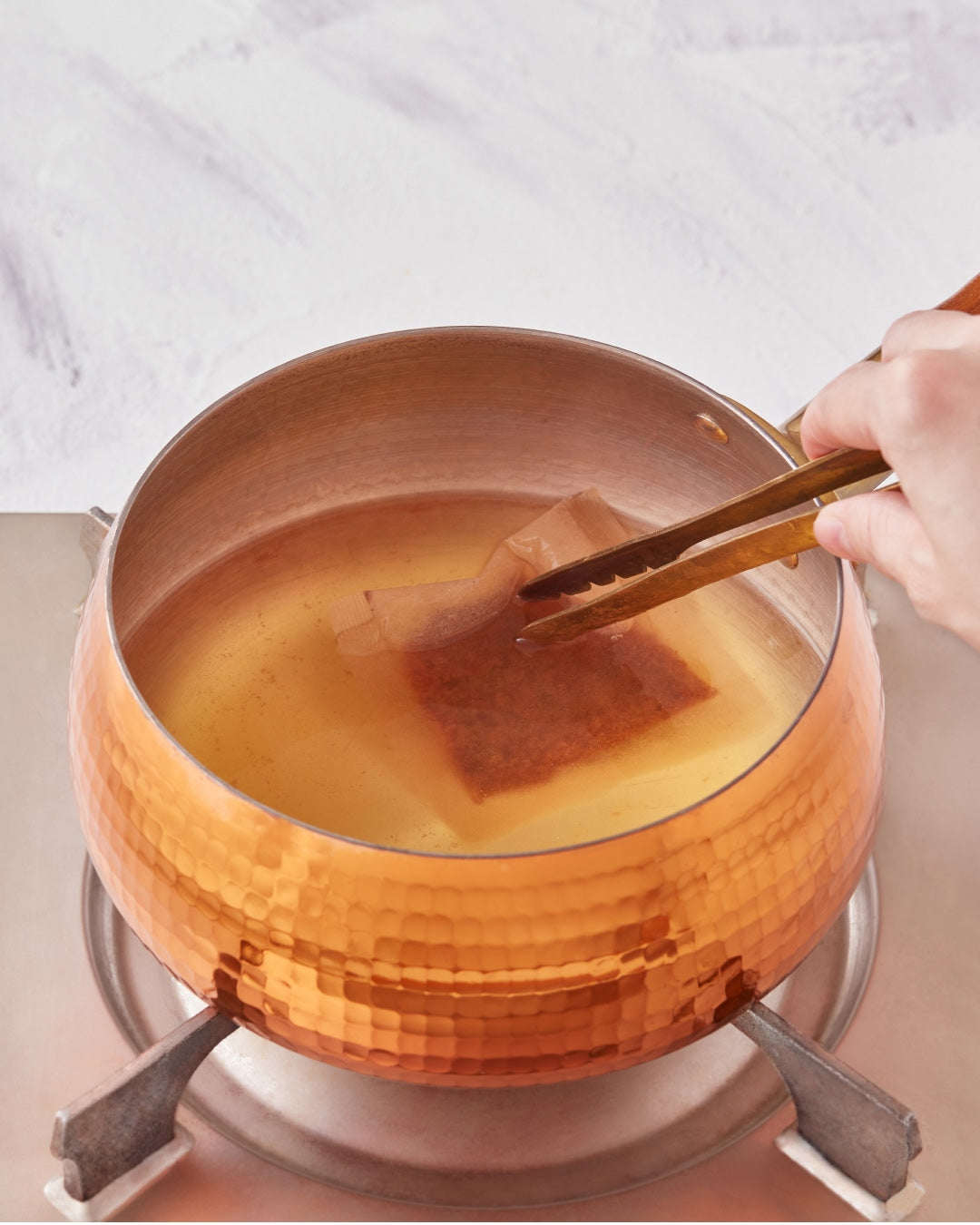
 Making Authentic Dashi Broth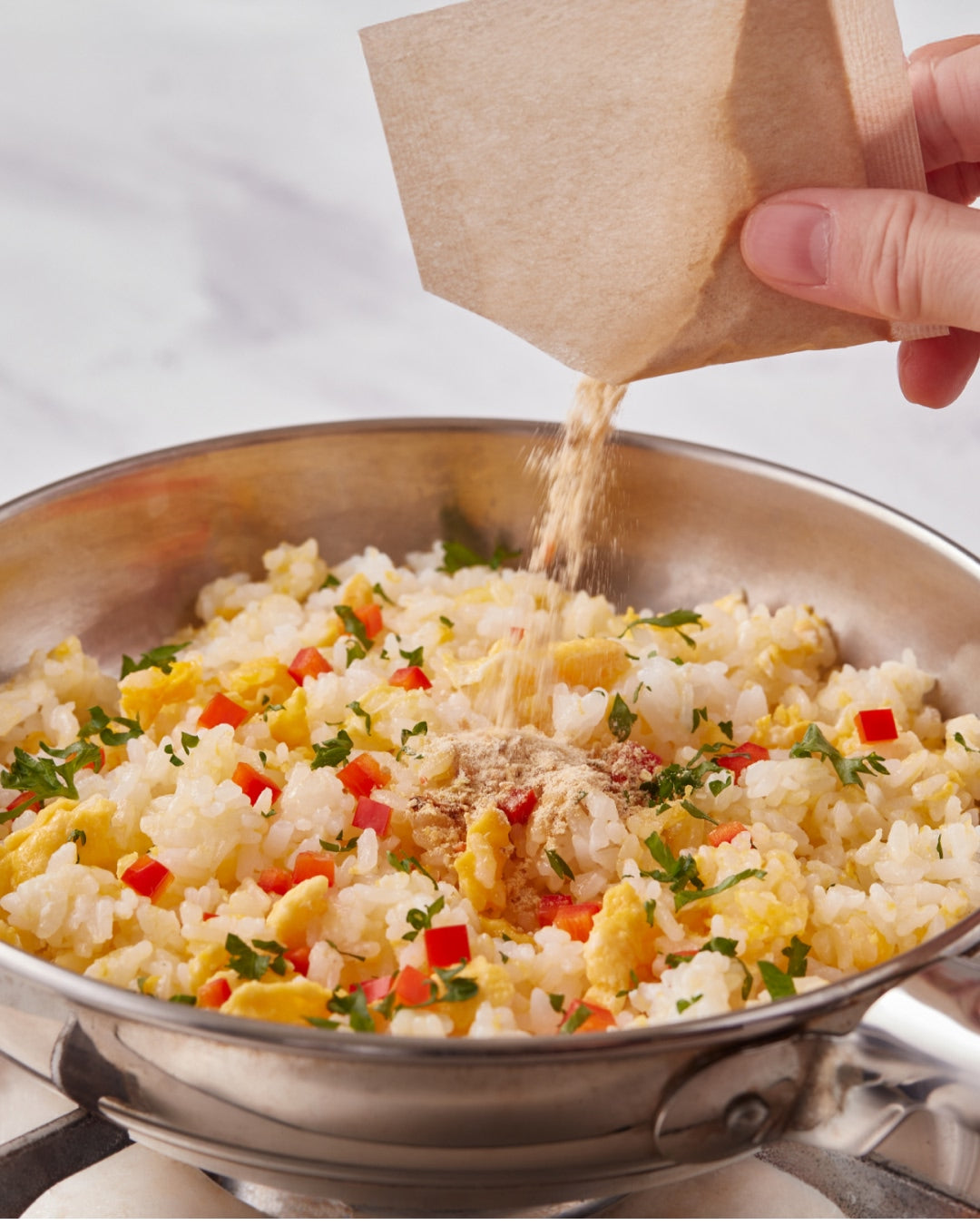
 Cooking with Dashi as a Seasoning


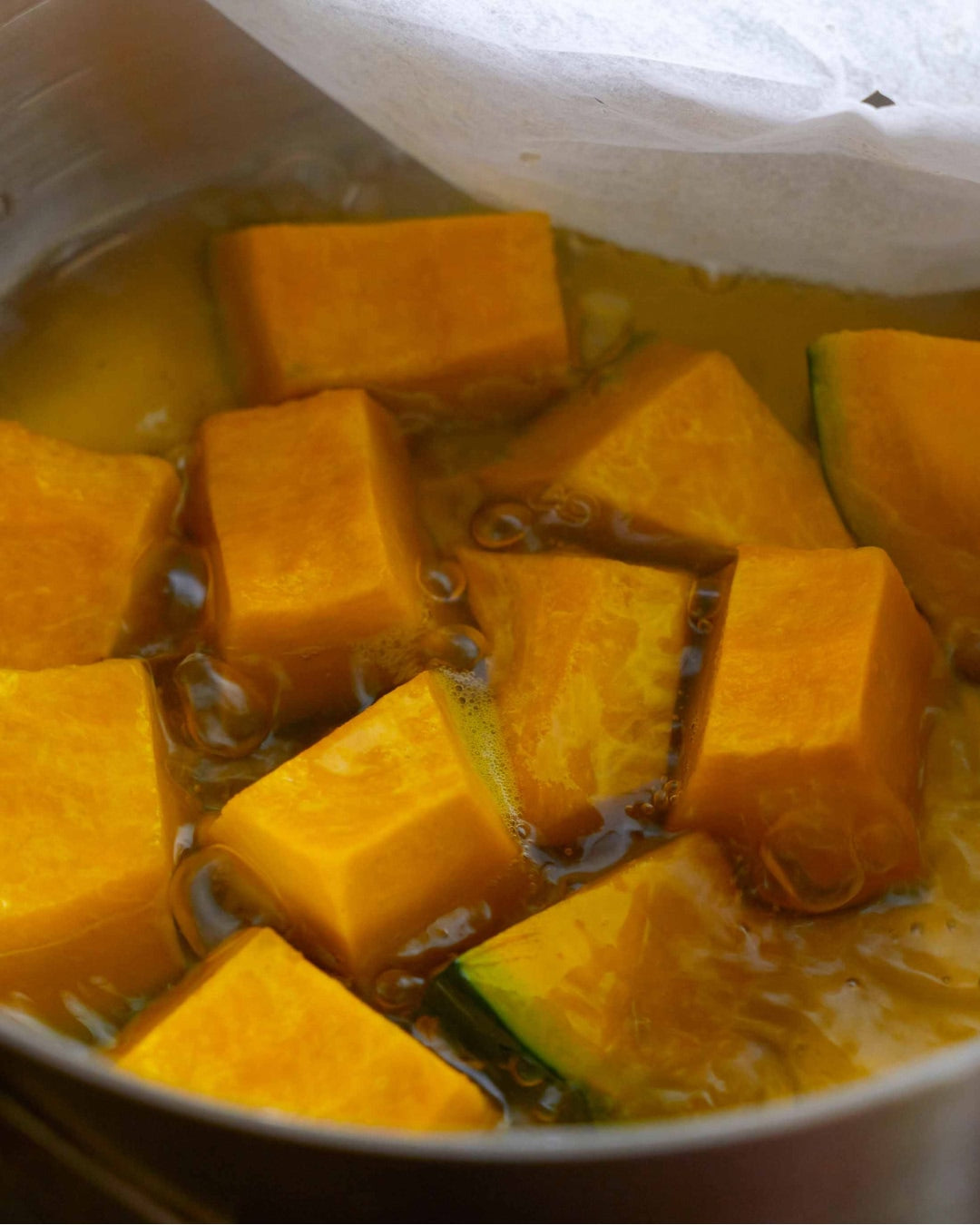











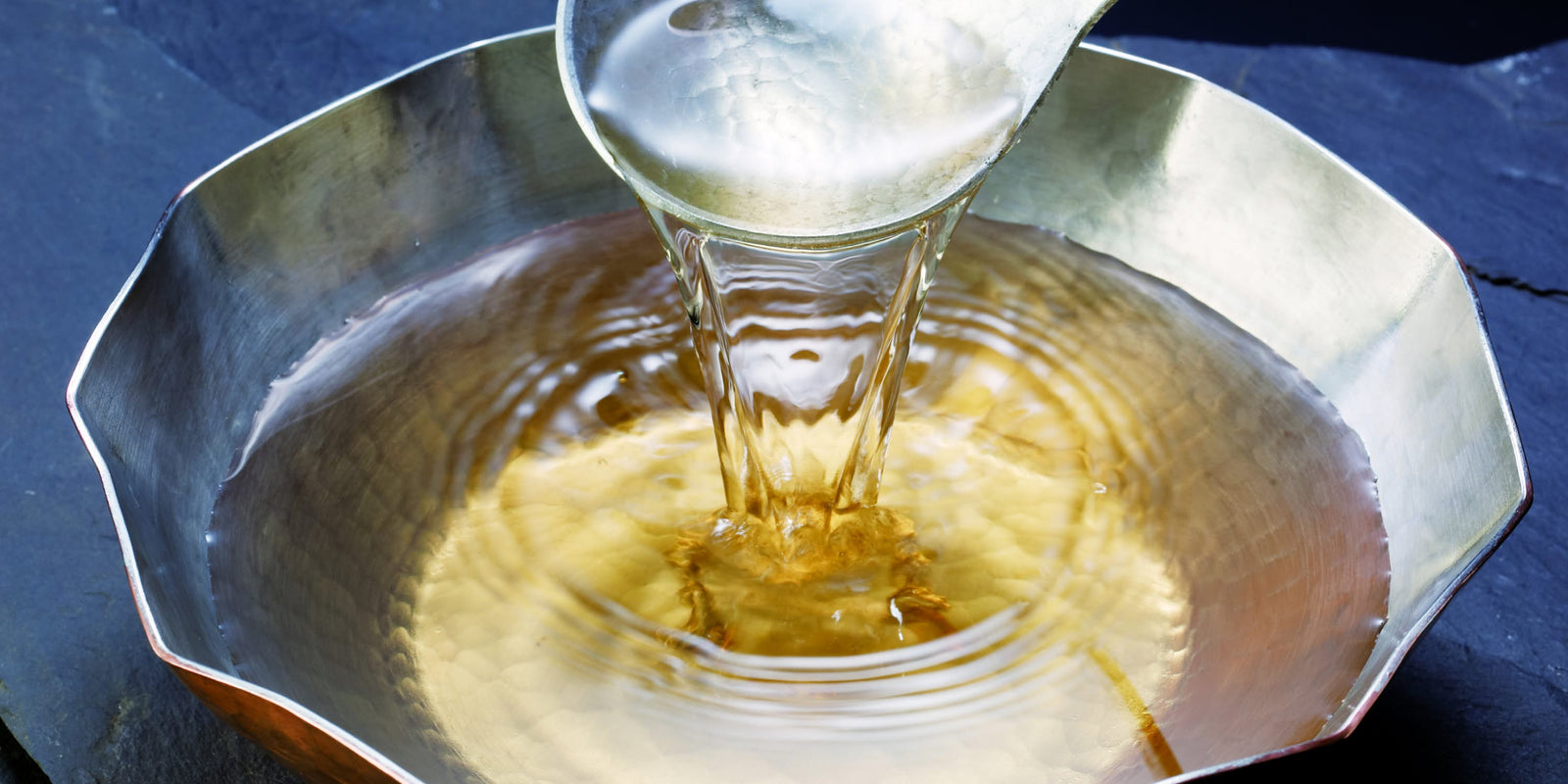

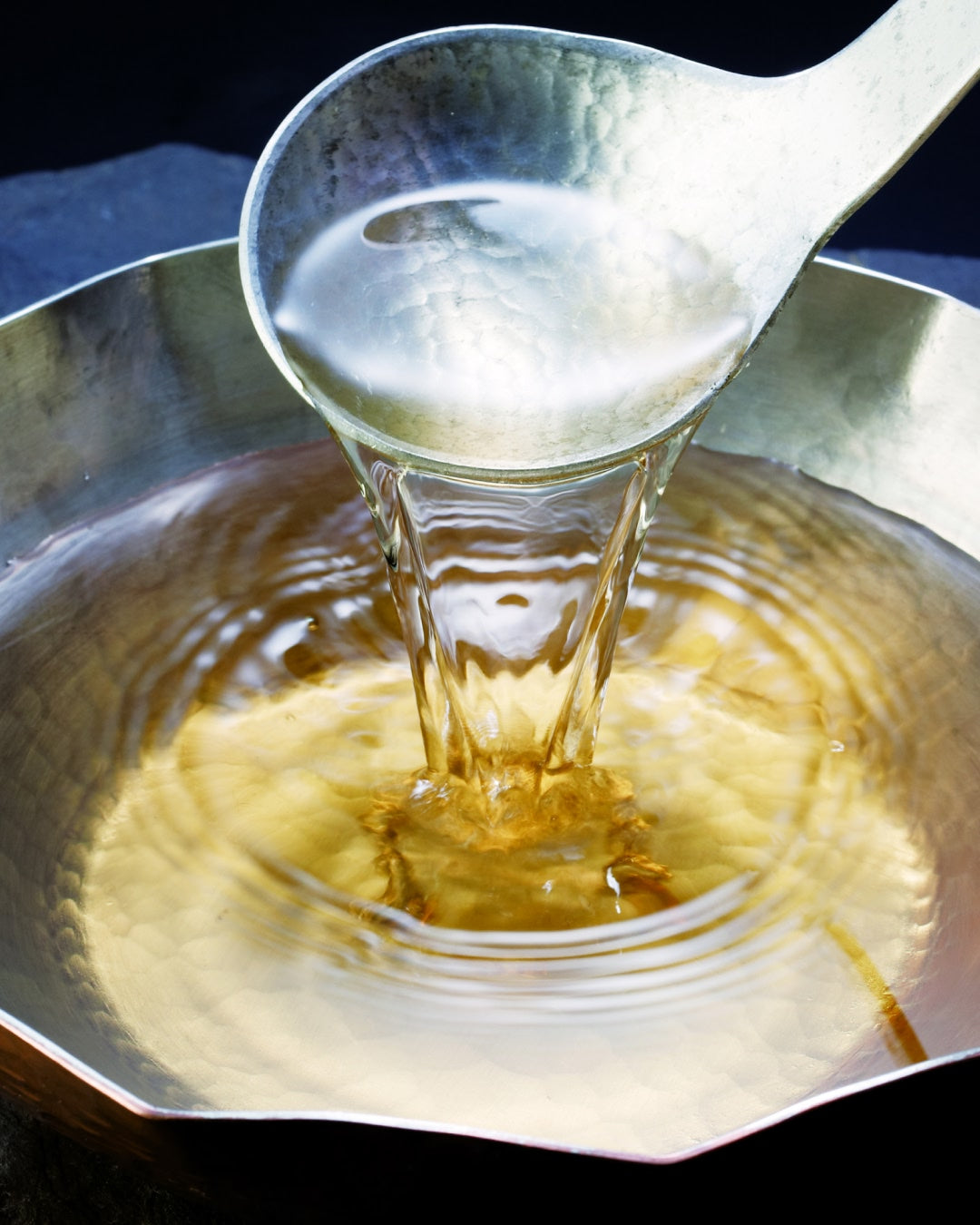

You may know that adding dashi makes dishes taste better, but you may not know why it plays such an important role in Japanese cooking. Whether you’re new to cooking with dashi or simply want to understand it better, this guide will walk you through the basics, from what dashi is to how to use it in everyday cooking.
What Dashi Brings to Your Cooking

Making dashi may sound like something reserved for serious Japanese cooking, but its purpose is actually quite simple: dashi adds umami to a dish.
Umami enhances the overall flavor of a dish. It brings out other tastes, such as saltiness and sweetness, while adding depth and making the dish more satisfying. In this way, dashi is the unsung hero of Japanese cooking. This is why adding dashi to dishes such as miso soup and nimono (Japanese simmered dishes) helps bring the flavors of the individual ingredients together into a more harmonious whole.
In other words, dashi is a piece of culinary wisdom passed down through generations. It connects the ingredients and brings out the best in each one, so that their flavors don’t simply add up—they multiply.
Umami: The Key to Flavor, Discovered in Japan

Umami was first identified by a Japanese scientist. Today, it is recognized around the world as the fifth basic taste, alongside sweet, salty, sour, and bitter—and is known by its Japanese name, “umami.”
But there isn’t just one source of umami. Kombu (kelp) and katsuobushi (dried skipjack tuna flakes), two essential ingredients in Japanese cooking, contain different umami compounds: glutamate and inosinate, respectively. When these two are combined, they create a synergistic effect that more than doubles the intensity of umami. This scientifically sound pairing remains a fundamental part of Japanese cooking today.
Many Ingredients Are Used for Dashi Across Japan

Beyond kombu and katsuobushi, dashi is made with a wide variety of ingredients across Japan. These include yaki-ago (roasted flying fish), which produces a rich, robust flavor; iriko (dried sardines); and dried shiitake mushrooms, which contain a third umami compound, guanylate. Shrimp, shellfish, and many other ingredients are also used to create distinctive types of dashi throughout Japan. More recently, blended dashi made by combining several of these ingredients has also become increasingly common.
Why Make Dashi? How It Differs from Ready-Made Seasonings

Mentsuyu (noodle soup base) and shiro dashi (a light-colored seasoned dashi) have become staples in Japanese cooking. But how are these seasonings different from dashi itself?
The first difference is the natural flavor of the ingredients. Unlike mentsuyu, which is already seasoned, freshly prepared dashi allows the flavor of the dashi ingredients themselves to come through more clearly.
The second difference is aroma. Ingredients such as katsuobushi and kombu each have their own distinctive aroma, which becomes especially fragrant when the dashi is freshly prepared.
The third difference is the freedom to adjust sweetness and saltiness to your liking.
The depth of umami, rich aroma, and flexibility to season a dish as you choose are what make preparing your own dashi so appealing.
Dashi Packets vs. Dashi Made from Whole Ingredients

What’s the difference between making dashi from scratch with whole ingredients and using a convenient dashi packet?
Dashi made from whole ingredients is prized for its clean, clear flavor and pure aroma. Ingredients such as kombu, iriko, and dried shiitake mushrooms are soaked in water and given time to slowly release their umami, resulting in a clear, deeply flavorful dashi. Katsuobushi, on the other hand, is shaved into thin flakes and steeped only briefly to bring out its full, distinctive aroma.
With dashi packets, the ingredients are finely ground, allowing you to prepare dashi in much less time. Because ingredients such as kombu and katsuobushi are already blended in balanced proportions, there’s no need to figure out how much of each to use. Some dashi packets also contain seasonings such as salt and soy sauce.
When you’re short on time, dashi packets offer an easy and convenient option. When you want to slow down and appreciate the delicate flavors of the individual ingredients, try making dashi from kombu or katsuobushi. You can choose whichever method best suits the occasion.
Beyond Making Dashi: Use the Packet as a Seasoning

Dashi packets can also be opened and used directly as a seasoning. Sprinkle the contents over stir-fries or fried rice, or massage them into vegetables in place of salt to make quick Japanese-style pickles.
Beyond making dashi, the contents can be used as a versatile Japanese-style seasoning in place of salt or spices. If you’re not sure how to prepare dashi from whole ingredients, or simply want to explore new ways to use it, this is an easy place to start.
Surrounded by the sea, Japan has long developed ways to make the most of seafood and other gifts of nature through dashi. Today, we know that this wisdom, passed down through generations, is also backed by science, while new and diverse types of dashi continue to emerge. We hope you’ll find an easy way to make dashi part of your everyday cooking.