





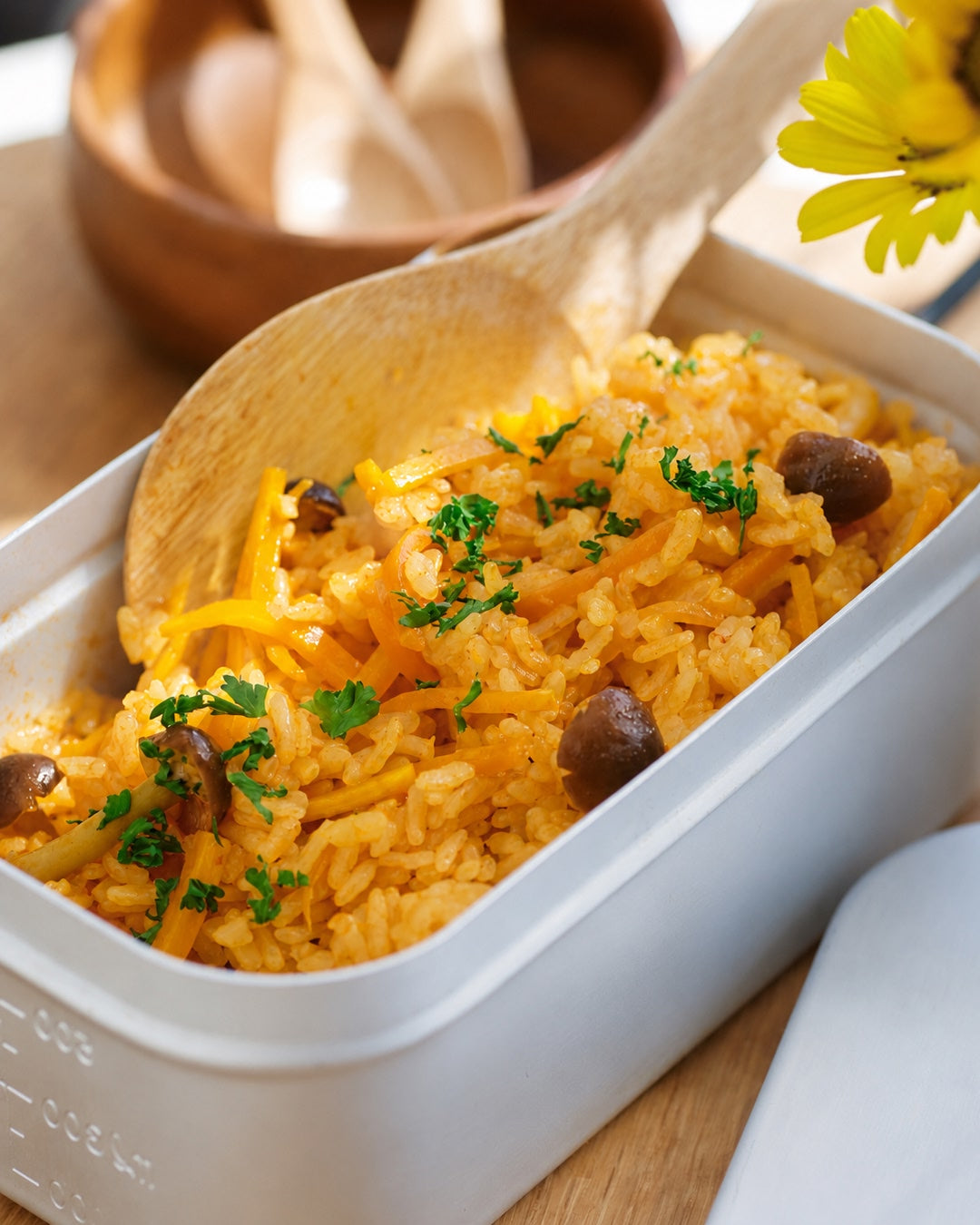
 Colorful Mushroom and Carrot Pilaf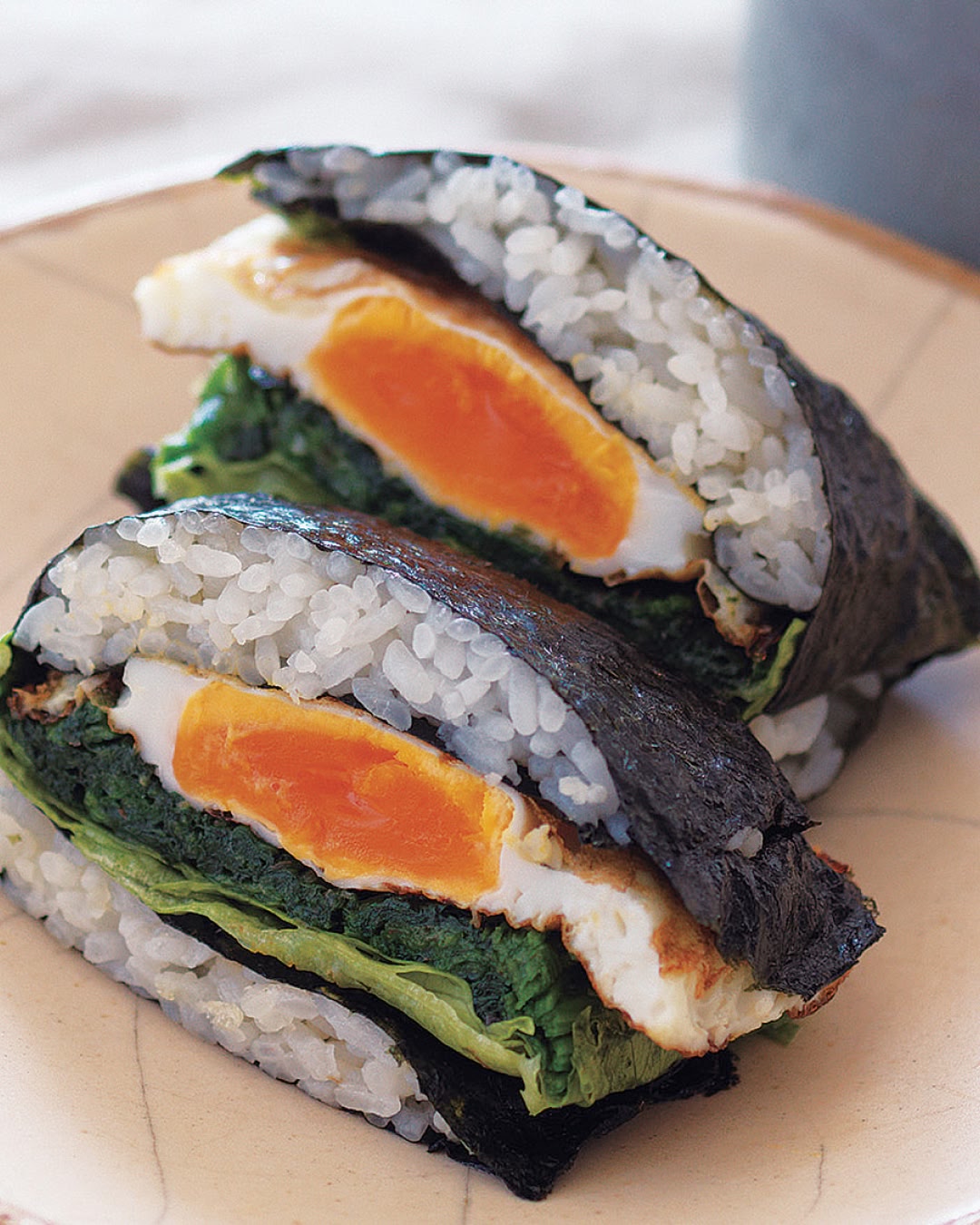
 Dashi Rice and Fried Egg Folded Onigiri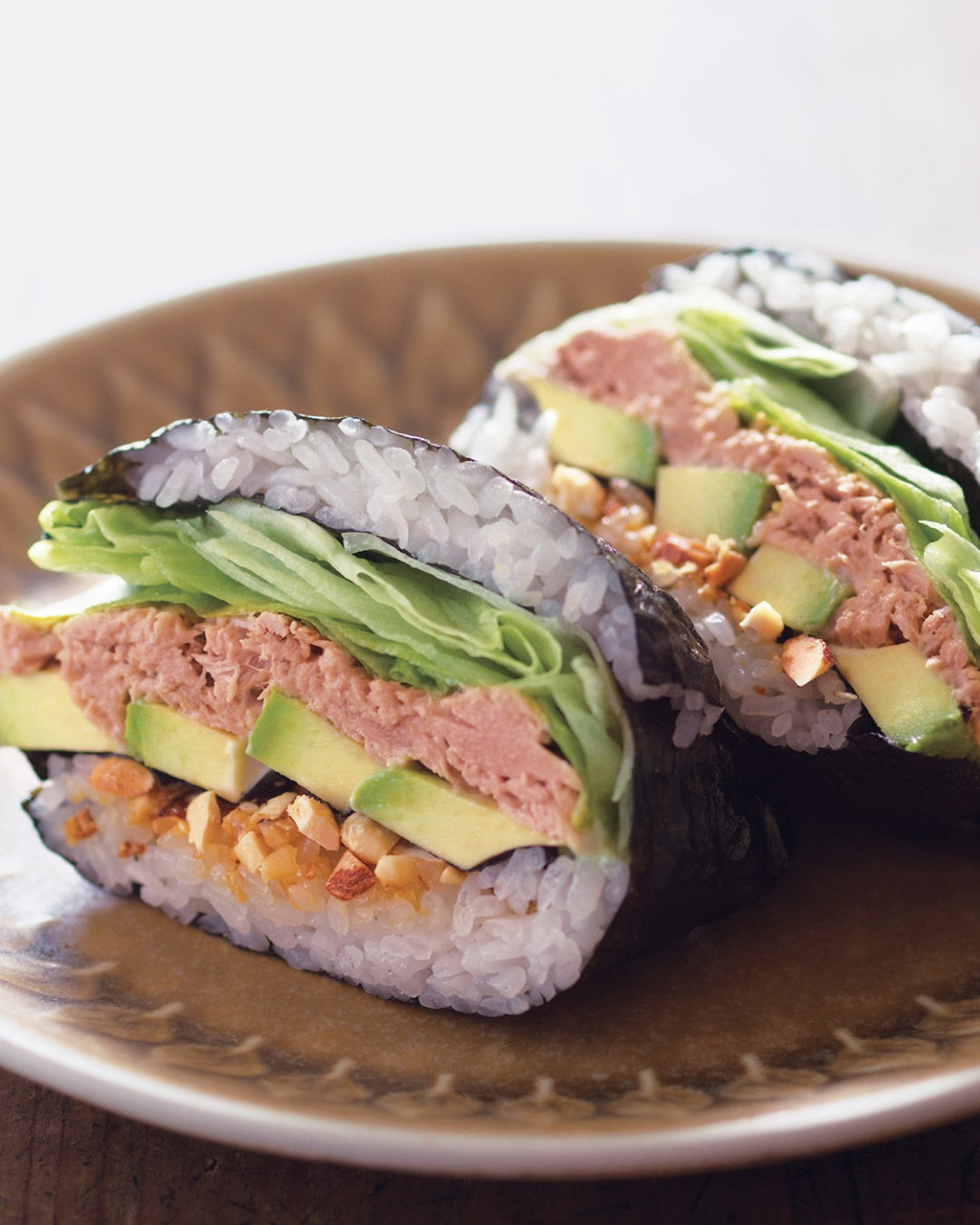
 Tuna and Nuts Folded Onigiri



What we call a “timeless recipe” is one that, once you learn it, you will want to keep making for the rest of your life.
If you can add such recipes, one by one, to your collection, it brings a buoyant feeling, as though moments of happiness, too, are growing—one after another.
A recipe that turns out perfectly, anytime and for any occasion.
One you can serve with complete confidence.
In this series, our recipes are created with three guiding principles:
- Keep the ingredients as simple as possible
- Use dashi and basic seasonings
- Incorporate fundamental Japanese cooking techniques
This time, we have chosen Kakuni (braised pork belly).
Because it uses a large block of meat, it is often thought of as a dish that requires great effort. In fact, however, it is a dish in which “time” does most of the work, bringing it to delicious perfection with surprisingly little hands-on effort.
Kakuni has a wonderfully celebratory feel. It plays an important role as a dish for entertaining—perfect for special family gatherings or when inviting friends over.
The highlight of pork kakuni is bringing a block of pork to a moist and tender finish. In this recipe, we introduce a unique preparation method that relies on the power of grated daikon radish to prepare the meat.
This time, we use Kayanoya Dashi to create a Japanese-style seasoning. Instead of the deeply seasoned sweet-and-savory style, this kakuni is light and delicately flavorful.


The key to kakuni is bringing meat so tender it gently falls apart. It is important to control the cooking so that it does not become dry or tough. You’ll also want the balance of fat to be just right.
By using grated daikon, the meat becomes tender while excess fat is removed. With this method, even first-time cooks can succeed without failure.
This time, let us aim for a refined kakuni.
Steps for Making Pork Kakuni
The process of making pork kakuni can be broadly divided into the following three steps:
- Let the meat rest
- Boil
- Simmer
With 30 minutes the day before and 2 hours on the day of cooking, you can prepare this dish.
That said, very little of that time requires active work. While the pot is on the heat, you are free to cook other dishes or prepare for the meal.
Key Points for Making Pork Kakuni
- Use grated daikon to tenderize the meat and remove excess fat
- Boil for 1 hour and 30 minutes; simmer for 20–30 minutes
Common Mistakes
It is a dish where common failures include overboiling the meat until it becomes dry, or ending up with a greasy broth with fat floating on the surface.
That is precisely why we encourage you to use grated daikon. There is no need to remove excess fat after cooking, and you won’t have to worry about an overly greasy finish.
Let’s go through the cooking steps while keeping these tips in mind to ensure the most delicious results.


Ingredients (Serves 4)
- 1.3–1.5 lb. (600–700 g) pork belly block
- ½ daikon radish, grated
- [A] 1 packet Kayanoya Original Dashi Stock Powder
- [A] 1 2/3 (400 ml) water
- [B] 4 tbsp sugar
- [B] 2 tbsp sake
- [B] 3 tbsp soy sauce
Instructions
- Place the pork in a tray, cover it completely with grated daikon, and refrigerate overnight.
- In a pot, add plenty of water and the pork from step 1 along with all the grated daikon and its juices. Bring to a boil over high heat. Once boiling, reduce to medium heat and boil for about 1 hour and 30 minutes.
- Remove the pork from the pot, rinse off the grated daikon under gentle running water, and cut into 3cm-thick pieces.
- In a pot, add [A] and bring to a boil over high heat. Once boiling, add the pork from step 3, along with the sugar and sake from [B], and simmer for about 3 minutes. Then add the soy sauce. Place a drop lid on top and simmer over medium heat until the cooking liquid has reduced by half.
Optional: Serve with boiled spinach and Japanese mustard if desired.
1) Rest Overnight with Grated Daikon to Tenderize and Remove Fat


By marinating the pork overnight in grated daikon, the enzymes in the daikon radish tenderize the meat. It also helps to mellow the pork’s distinctive odor and flavor.
Cover the meat generously with grated daikon, wrap tightly, and refrigerate overnight.

As a guideline, use about 1/2 a daikon radish for 1.3–1.5 lb. pork.
During the winter months, daikon is at its peak and easy to find, which makes it a wonderful ingredient for simmered dishes.
If you wash the surface well, you may grate the daikon with the skin on.


Place the pork into a pot filled with plenty of water, and add all the grated daikon and its juices as well.
2) Boil for 1 Hour and 30 Minutes

Regardless of the size of pork, 1 hour and 30 minutes is the standard boiling time.
The grated daikon even helps remove impurities (scum). For most of this time, you can simply let the pot do the work.


After boiling, the pork becomes extremely tender— so tender it almost gives way —and wonderfully bouncy.

The texture is moist and glossy.


Place the pork in a bowl of water and rinse off the grated daikon.
Then cut into your preferred size. Slightly larger pieces highlight the appeal of cooking with a whole block of meat.
3) Simmer for 20–30 Minutes
Although kakuni is often thought of as a dish that requires long simmering to absorb flavor, pork that has been carefully boiled beforehand needs only 20–30 minutes of simmering.
Because excess fat has already been removed, even a short simmer allows the meat to fully absorb the seasonings.


Seasoning should highlight the flavor of the dashi.
Following the fundamentals of Japanese cuisine, add the seasonings in order, beginning with sugar, so the flavors penetrate the meat thoroughly.
Add 4 tablespoons of sugar and 2 tablespoons of sake to the dashi. Once the sweetness has infused the pork, add 3 tablespoons of soy sauce. Place a drop lid on top and simmer over medium heat until the liquid reduces by about half.
Turn the pork occasionally so the flavor penetrates evenly.


Your Timeless Japanese dish, Pork Kakuni, is now complete.

Remarkably moist and tender, with a light flavor, this kakuni is perfect for winter entertaining. Adding ginger or garlic during simmering offers a different variation in taste.
We hope this dish will find its place on your table.
Tip 1: An Easier Way to Grate Daikon

Grating daikon can be difficult as it tends to wobble. Place a damp cloth under your tray to keep it from moving and increase stability. Using a flat tray rather than a rounded bowl also helps keep it steady. Move only the hand holding the daikon as you grate.
Tip 2: Turn Mustard Upside Down to Enhance Its Aroma


The Japanese mustard served with kakuni can also be made more aromatic with a small trick. After dissolving mustard powder in water, turn the container upside down and let it rest for a while. This prevents the mustard’s natural pungency from escaping and enhances the fragrance of the mustard.
Recipe Creator
The recipes in this series are developed by Yoko Yamada, who has deep knowledge of Japanese cuisine.
“Pork kakuni is said to have originated from the Chinese dish Dongpo Rou, which was introduced to Japan and became beloved as a Japanese dish. It is a dish that allows you to fully enjoy the richness of pork fat, but by using daikon, it becomes a lighter, more distinctly Japanese-style kakuni. Since the process simply involves resting in the refrigerator, boiling, and simmering, you can make delicious kakuni without mishap.

Yoko Yamada – Food Stylist
Active contributor to Kayanoya’s quarterly magazine Temahima. Holds the title of Professor in Edo Kaiseki Kinsaryu cuisine. With deep knowledge and skill in Japanese culinary techniques and etiquette, she creates recipes that are approachable for home cooks while maintaining the beauty and delicate flavors of Japanese cooking.