





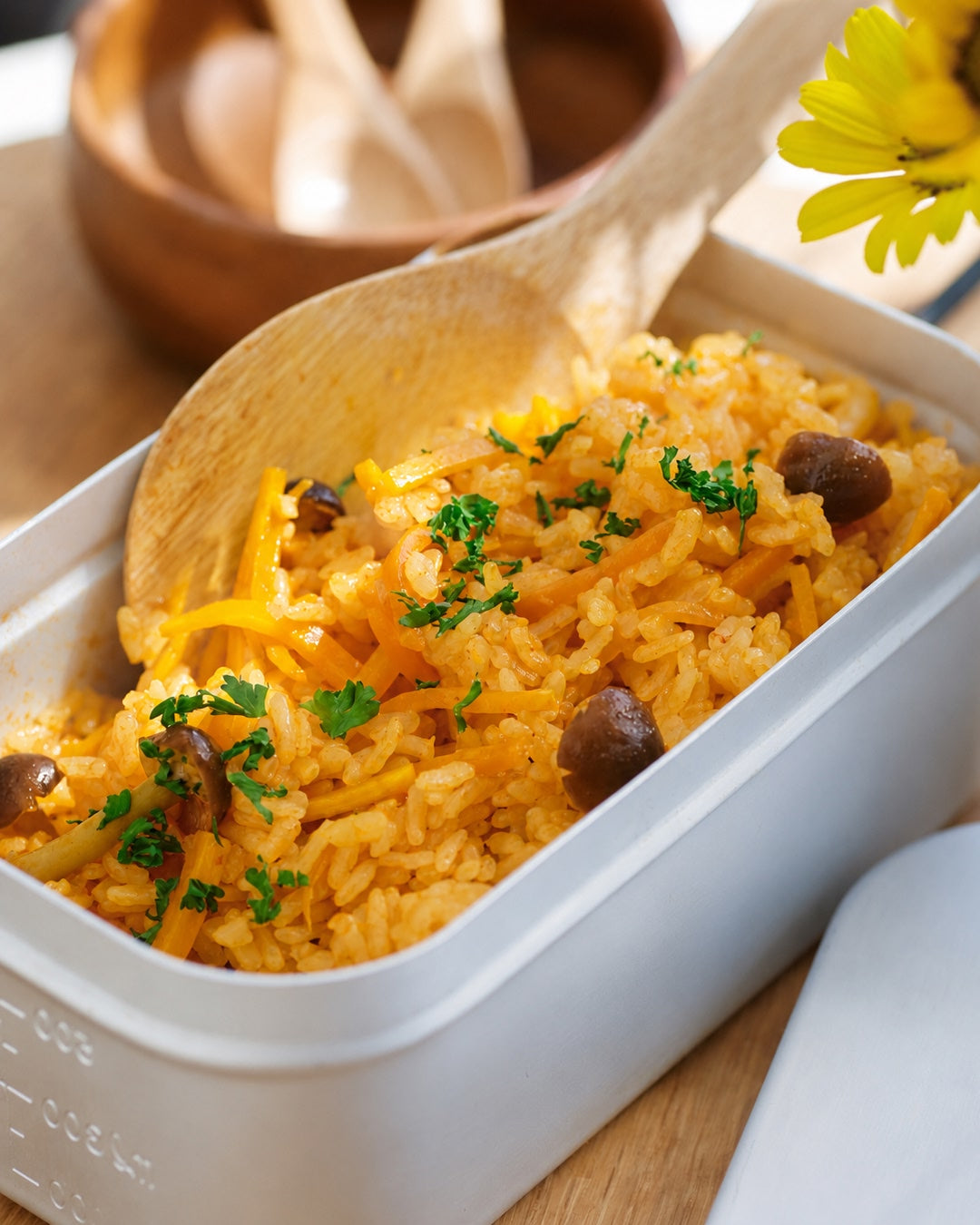
 Colorful Mushroom and Carrot Pilaf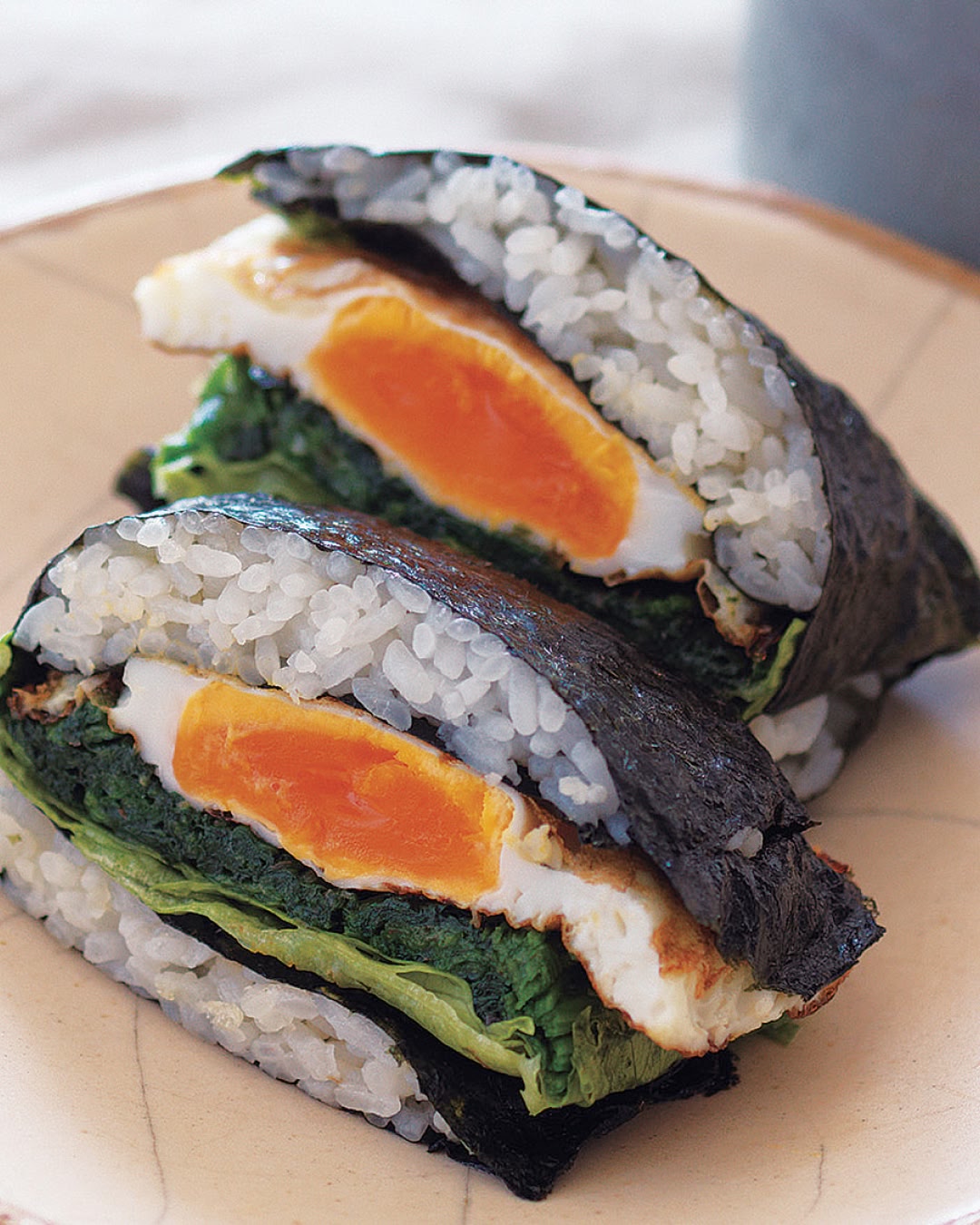
 Dashi Rice and Fried Egg Folded Onigiri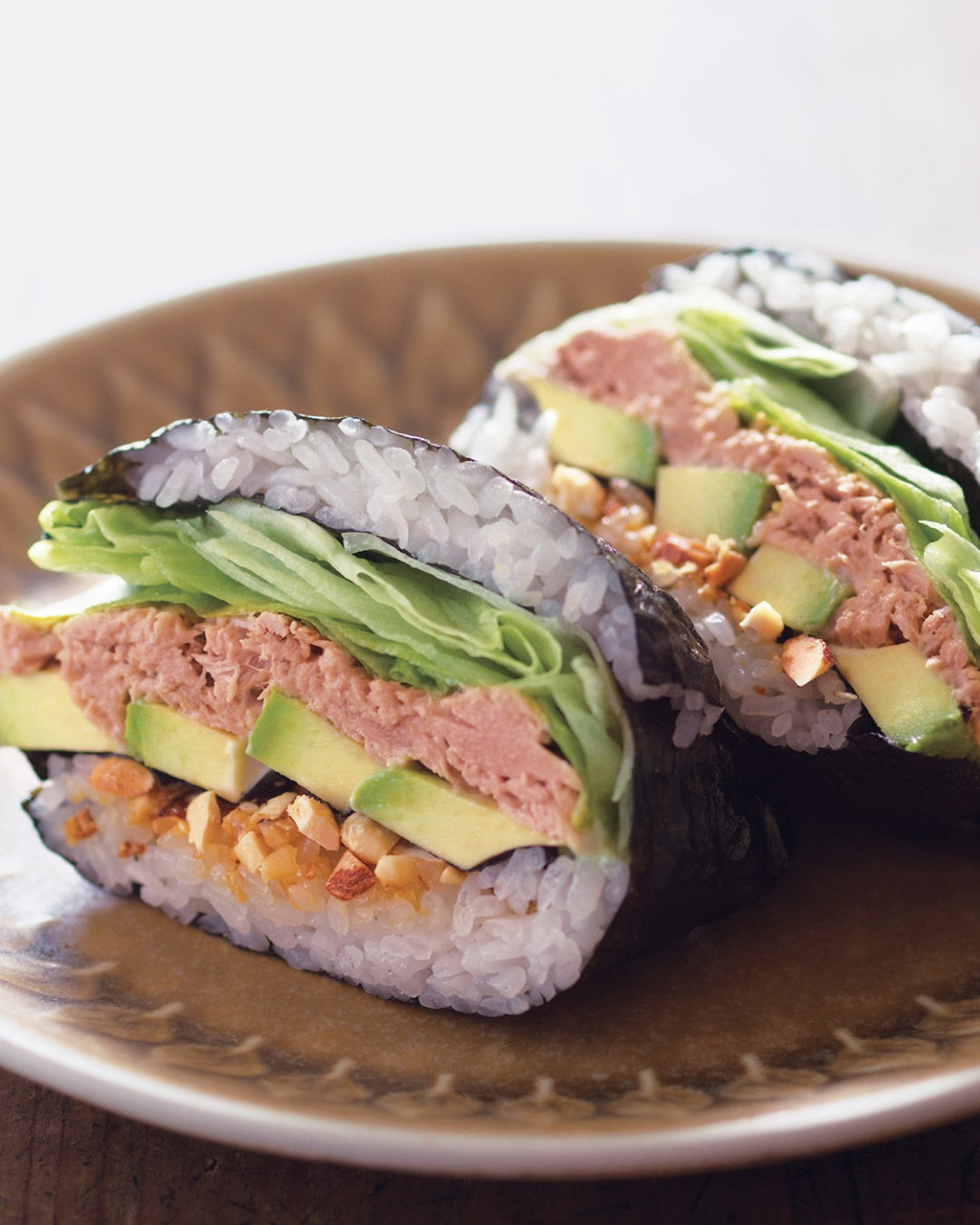
 Tuna and Nuts Folded Onigiri


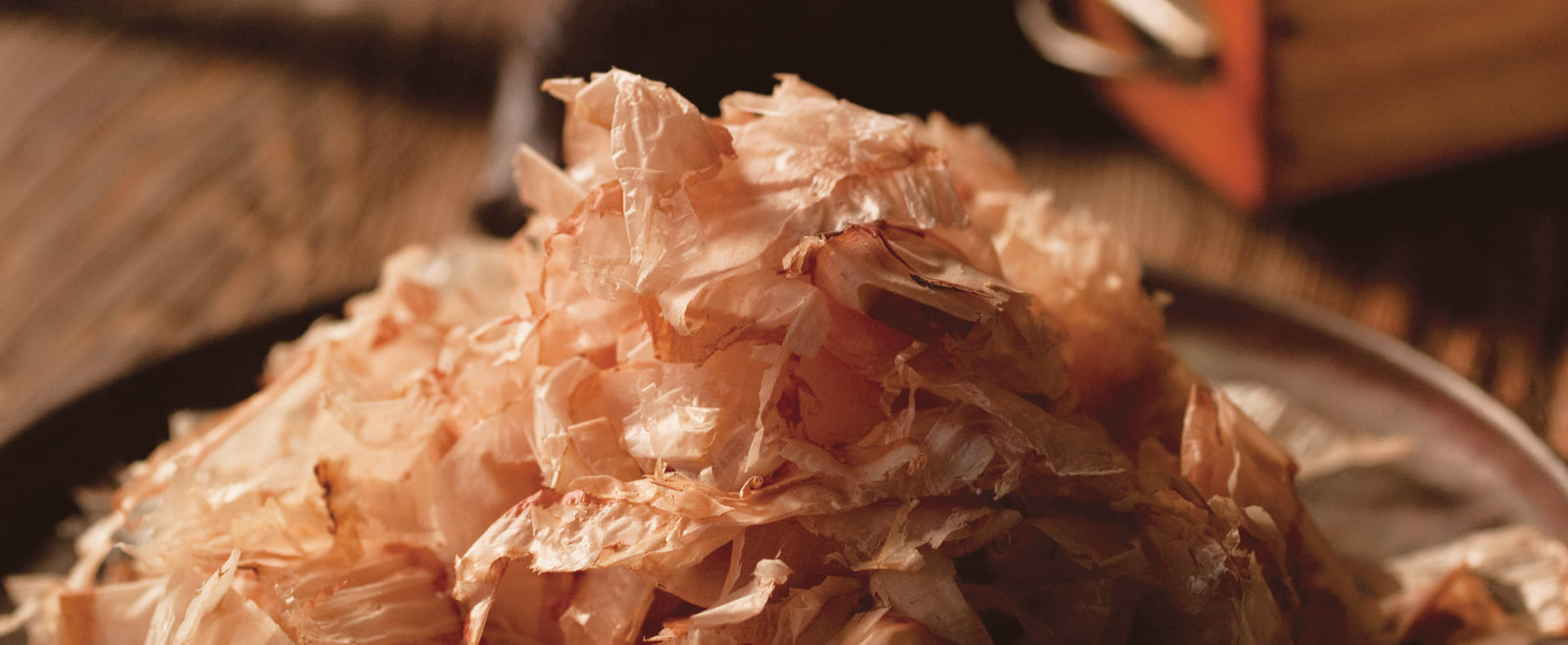

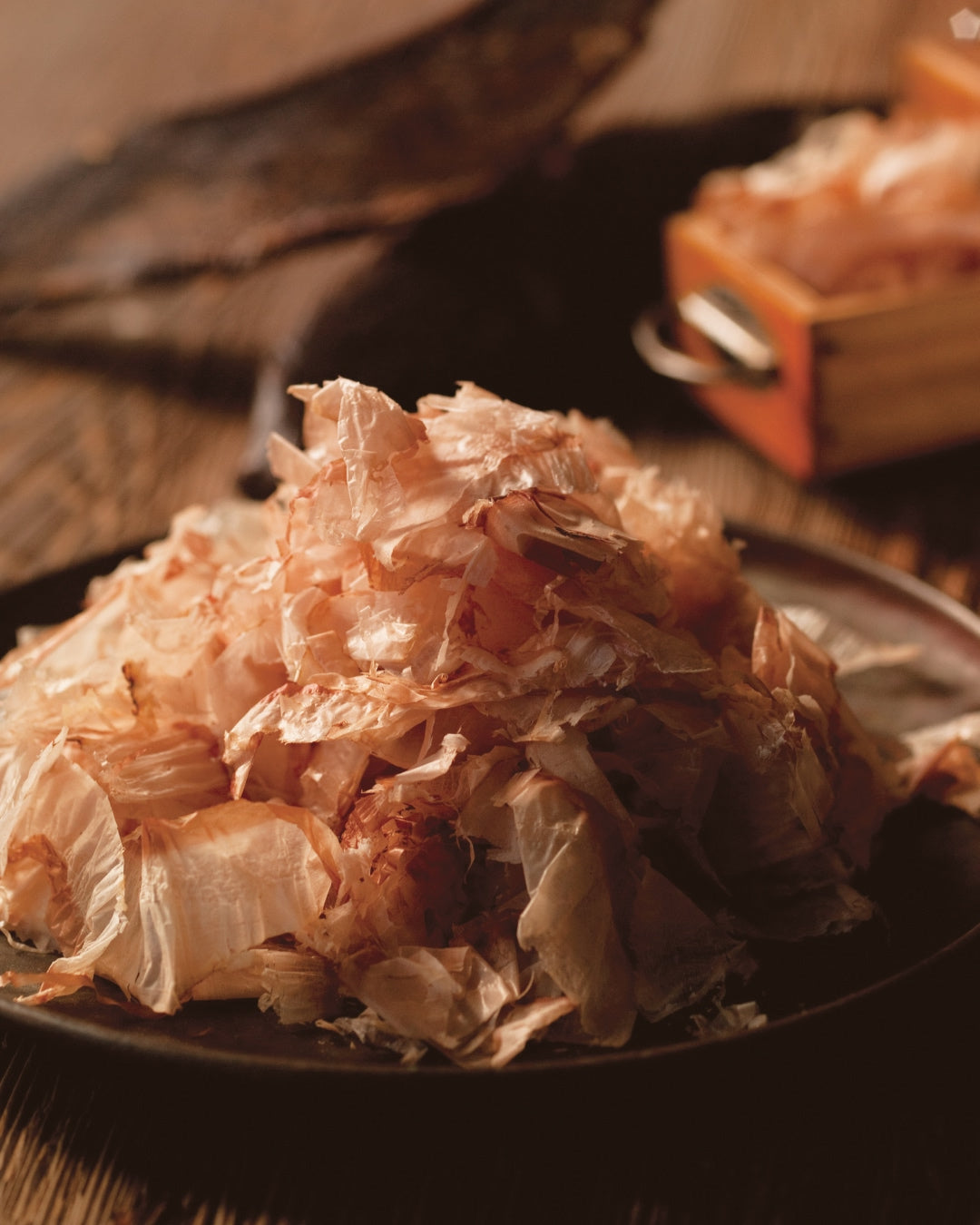

Slowly crafted to enhance umami — skipjack tuna flakes that perfectly complement flying fish

Just like ago (flying fish), skipjack tuna used for katsuobushi is best when the flesh is firm and low in fat. From the freshly caught fish, those of an appropriate size are selected, filleted, arranged in baskets, then simmered and cooled. After carefully removing the bones, the fillets are smoked and dried with heat. Over many days, moisture is gradually removed, allowing the characteristic aroma of katsuobushi to develop and its umami to be fully drawn out.
This process produces arabushi, an initial form of katsuobushi, which plays an important role in Kayanoya Dashi. It is then further fermented with mold and dried again to create honkarebushi, a more refined form of katsuobushi that yields an especially high-quality broth. At Kayanoya, this is used in Kayanoya Ultra-Premium Dashi Stock Powder. By taking the time to process it slowly, the umami of the skipjack tuna intensifies. It pairs exceptionally well with the umami of ago, resulting in a truly delicious dashi.
Clear, elegant broth comes from ma kombu. Kombu umami is also essential.

Most kombu is harvested in Hokkaido, Japan’s northernmost island, and its characteristics vary depending on the region. There are four main varieties: ma kombu, rausu kombu, rishiri kombu, and hidaka kombu.
Kayanoya Dashi uses ma kombu, known for producing a clear and refined broth. Meanwhile, rishiri kombu, harvested in the northernmost seas of Hokkaido, has a firm texture and does not cloud the broth, making it a favorite in Kyoto’s fine dining establishments. At Kayanoya, it is used in products such as Kayanoya Ultra-Premium Dashi Stock Powder and Kayanoya Original Kelp Stock Powder.
The umami of kombu comes from glutamic acid. When combined with the inosinate found in katsuobushi, roasted ago, and urume iwashi (round herring), the umami multiplies, creating an exceptionally rich and delicious dashi.
Urume iwashi is a powerful supporting ingredient that enhances the deliciousness of dashi.

While it may not receive as much attention as katsuobushi, the umami and richness of smoked and dried urume iwashi are essential to Kayanoya dashi.
Once landed, the fish are simmered in large kettles. After cooking, they are slowly smoked and dried over time, carefully locking in their umami.
Like katsuobushi, urume iwashi contains inosinate, a key umami component. It plays a vital supporting role, enhancing the overall flavor of the dashi from behind the scenes.