




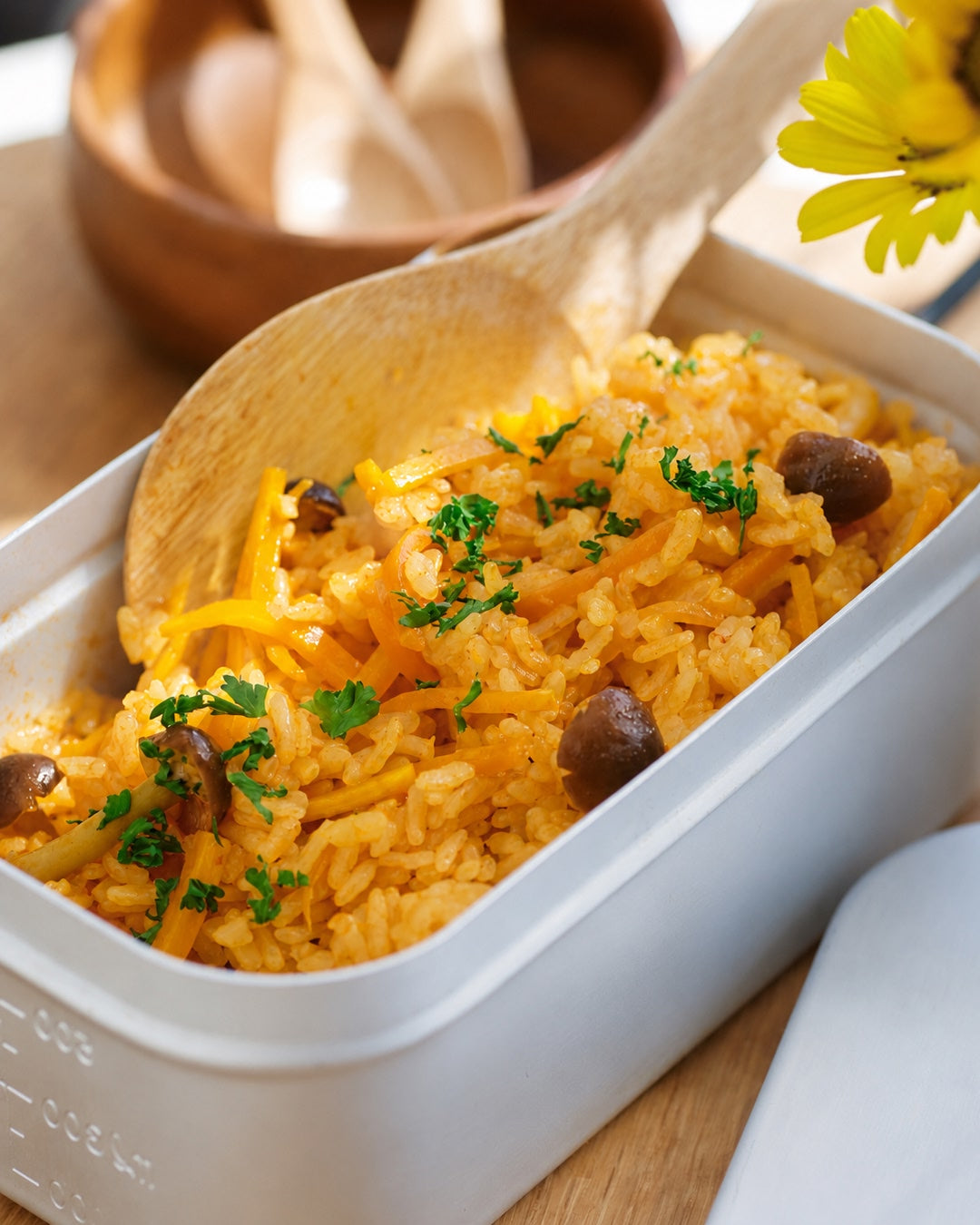
 Colorful Mushroom and Carrot Pilaf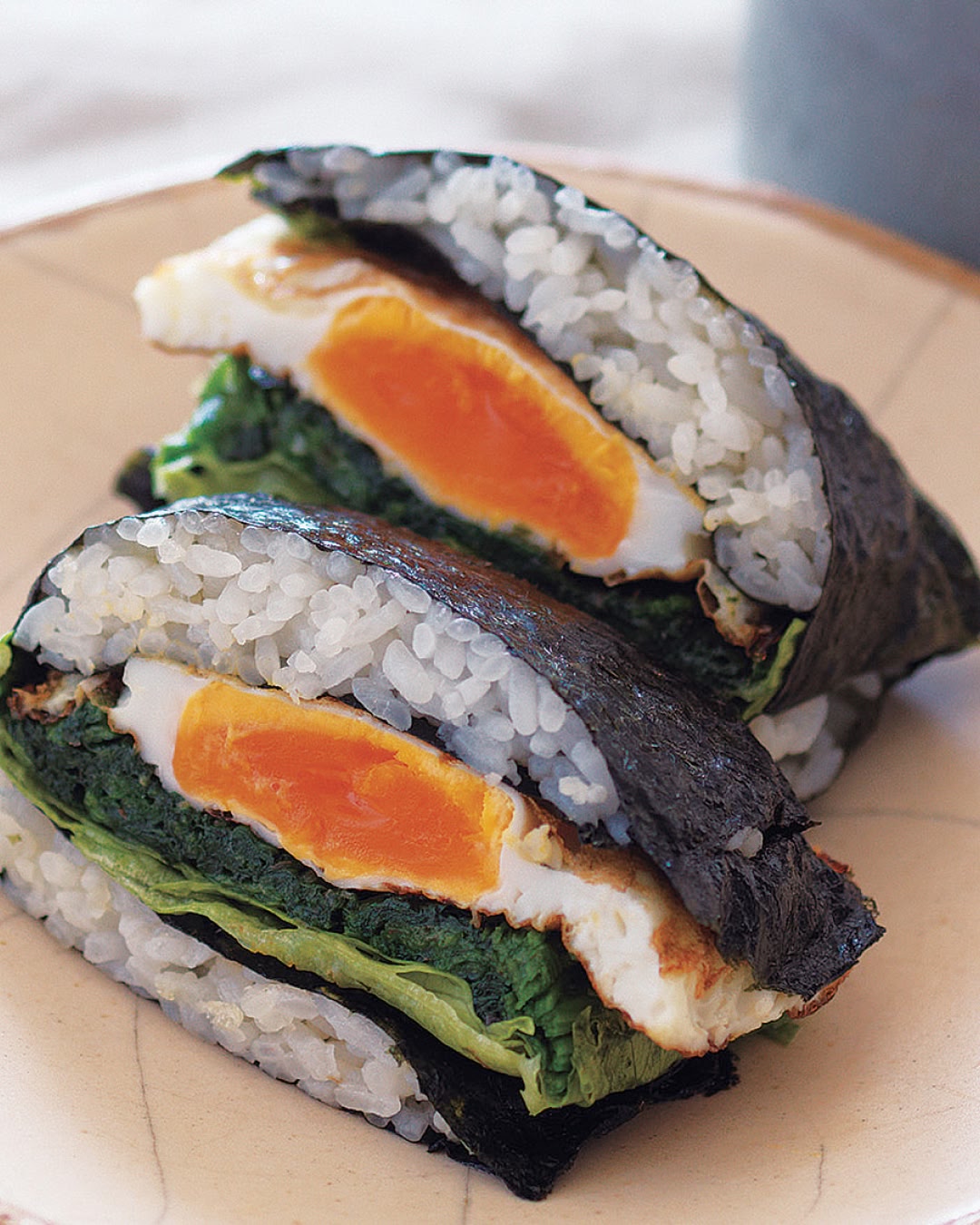
 Dashi Rice and Fried Egg Folded Onigiri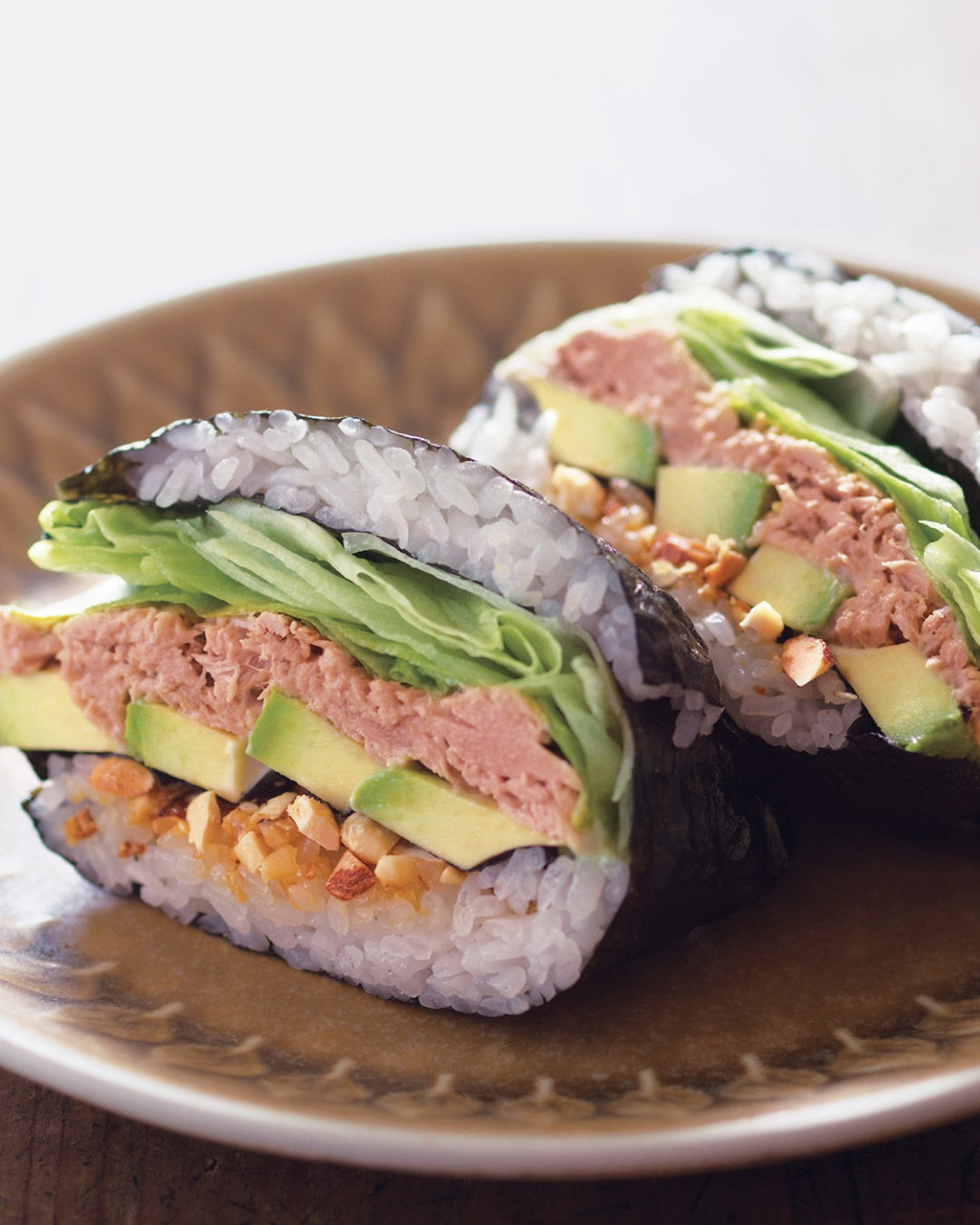
 Tuna and Nuts Folded Onigiri



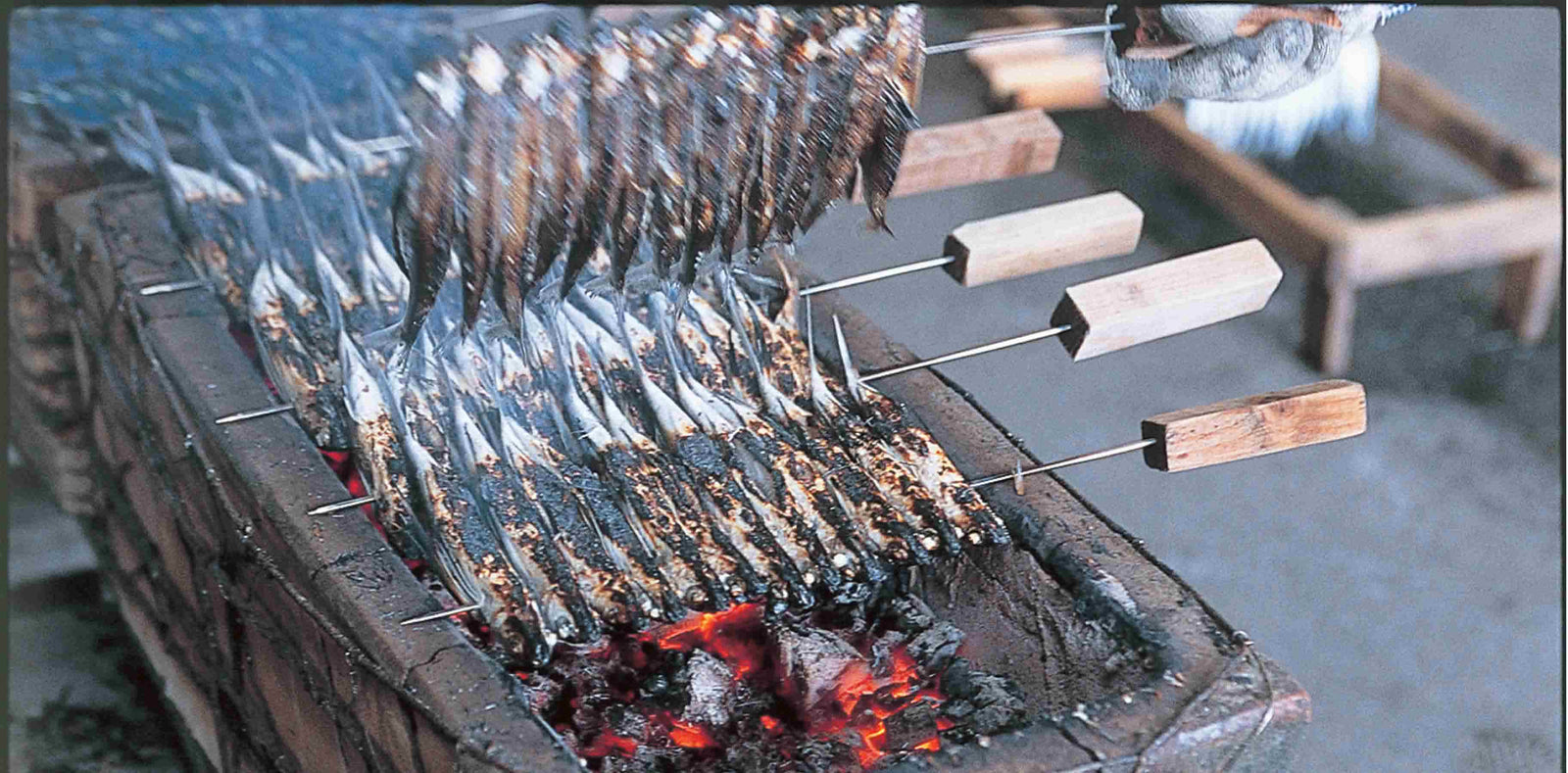

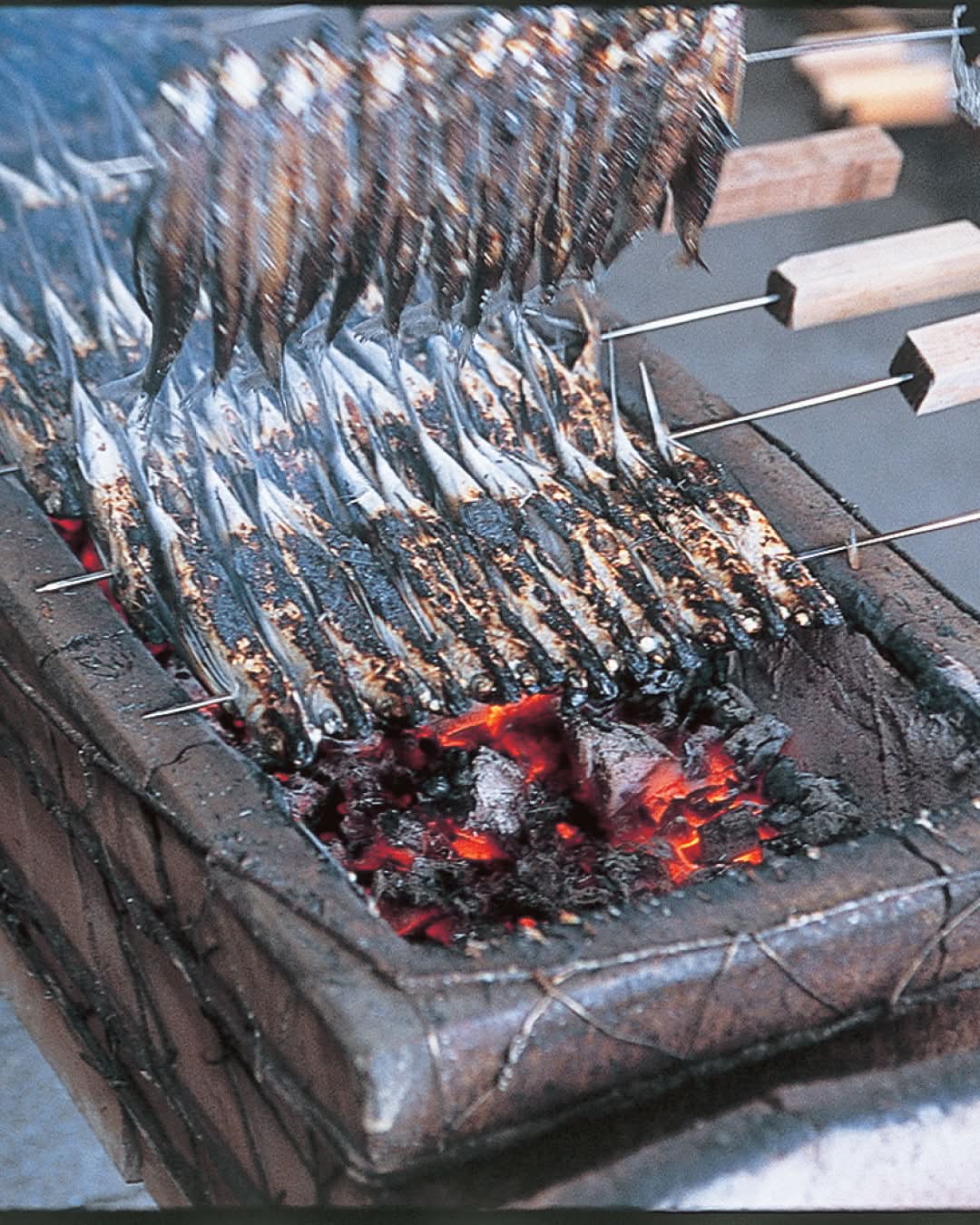

Yaki-ago is made by roasting freshly caught flying fish until fragrant. In contrast, niboshi (dried sardines) are made by simmering fish like sardines and then drying them—as the name “ni-boshi” suggests, meaning “boiled and dried” in Japanese. Ago, however, is roasted before being dried.
Roasting not only concentrates the fish’s umami, but also adds a rich, toasty aroma. As it cooks, excess fat drips away, and by roasting both sides thoroughly, even the innards are well cooked, reducing bitterness. The result is a refined, clear dashi with minimal off-flavors. Once roasted, the flying fish is carefully dried to complete yaki-ago.


Even today, you can still see scenes of flying fish skewered and roasted over charcoal in fishermen’s homes.
By layering the tail fins, they prevent them from burning off, ensuring a clean, even finish.
Ago dashi is refined and deeply flavorful. We hope you’ll experience its deliciousness.

Hakata-style ozoni: a hearty soup made with ago dashi, generously topped with yellowtail and kamaboko (fish cake)
For Tetsuji Kawabe, president of Kayanoya, ago is also an ingredient he is particularly committed to.
“In Hakata, we eat Hakata-style ozoni for New Year’s, made with dashi from roasted ago, and I absolutely love it. Ago dashi has a refined umami and a quietly deep, lingering flavor. I believe ago dashi forms the very foundation of Kyushu’s food culture, a region in southern Japan where Kayanoya is based. I want people around the world to experience this taste. I want to share Kyushu’s food culture. That simple desire is what led me to focus so strongly on ago when developing our dashi.”
At the same time, he admits he was unsure whether ago dashi would be accepted beyond Kyushu. Contrary to expectations, however, its popularity gradually grew. Before long, an ago dashi boom had spread across Japan.

Sun-drying, a traditional method still seen today in regions where ago is caught.
This differs from Kayanoya’s yaki-ago production process.
Ago dashi pairs well with ingredients such as katsuobushi (skipjack tuna flakes) and kombu (kelp). When used together, their umami creates a synergistic effect, resulting in an even richer flavor. This balance is what gives Kayanoya its distinctive character and its truly memorable taste.