





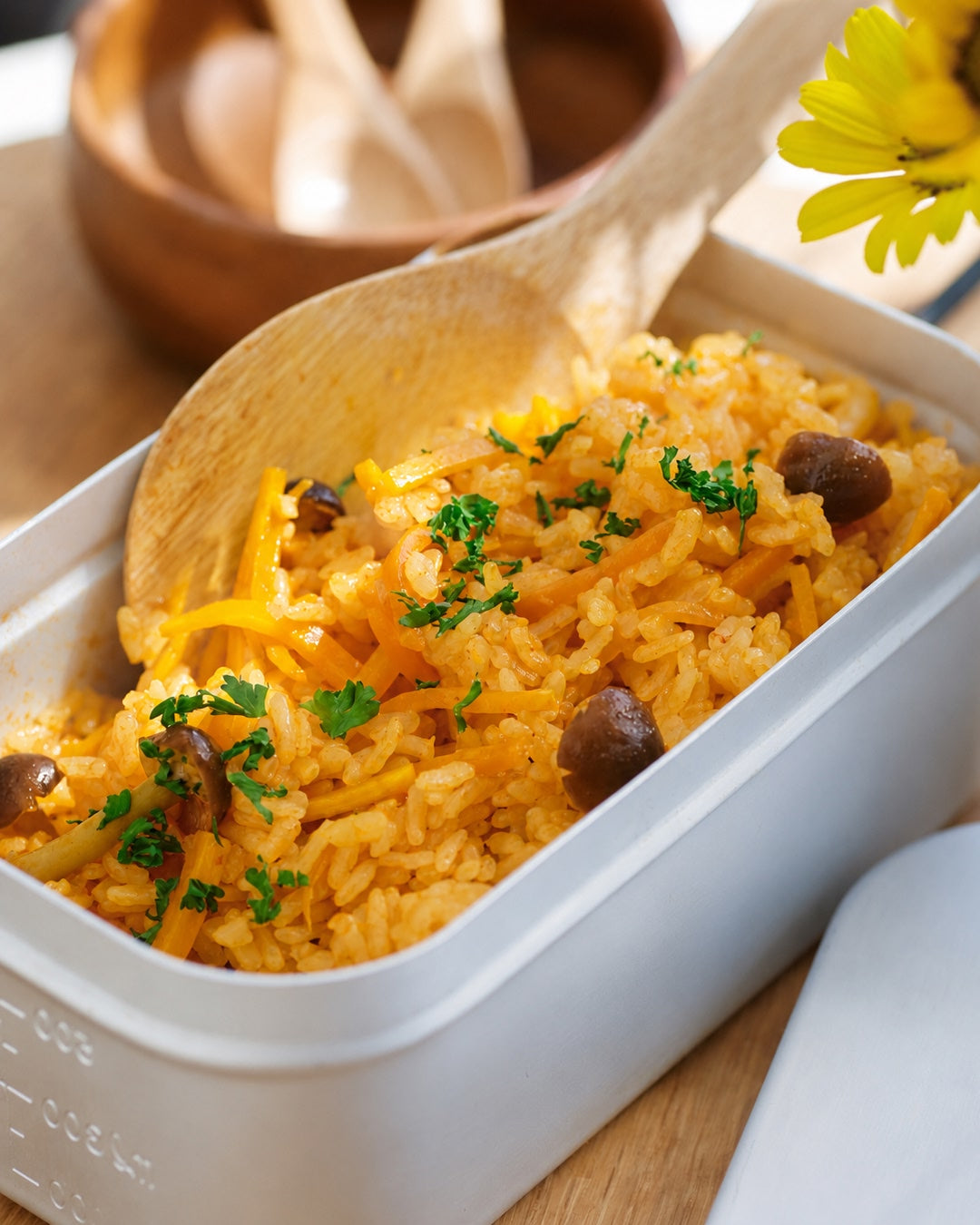
 Colorful Mushroom and Carrot Pilaf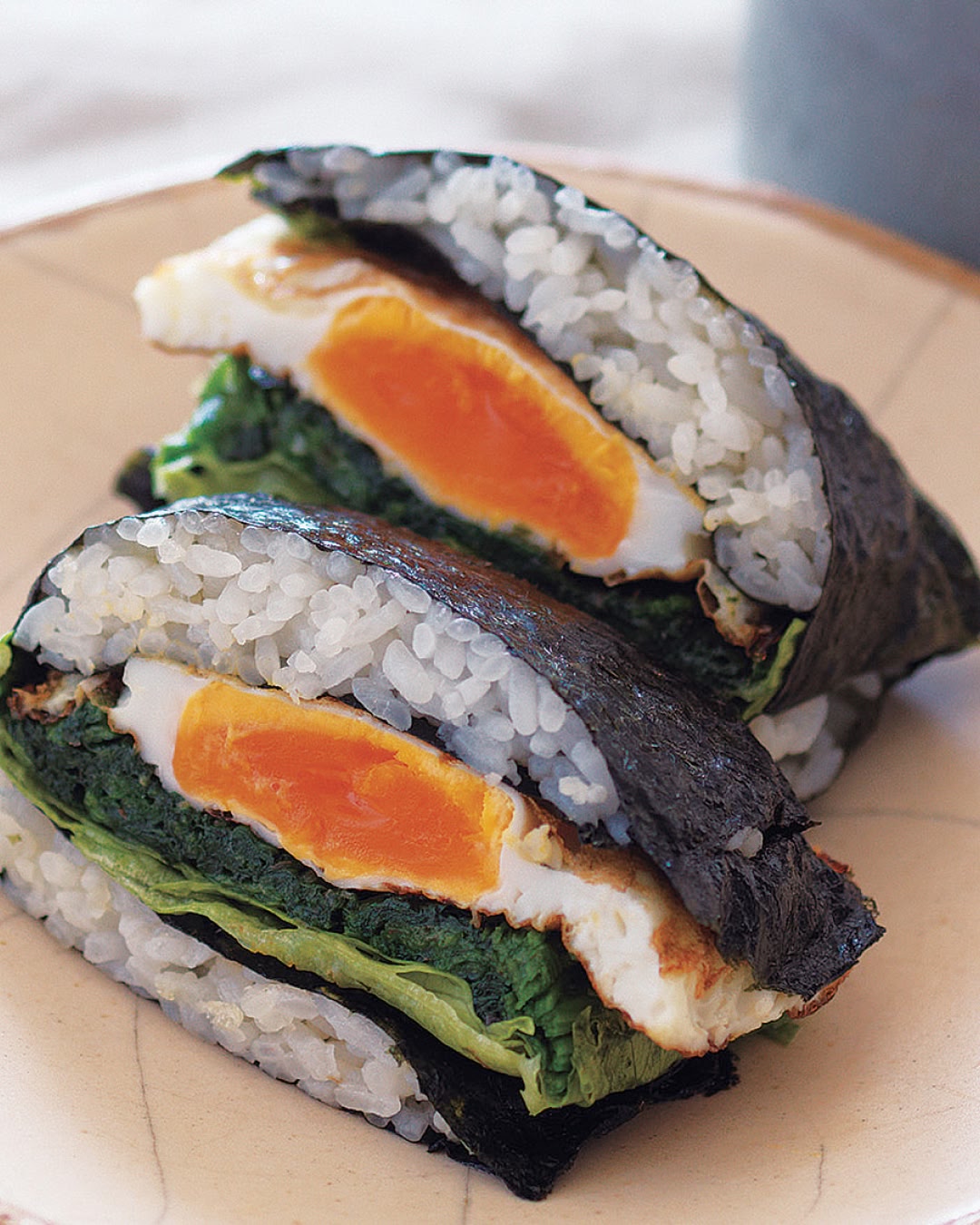
 Dashi Rice and Fried Egg Folded Onigiri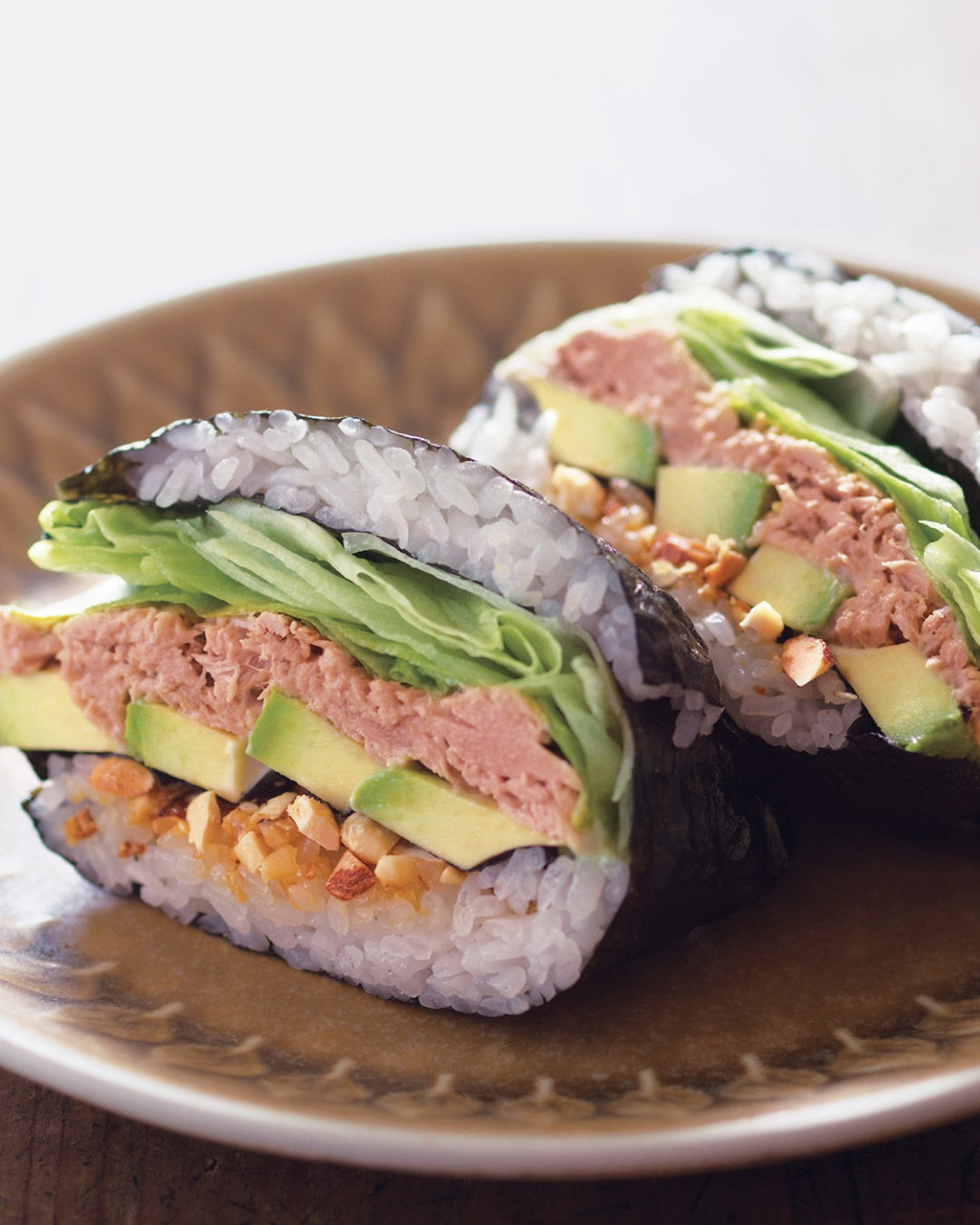
 Tuna and Nuts Folded Onigiri






Hello everyone.
Today I’d like to share one of the “secrets of Kayanoya.” This may be a little long, but I hope you’ll stay with me.
Why is Kayanoya dashi so delicious? Why does it taste different from other dashi?
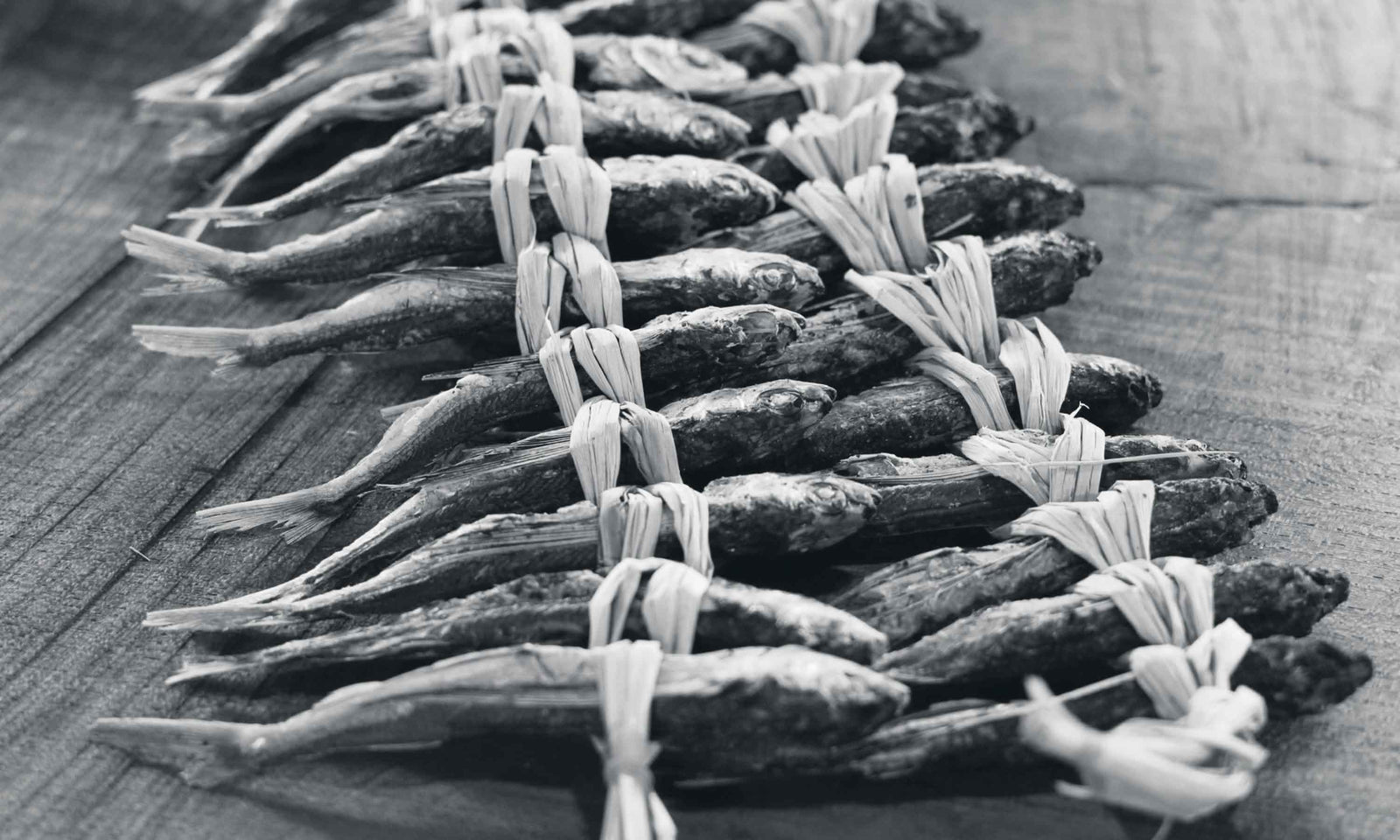
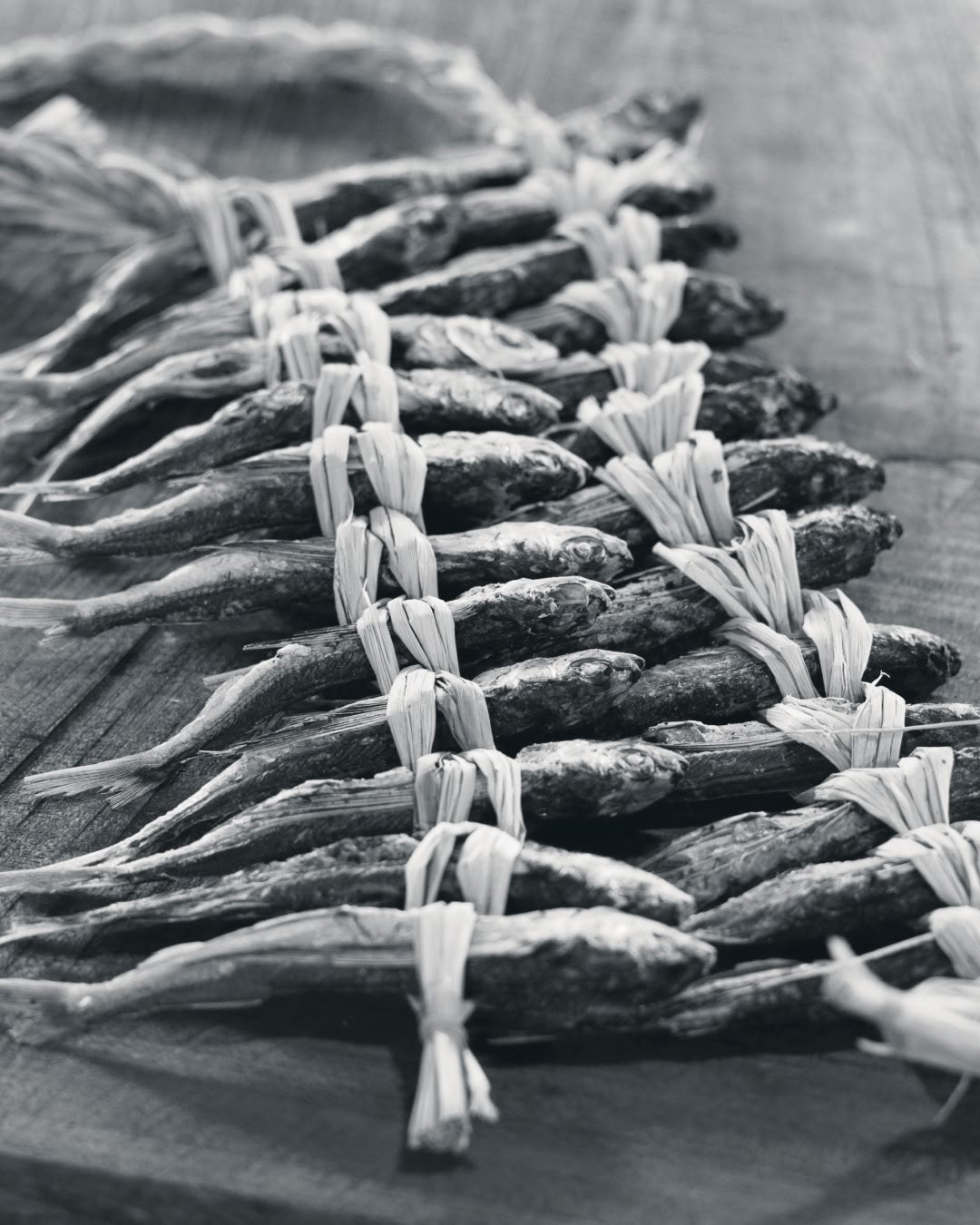
One of the secrets lies in “yaki-ago,” which is roasted and dried flying fish.
“What is ago?” some of you might ask. Others may already know it very well.
Either way, let’s set off together on a small adventure to discover the story of ago.

At Kayanoya, we have a strong desire to share the rich food culture of Kyushu.

 *From top to bottom: kaku-tobi, maru-tobi, and ko-tobi. Ko-tobi is a smaller type of flying fish that is low in fat and ideal for making dashi.
If you happen to have a bag of Kayanoya Original Dashi nearby, please turn it over and look at the ingredients list. Do you see the words “roasted flying fish”?
Not every dashi contains it, but many of Kayanoya’s dashi—including Kayanoya Original Dashi Stock Powder—feature roasted flying fish, known in Japan as yaki-ago. This ingredient is an essential element when talking about the distinctive flavor of Kayanoya dashi.
So first, let’s start with a simple question: What exactly is “ago”?
Before I go any further, let me introduce myself. As with the previous article, I’m your writer, Tome Fukurokoji.
“Ago” is the regional name for flying fish, commonly caught in Kyushu, especially around Nagasaki and Fukuoka. In Japanese, ago also means “jaw.”
There’s a saying in Japan that your jaw drops when you eat something truly delicious. Some say the name ago comes from this expression—food so delicious that your jaw drops. Perhaps it simply reflects just how good it tastes.


The peak season for flying fish fishing begins in late August.
“Fishes of Southern and Western Japan” (commonly known as Glover Atlas), preserved in the Nagasaki University Digital Collection, was compiled by Tomisaburo Kuraba—a businessman and fisheries scholar active in Nagasaki from the Meiji era through the early Showa period. (He was the son of Thomas Glover, who built the famous Glover House in Nagasaki.)
The illustration of flying fish in the atlas, painted by Shisei Oda, is particularly beautiful. The collection is available online and open to the public, so please take a look if you have the chance.
Scientifically, the genus name is Cypselurus, and the species name is agoo. There is even a theory that Philipp Franz von Siebold incorporated the local name “ago” when assigning the scientific name.
Flying fish belong to the same order (Beloniformes) as saury and halfbeaks. They are migratory fish widely distributed from subtropical to temperate seas. Each year they ride the Kuroshio Current northward from southern waters to Japan to spawn. The peak fishing season lasts for about a month, from late August to around October.


The flying fish spreads its long pectoral fins like wings and glides above the sea.

 *The ship’s hold filled with flying fish—so many that it almost looks like the boat might sink from the catch.
As their name suggests, flying fish actually glide above the ocean.
They spread their long pectoral fins like wings and can travel 700–900 feet in a single glide at speeds exceeding 30 miles per hour—quite astonishing.
In fact, there’s even a Guinness World Record for flying fish, with a recorded glide time of 45 seconds.
Among these bird-like fish of the sea, those with firm flesh and low fat—an athletic build, so to speak—are said to produce the best dashi.
Speaking of flying fish, this reminds me of Hironoshin Furuhashi, the legendary Japanese swimmer. At the 1949 U.S. National Championships in Los Angeles, he set world records in four events, including relays, and was nicknamed “The Flying Fish of Fuji-yama.”
But that is a story from long ago.