






 Colorful Mushroom and Carrot Pilaf
 Dashi Rice and Fried Egg Folded Onigiri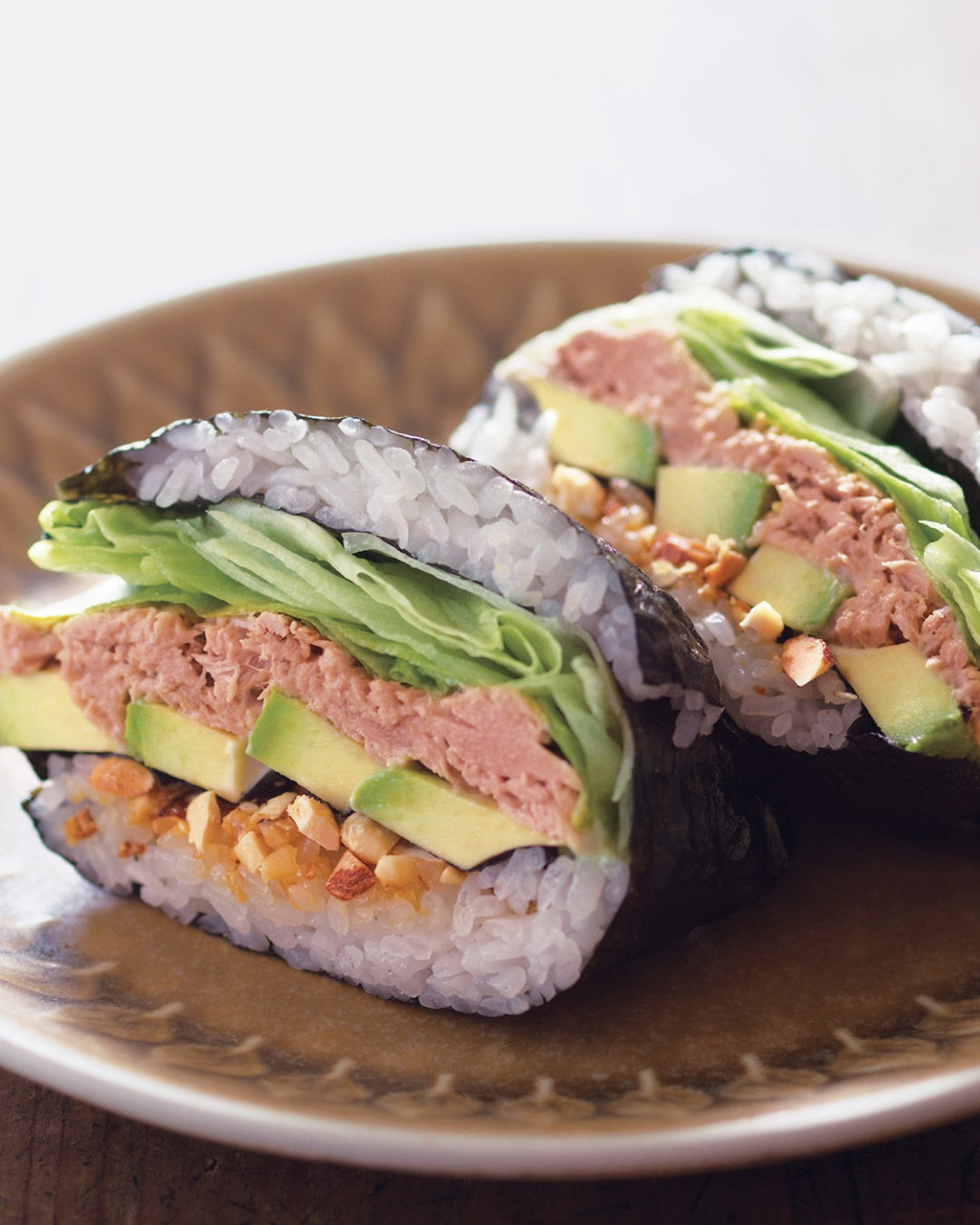
 Tuna and Nuts Folded Onigiri


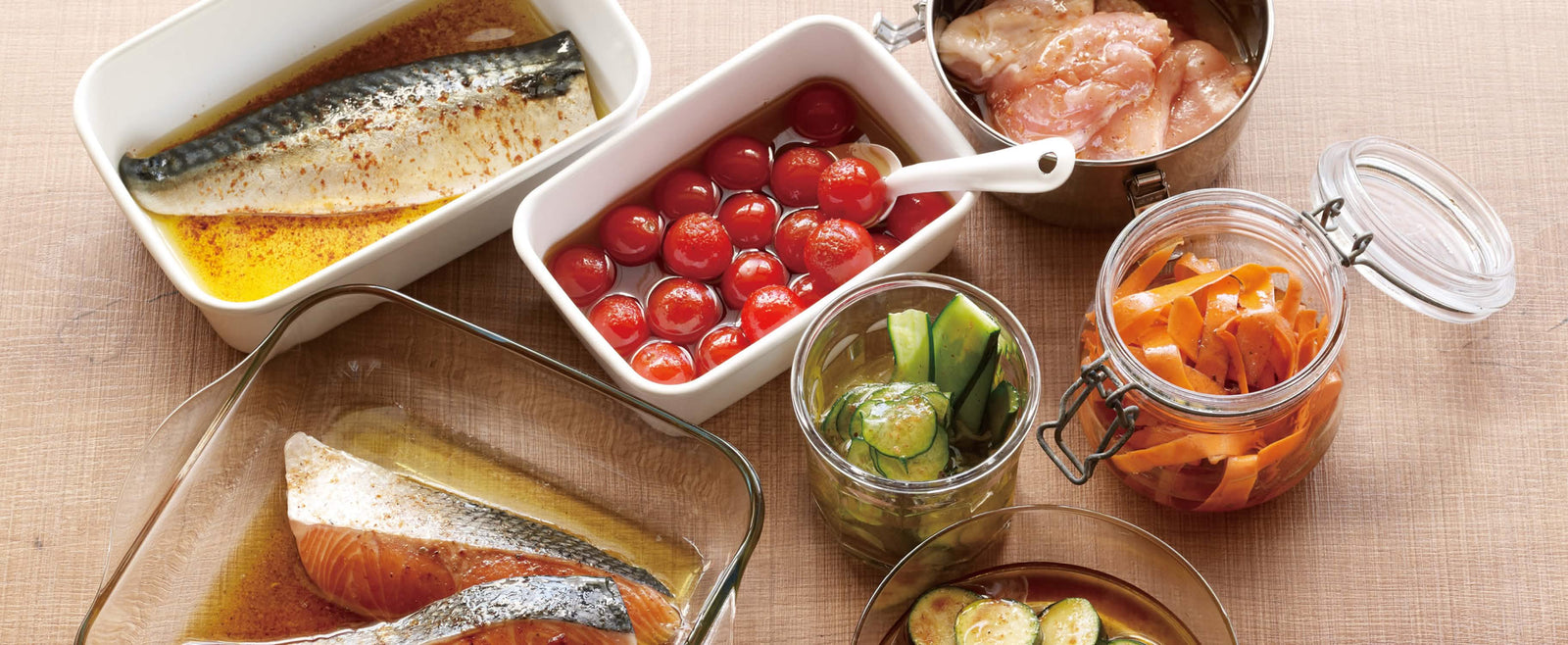

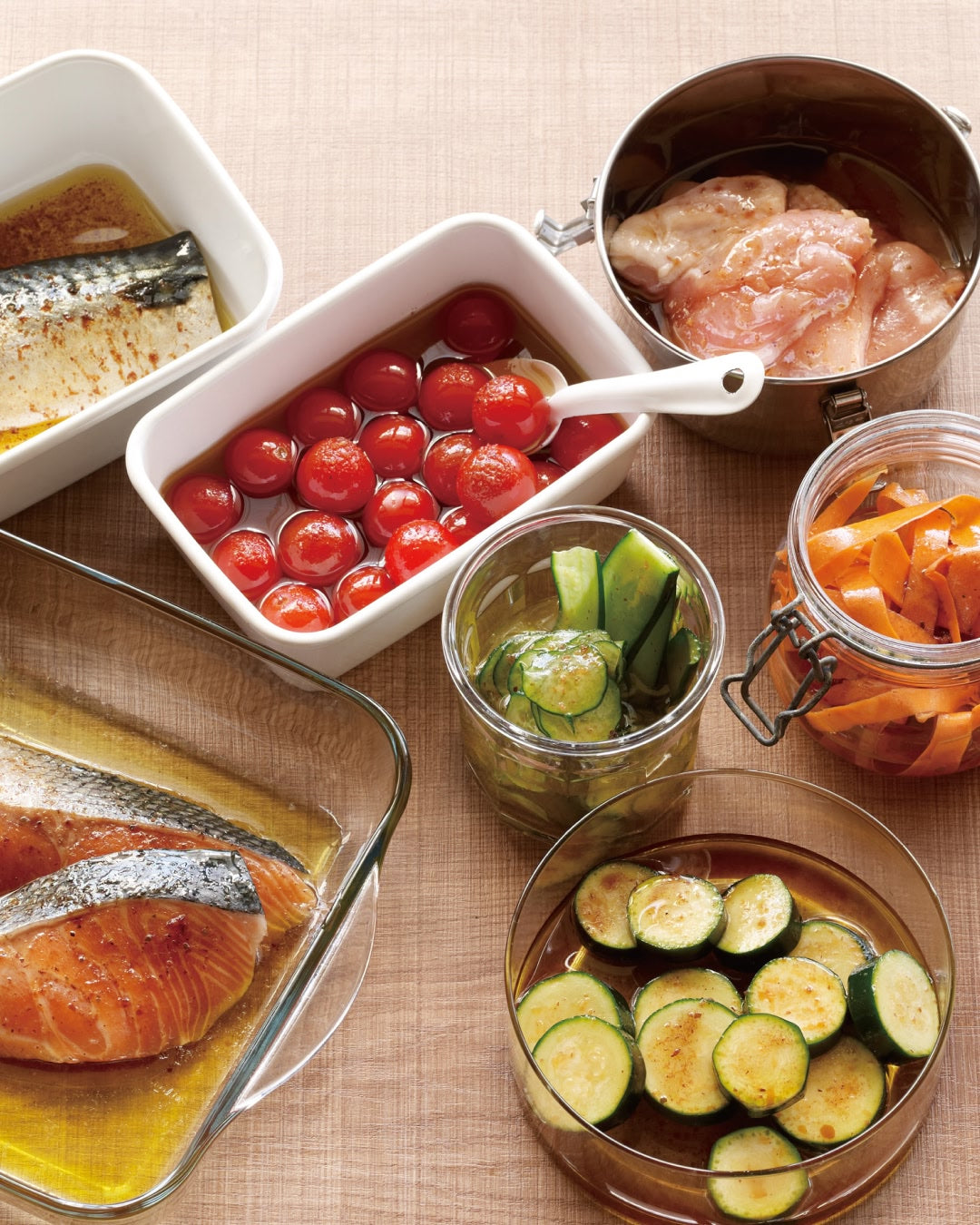

Combine Kayanoya Dashi with olive oil, and you get a simple yet incredibly versatile “dashi oil.” This recipe was created by Kayanoya’s culinary specialist, Aika Mori.
Discover a New Taste
Kayanoya Dashi × Oil


Oil-packed preparations are a great way to keep ingredients moist and full of flavor. What if that oil were enhanced with dashi? With that idea, we created “dashi oil.”
Vegetables, meat, fish—many kinds of ingredients can be marinated and then used for cooking. In this report, we explore a new way to enjoy Kayanoya dashi: “dashi oil marination.”
A Gentle Aroma and Deep Umami
How to Make Dashi Oil

First, let’s make “dashi oil.” We use olive oil for this recipe, as it is less susceptible to oxidation. We tear open a dashi pack and slowly cook the contents in oil until they become crisp.
“Dashi oil” can be used not only for oil-packed preparations, but also for stir-fries, salad dressings, and as a seasoning base for ingredients.
How to Make Dashi Oil
Ingredients
- 1 cup (about 250 ml) olive oil
- 1 packet Kayanoya Original Dashi Stock Powder
Instructions
1. Pour the olive oil into a saucepan. Open the Kayanoya Dashi packet and add its contents to the oil.

2. Heat until the oil reaches 340–360°F (about 170–180°C).
3. When small bubbles begin to gently rise, continue heating while stirring until the Kayanoya Dashi becomes crisp.


4. Once the aroma becomes fragrant and the oil has deepened in color, it is done.
5. Let it cool to room temperature, then store it in the refrigerator. Use within 5 days.
Simply Marinate to Enhance Flavor
Easy Dashi Oil Marination


Place each ingredient in a sealed container or bag and simply marinate it in dashi oil.
Refrigerate for about 2–3 days to let the flavors meld, adjusting the marination time depending on the type, condition, and cooking method of the ingredients.
For reference, about 2/3 cup (150 ml) of dashi oil was used to marinate about 15 cherry tomatoes in a tray. If using a sealed bag, a smaller amount of oil will be sufficient to coat the ingredients.


After removing the stems, the stem-end of each tomato was pierced with a toothpick to help the oil penetrate.
Quick and Easy Recipes Using Dashi Oil


Now, how should we enjoy ingredients marinated in dashi oil?
Vegetables that can be eaten raw can be served as salads or marinated dishes.
Since dashi oil also works as a seasoning base, you can grill the marinated vegetables as they are, or use them in sandwiches and pasta.
Endless quick recipe ideas come to mind, with no need for additional seasoning.
Simply Marinate in Dashi Oil
Thinly sliced vegetables can be ready to eat as a salad or marinade after just half a day in dashi oil. Think of it like a light pickle—prepare it at night and enjoy it as part of breakfast the next morning.
Here, we used cucumbers and carrots. With a generous squeeze of lemon, the oil doubles as a dressing.


Grill the Marinated Ingredients
You can easily sauté without adding extra oil. Even chicken breast, which tends to dry out, turns moist and tender when marinated in dashi oil for about two days. The zucchini also became wonderfully sweet and was a big hit.

Use It as an Ingredient, Oil and All
Since the dashi is already infused into the oil, it seasons the dish on its own.
Here, we sautéed flaked raw mackerel—made tender and easy to break apart after marinating in the oil—with cherry tomatoes, and used it as a pasta topping.
The gentle saltiness already absorbed into the ingredients means no additional seasoning is needed. It also works well in fried rice, soups, and many other dishes.

Even leftover ingredients or those you want to feature as the main dish become deliciously flavorful with dashi oil.
What kind of flavor will emerge? That’s the surprise you’ll enjoy after marinating. The possibilities only keep expanding.
We hope you’ll discover the ease and versatility of “dashi oil marination” for yourself.